Educational Field Experiences in Kenya
Where Kenya becomes the classroom.
Take learning beyond the classroom through wildlife, nature, culture, conservation, adventure, and real experiences in the places where they happen.
From a one day school trip to a multi day student expedition, we design educational journeys around your group’s age, learning goals, interests, available time and budget.
- ✔Flexible programmes
- ✔ Experienced local guides
- ✔ Group planning
- ✔ Age appropriate activities
- ✓ Practical support
A Note for Teachers, Parents & Group Leaders
The activities shown on this page are examples of what
may be included in an educational programme.
Availability can vary by destination, season, provider, activity schedule, and group requirements.
We plan activities in advance and coordinate with the relevant local providers to build a programme suitable for your group.
Age, fitness, access requirements, and the nature of each activity are considered when planning the itinerary.
Featured Educational Experiences
Start with a real experience
These sample journeys show some of the ways learning can happen in Kenya.
Each itinerary can be adapted around your group’s age, interests, learning objectives, available time, and the activities available during your visit.
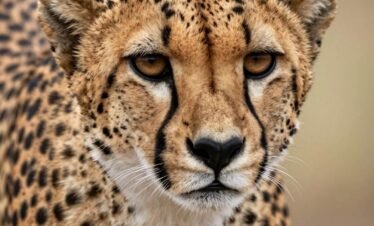
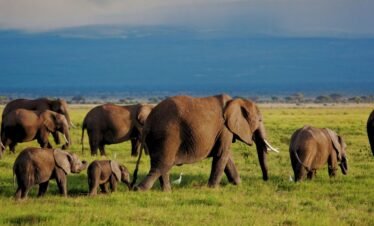
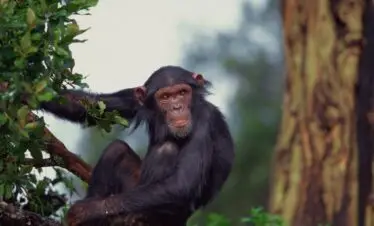
WHAT COULD STUDENTS ACTUALLY DO?
Learning in the Field Options for Students Experiences
Learning in the Field
A field experience should give students something they cannot get from a textbook alone.
Programmes can range from a single day outside the classroom to multi-day expeditions and tailor-made study programmes. We shape the pace, activities, and depth of the experience around your group.
Depending on the programme, students may have opportunities to:
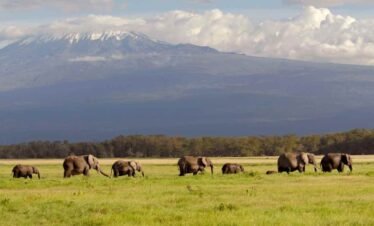
Track Wildlife
Learn how guides and conservation teams read tracks, signs and animal behaviour. Depending on the destination and programme, older students may also be able to observe specialist monitoring techniques.
Explore Ecosystems on Foot
Walk through forests, savannahs, wetlands, or other natural areas while looking at plants, insects, birds, soils, water, and the relationships between species.
Follow a Conservation Story
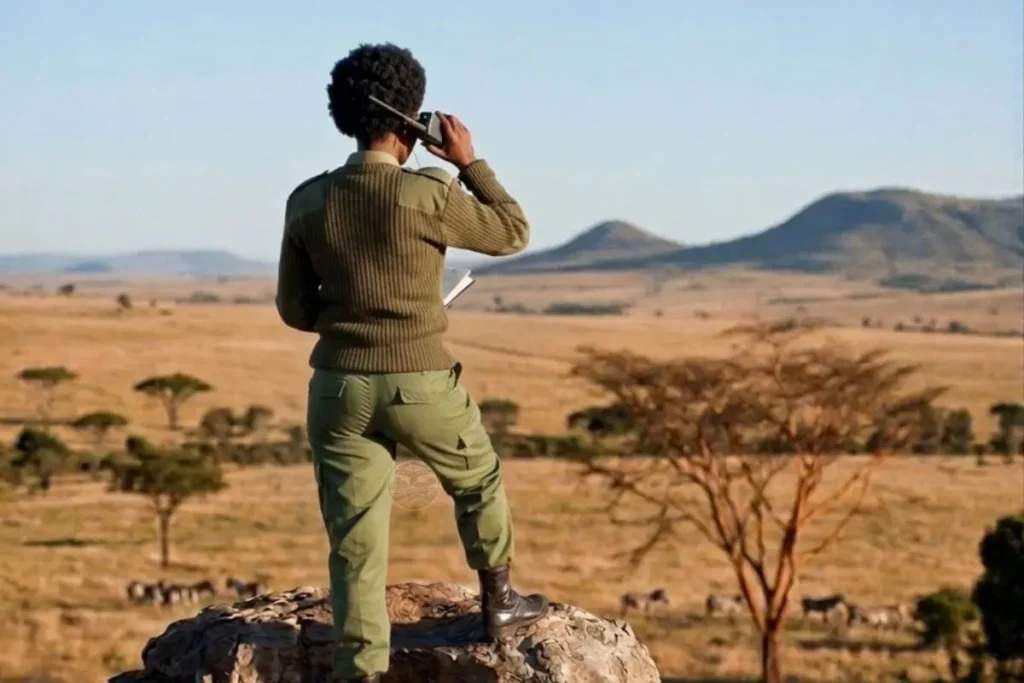
Visit places where wildlife protection happens and learn about rangers, monitoring, endangered species, habitat management, and the challenges of protecting wildlife.
Explore Mountains and Landscapes
Study volcanic formations, mountain ecosystems, forests, rivers, water systems, and changing landscapes through activities such as hiking, walking, and field observation.
Discover Marine and Coastal Ecosystems
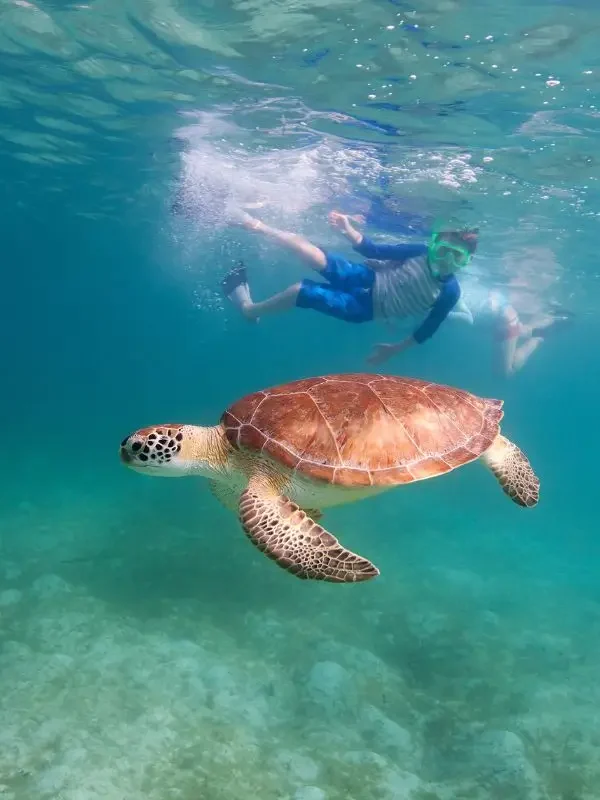
Depending on the destination, students can explore mangroves, beaches, marine habitats, and coastal communities through activities such as guided walks, paddling, marine education, and other locally available experiences.
Learn From Local Knowledge
Meet people who know the landscape through lived experience and learn about food, livelihoods, crafts, history, environmental knowledge, and relationships with wildlife and natural resources.
g
Get Active
Hike, cycle, paddle, climb, walk, or take part in outdoor challenges that turn physical activity into part of the learning experience.
Learn Through Creative Activities
Use photography, drawing, storytelling, music, cooking, filmmaking, or other creative activities to explore Kenya from a different perspective.
Ask Questions That Matter
Meet guides, conservation practitioners, community members, researchers, artists, farmers, or other people whose work connects them to the place you are visiting.
Not every activity is suitable for every group. We select and coordinate activities according to age, ability, learning objectives, destination, timing, and availability.
CHOOSE WHAT YOU WANT TO EXPLORE
What Could Your Group Learn About?
You do not have to build the entire programme around one subject.
A journey can combine several themes depending on what your group wants to explore.
Wildlife & Ecology
Animal behaviour, biodiversity, habitats, food webs, species identification, and wildlife monitoring.
Conservation
Wildlife protection, endangered species, habitat management, human wildlife coexistence, and the people working to protect Kenya’s natural heritage.
Climate & Environment
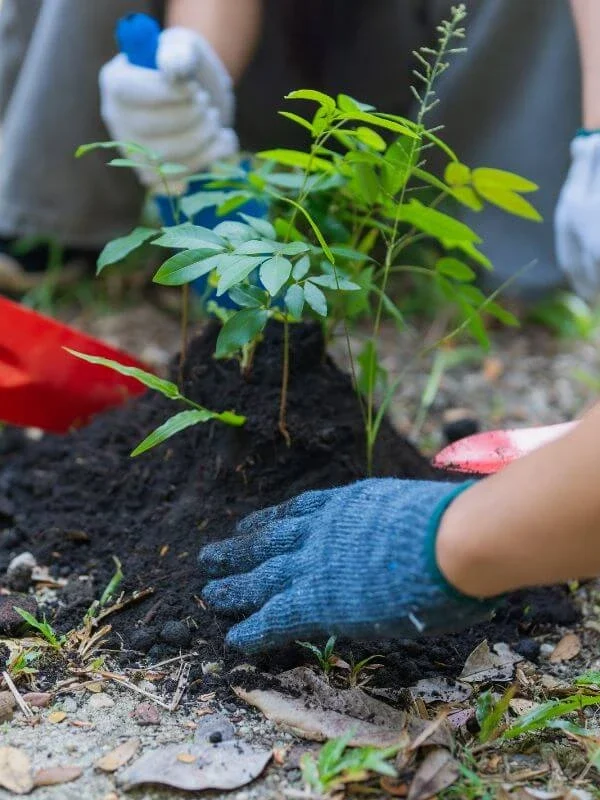
Forests, water, land use, climate pressures, restoration, and adaptation.
Geography & Geology
Rift Valley landscapes, volcanic formations, mountains, rivers, coastlines, and changing ecosystems.
Culture & Society
History, traditions, food, livelihoods, local knowledge, language, music, art, and everyday life.
Community & Development
How communities interact with their environments, manage resources, develop livelihoods, and respond to changing conditions.
Adventure & Outdoor Learning
Hiking, cycling, paddling, walking, outdoor challenges, and other activities that develop confidence, teamwork, and practical skills.
Photography, Film & Storytelling
Use Kenya as a setting for observation, creative work, documentary projects, and visual storytelling.
Leadership & Teamwork
Outdoor challenges, group activities, and shared experiences that encourage communication, decision making, and collaboration.
You can combine several of these into one journey.
FROM YOUNG LEARNERS TO INDEPENDENT STUDENTS
The Experience Changes With the Learner
A four-year-old and a university student should not experience Kenya in the same way.
Schools
Younger learners can explore nature, wildlife, culture, and the outdoors through age-appropriate activities, observation, games, storytelling, and guided experiences.
Secondary School Students
Older students can take on more detailed field observation, conservation learning, outdoor challenges, cultural exploration, and subject focused activities.
Universities & Colleges
Programmes can go deeper into field research, conservation systems, geography, sustainability, community development, culture, leadership, and other academic interests.
International Study Groups
Combine academic learning with the experience of living, travelling, and learning in Kenya.
Gap Year & Young Adult Groups
Bring together adventure, independent exploration, culture, conservation, outdoor learning, and new experiences.
Families
Parents can turn a family holiday into an opportunity for children to discover wildlife, nature, culture, and Kenya while still having plenty of time to enjoy being on holiday.
Independent Learners
You do not need to belong to a school or university to travel with a learning purpose.
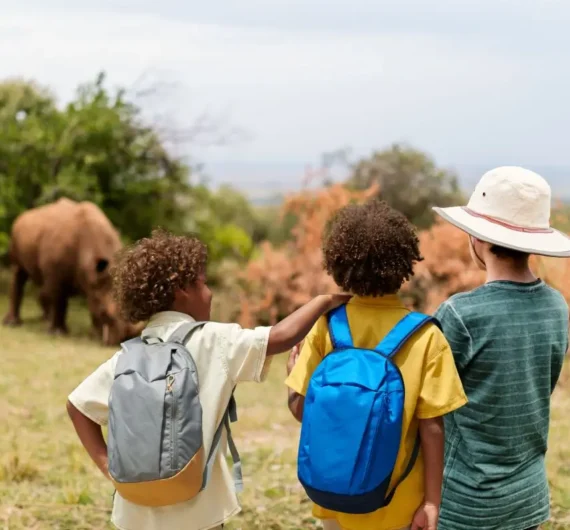
The Trip Does Not Have To Look Like School
Learn. Explore. Have Fun.
Nobody wants to spend a week sitting in a classroom somewhere else.
Learning might look like an early morning game drive, a forest walk, a mountain hike, a conversation with a local guide, a cooking session, a wildlife tracking experience, or an evening discussing everything the group discovered that day.
There should also be room for swimming, laughing, taking photographs, trying something completely new, and simply enjoying being in Kenya.
The experience is part of the learning.
Build A Journey Around Your Group
One Group. Your Own Programme.
We can shape the experience around:
|
|
For example, a school studying ecosystems might build a journey around wildlife, forests, water, and conservation.
A university sustainability group might explore community conservation, land use, livelihoods, and climate resilience.
Tell us what you want the group to learn and experience. We will help work out what is possible.
Care, Safety, & Individual Needs
We Plan for the Child, Not Just the Trip
When children and young people travel with us, their care is part of the planning.
Before the journey, we gather all the information needed to plan transport, accommodation, meals, activities, and the daily programme.
This includes considerations such as:
Medical needs, Dietary requirements, allergies, and personal care
We discuss requirements with the parent, school, or group organizer in advance so the appropriate arrangements can be made.
Age and ability
Activities, pace, and daily schedules are selected with the ages, abilities, and needs of the group in mind.
Accommodation and sleeping arrangements
We consider the age and needs of participants when arranging accommodation.
Communication
Our team coordinates the programme and remains involved throughout the journey.
Good planning starts before the group leaves home.
The better we understand your group beforehand, the better we can plan an experience in which students can participate, explore, and enjoy Kenya with confidence.
Experience Kenya With Respect
Students meet real people, visit real places, and experience living ecosystems.
We therefore plan experiences that respect local communities, wildlife, and conservation areas. We work with the people and organizations involved and avoid turning people’s lives or conservation work into performances for visitors.
The goal is to help students understand Kenya, not simply pass through it.
Ready to Take Learning Outside?
Let's Build Something Your Students Will Remember
Tell us about your group, what you want students to explore, how much time you have, and when you would like to travel.
We’ll work with you to build the programme.
We will also coordinate details including, transport, accommodation, guides, activities, meals, parks, conservancy arrangements, scheduling, and pre-trip information.
Educational Expeditions
Frequently Asked Questions
How do you keep students safe during the trip?
Student safety is part of the programme from the beginning.
Before travel, we review the group’s age, numbers, activities, accommodation, transport arrangements, individual needs, and any known risks. We coordinate with the relevant guides, accommodation providers, and activity operators to make sure the programme is appropriate for the group.
During the trip, our team coordinates the itinerary, transport, activities, and local providers, and remains involved throughout the programme. We also follow the safety requirements of the parks, conservancies, and activity providers we use.
Teachers, parents, and group leaders should not have to spend the trip chasing transport providers, meals, or activity operators. We handle the travel coordination around the group.
What happens if a student has a medical condition or takes medication?
Tell us before the trip.
We collect information about relevant medical conditions, allergies, medication, and other care needs during the planning process. We then use that information when arranging the itinerary, accommodation, meals, activities, and day-to-day programme.
Where medication or other medical care requires a specific procedure, we make arrangements with the parent, school or authorized responsible adult before departure and communicate the agreed plan to the people who need to know.
We do not wait until the group arrives in Kenya to discover that a student needs special care.
Can you cater for allergies and dietary restrictions?
Yes. We ask about dietary requirements before the trip and require you communicate about them in advance.
This can include food allergies, intolerances, vegetarian or vegan diets, religious dietary requirements ,and other needs that the group tells us about.
We coordinate with the relevant accommodation and meal providers, so they know what has been requested before the group arrives.
The earlier we know about a requirement, the better we can plan for it.
We operate in regions with access to reputable medical facilities and maintain emergency response protocols. Guides are trained in first aid, and we advise institutions on travel insurance and medical coverage requirements before travel.
Are the activities suitable for every age and ability?
No single activity suits every student, so we do not treat every group the same.
We consider age, fitness, mobility, experience, attention span, and the nature of the activity when building the programme.
A younger group may have more guided observation, nature walks, wildlife experiences, and hands-on activities. Older students may be able to take on longer hikes, fieldwork, outdoor challenges, or more specialised experiences.
Activities also depend on the learning theme, destination, season, provider requirements, and availability.
We recommend the activities that make sense for your group rather than simply filling an itinerary with everything available.
What if a student cannot take part in one of the planned activities?
We plan with alternatives in mind.
A student may have a medical, mobility, fitness, dietary, or other individual requirement that means they cannot take part in a particular activity.
We discuss these needs before the trip and, where possible, identify an appropriate alternative that allows the student to remain part of the experience.
The aim is for every student to have a meaningful experience, even when they cannot do everything the rest of the group does.
What happens if a student becomes unwell or there is an emergency?
We have a clear response plan for unexpected situations.
The response depends on the circumstances, but our team coordinates with the relevant accommodation, transport, activity provider, and appropriate emergency or medical services when needed.
Before travel, we also review practical information such as emergency contacts, individual medical needs, itinerary details, and the location of the group.
We plan for the unexpected so the group is not left trying to work out what to do in the middle of a problem.
Who looks after the students during the journey?
Student care is a shared responsibility, and we define the arrangements before the trip.
Our team manages the travel programme, guides, transport, activities, accommodation coordination, and other operational details. Teachers, parents or designated group leaders provide the supervision required by their school, organization or family arrangement.
We agree these roles before departure, so everyone knows who is responsible for what.
Teachers should be able to focus on their students rather than managing the logistics of the trip.
How will parents and teachers know what to expect?
We share the practical information needed to prepare the group before departure.
This includes the itinerary, activities, accommodation, transport arrangements, what students should bring, relevant activity requirements, and any agreed individual considerations.
We also encourage parents, schools and group organizers to tell us about anything that could affect a student’s participation or wellbeing.
Good communication before the trip helps us make better arrangements during it.
Will the trip feel like school the whole time?
No.
The learning is built into the experience.
Students might be out on safari, exploring a forest, hiking a mountain, trying a new outdoor activity, meeting local hosts, learning about Kenyan food, or simply having time to enjoy being somewhere new.
We want them to learn, but we also want them to look forward to the trip, participate fully and come home with stories to tell.