Quick Facts
- Destination: Kenya (Nairobi • Ol Pejeta Conservancy • Ngare Ndare Forest Reserve)
- Duration: 11 Days
- Start / End: Nairobi, Kenya
- Accommodation Style: Student-friendly eco camps and wilderness lodges
- Focus of the Journey: Wildlife Conservation • Cultural Exchange • Service Learning • Leadership Development
- Trip Pace: Active, immersive, and balanced with reflection time
- Ideal Age Group: Students aged approximately 8–22, with some activities in Ol Pejeta having an age limit of 12. (fully customizable tour)
- This student conservation safari is offered at specific times of the year. Contact us to plan on available dates.
Explore Kenya. Learn through adventure. Grow through experience.
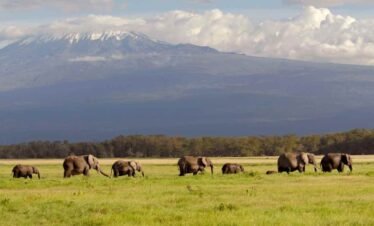
Kenya offers one of the most inspiring living classrooms on Earth. Here, conservation is not an abstract concept. It is a daily reality shared between wildlife, communities, and the landscapes that sustain them.
This student conservation safari is designed to immerse young travelers in that reality.
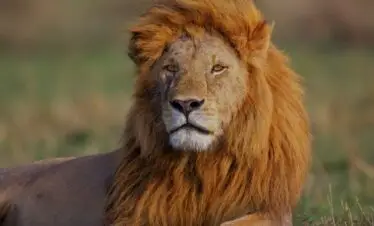
Students may begin their field experience in Nairobi, a city where lions roam within sight of skyscrapers. It is a powerful introduction to the delicate balance between urban growth and wildlife conservation.
From there, the journey unfolds northward to Ol Pejeta Conservancy, a global leader in wildlife protection and habitat restoration. Students may engage with real conservation programs, learn how scientists monitor wildlife populations, and discover the challenges of protecting endangered species.
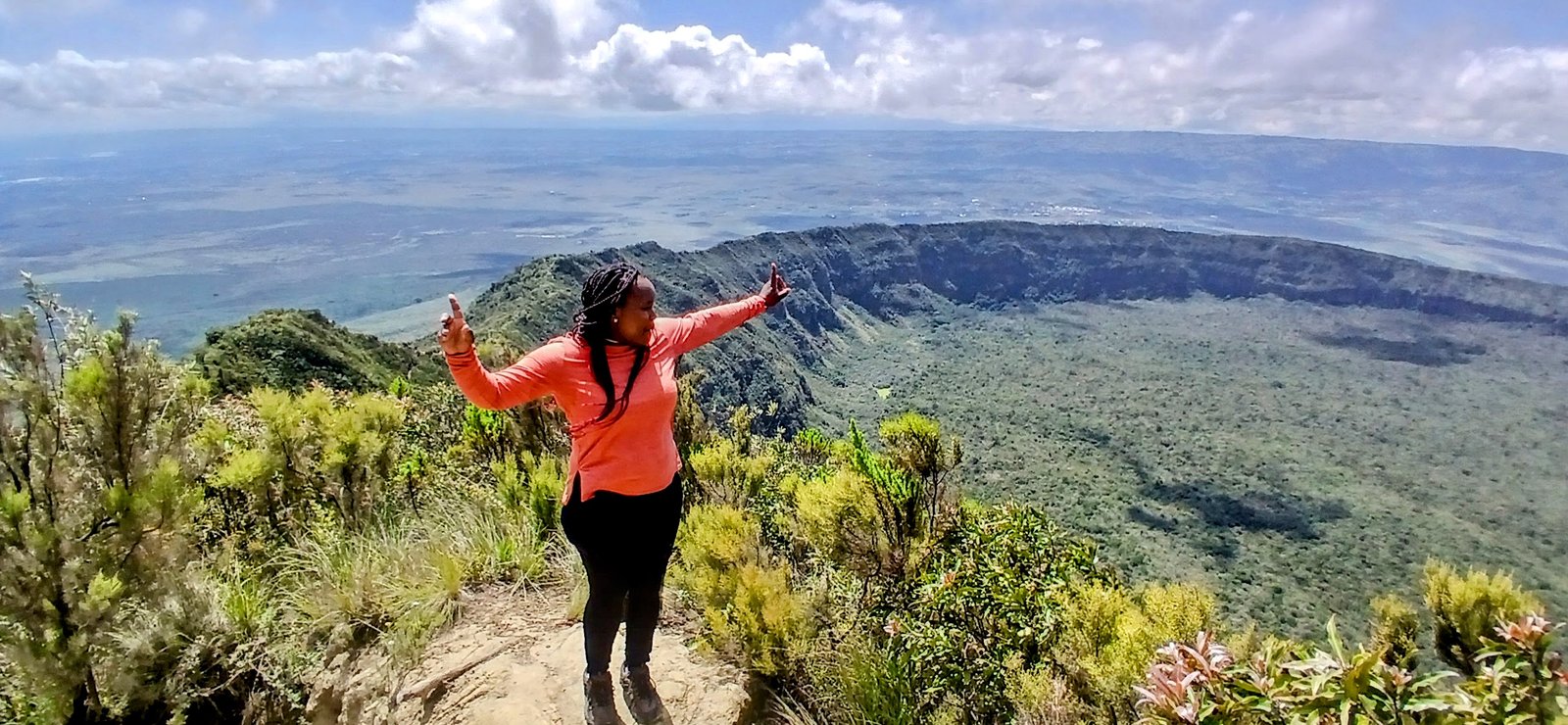
The adventure continues into the lush Ngare Ndare Forest Reserve, where towering trees, cool forest pools, and suspended canopy bridges create space for exploration and reflection.
Throughout the journey, conservation learning blends naturally with adventure, creativity, and connection. Campfire evenings, sports with local youth, and shared storytelling create a powerful sense of belonging.
By the end of this student conservation safari, students will return home with knowledge and purpose.
Why This Journey Matters: The Impact of the Student Conservation Safari
This student conservation journey is more than a trip through Kenya’s landscapes; it is a purposeful contribution to the front lines of global conservation. By participating, students move from being observers to being active stakeholders in the survival of critical ecosystems.
Tangible Conservation Impact
- Direct Funding: Approximately 90% of the funding for the Giraffe Centre’s education and protection programs comes from visitor fees and onsite purchases.
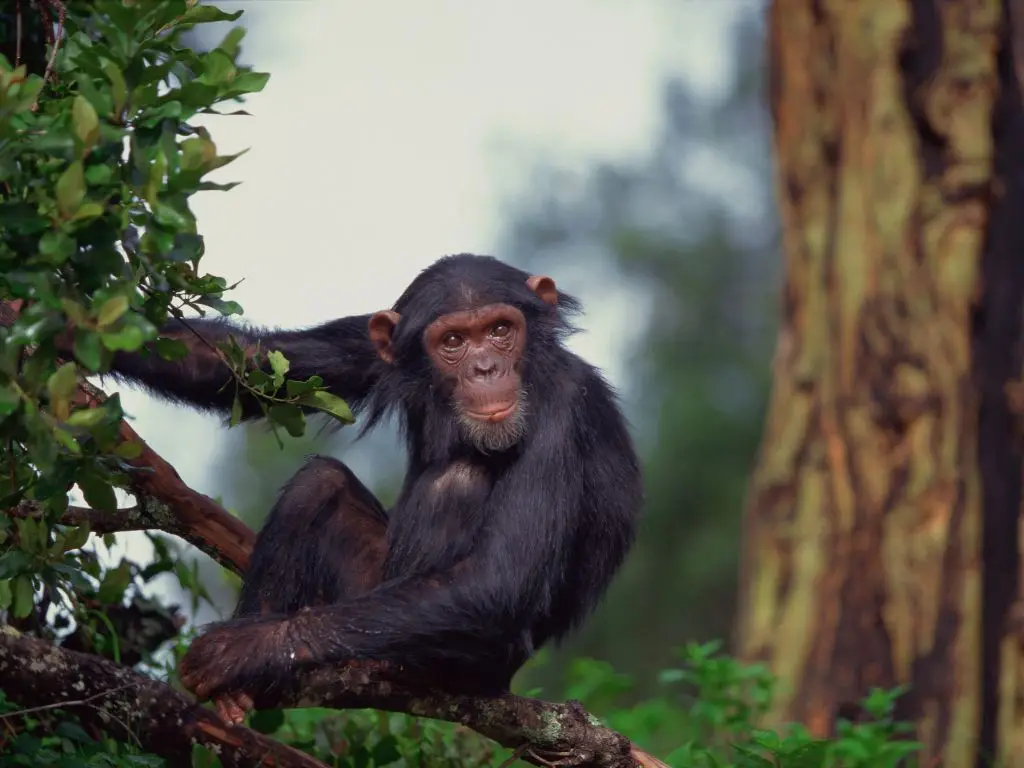
- Species Survival: Participation in the ‘Kazi’ (work) program at Ol Pejeta directly supports the caregivers of the world’s last northern white rhinos and the rehabilitation of orphaned chimpanzees.
- Habitat Protection: Fees contribute to the maintenance of the Ngare Ndare forest corridor, a 3.5 km vital link that elephants have used for centuries to migrate safely between northern rangelands and Mount Kenya.
Student Growth & Transformation
- Fieldwork Skills: Students gain invaluable experience in ecological monitoring, predator tracking, and rangeland management, learning how science is applied in the real world.
- Leadership Development: Through reflection circles and team-building challenges, students build the confidence and empathy required to be “ambassadors of hope” for the natural world.
- Cultural Intelligence: By walking with Maasai herders and engaging in student-to-student exchanges, participants develop a nuanced understanding of how human livelihoods and wildlife protection must coexist.
Ethical & Responsible Travel
- Non-Exploitative Engagement: All wildlife interactions, from the David Sheldrick Wildlife Trust to the Giraffe Centre, are strictly regulated and guided by veterinary science and animal welfare standards.
- Community-Led Initiatives: We prioritize partnerships with conservancies that use livestock and tourism as tools to improve local livelihoods and manage rangelands effectively.
Student Conservation Safari Accommodation Highlights
Accommodation throughout the student conservation journey reflects the spirit of immersive learning.
Students stay in comfortable eco-lodges and wilderness camps designed to bring them closer to nature.
Many properties operate with strong sustainability principles, including solar power, water conservation systems, and community employment programs.
Camp environments encourage collaboration. Students often share responsibilities, participate in group activities, and experience the rhythm of life outdoors.
It is part adventure camp, part conservation classroom.
Who This Safari Is For
- Junior Secondary/high school, and university students passionate about wildlife, nature, and service
- Youth groups or educational institutions seeking immersive, purpose-driven travel
- Young travelers ready for culture, community engagement, and meaningful adventure
- Future leaders keen to combine fun, learning and global citizenship
- Families on safari in Kenya that want to introduce their children to conservation and leadership
What to Bring on the Student Conservation Safari
- Lightweight long-sleeve shirts & trousers for bush activities
- Comfortable T-shirts, shorts for camp
- Walking/hiking shoes + sandals
- Swimwear & towel (forest pools, camp pool time)
- Sun hat, sunglasses, high-SPF sunscreen
- Insect repellent
- Reusable water bottle (eco-friendly)
- Daypack/backpack for daily outings
- Rain jacket or windbreaker for cooler evenings
- Camera or phone + spare battery/memory
- Notebook & pen for field reflections
- Sports shoes/kit for matches with local youth
- Personal medications, toiletries, small first-aid kit
- Travel documents/ID copies + open mindset
What To Expect
- Skyline Safari: Track lions and rhinos in Nairobi National Park against a unique backdrop of city skyscrapers.
- Elephant Rescue: Go behind the scenes at Sheldrick Wildlife Trust to learn the science of orphan rehabilitation.
- Get eye-to-eye with endangered Rothschild’s giraffes to feed them and explore forest trails.
- K9 Anti-Poaching: Train with the elite K9 unit; assist with care and test your skills trying to outpace a tracker dog.
- Rhino Guardianship: Join caregivers in the field to monitor the world’s last northern white rhinos.
- Predator Tracking: Shadow the Ecological Monitoring Unit to learn telemetry and predator identification.
- Livestock & Wildlife: Walk with herders to see how cattle and wildlife coexist to keep the rangelands healthy.
- Chimp Sanctuary: Visit Sweetwaters to learn about the rescue and care of endangered primates.
- Canopy Walk: Face your fears on a 450-meter suspended bridge high above an elephant-frequented swamp.
- Azure Pool Trek: Hike to hidden glacial blue pools and a 30-foot waterfall for a jungle swim.
- Wildlife Corridor: Discover the vital forest bridge that links Mount Kenya to the northern rangelands.
- Reflection Circles: End each day around the campfire to share stories, journal, and process the day's impact.
- Bonding & Play: Engage in high-energy team challenges, talent shows, and friendly football matches with local youth.
- Transformational Growth: Move from being a traveler to an "Ambassador of Hope," gaining leadership skills and a deep understanding of ecological balance.