
There Is No One Right Kenya Safari
Searching for a Kenya safari brings you a list of the famous places, including Maasai Mara, Amboseli, Tsavo, Samburu, Lake Nakuru, and Laikipia. While each has something special to offer, knowing which places are famous doesn’t necessarily tell you which safari is right for you.
A couple celebrating an anniversary may want privacy, beautiful scenery, and time to slow down. A family may care more about shorter transfers, varied activities, and keeping children interested. A wildlife photographer may want flexibility and long days in the field. Another traveler may care most about conservation and want to understand how wildlife, landscapes, and communities connect.
So instead of starting with: Which Park should I visit?
Start with a better question: What do I want my Kenya safari to feel like?
Do you want excitement? Discovery? Adventure? Quiet? Connection? Learning? Luxury? A little of everything?
Once you know that, the rest becomes easier. Your destination, accommodation, activities, transport, and trip length should all support the experiences you want.
This guide will help you work through those decisions without forcing your trip into a standard safari package.
Start Your Kenya Safari Planning With Experience, Not the Destination
Before looking at a map of Kenya, think about what you want from the trip. You may discover that your ideal safari is not a single type at all.

If wildlife is your main priority, start by asking what wildlife matters most to you.
Kenya’s protected areas cover a range of landscapes, from savannah and wetlands to forests, mountains, and dry northern ecosystems. That variety means different destinations can suit different wildlife interests.
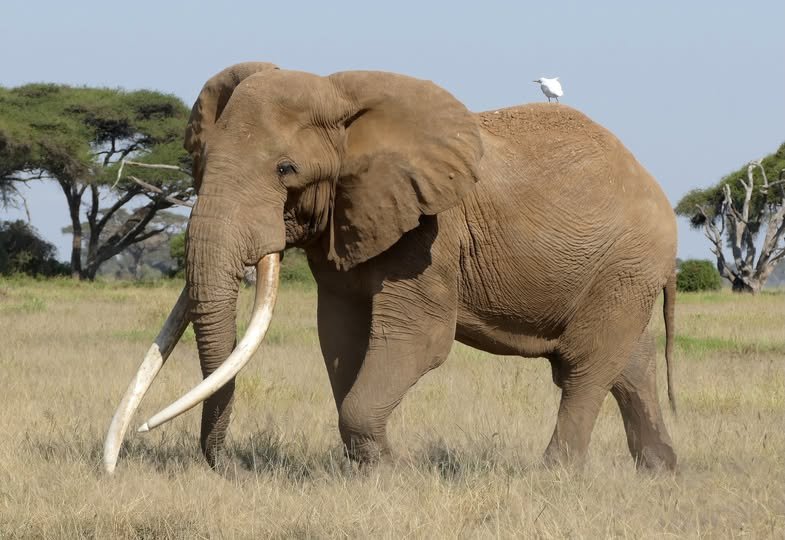
Maybe you are dreaming of big cats, perhaps elephants are the animals you most want to see, or maybe rhinos matter most. Perhaps you care more about birdlife, photography, or simply spending time in a wild landscape.
Ask yourself:
- Is there one animal you would especially love to see?
- Are predators important to you?
- Are elephants or rhinos a priority?
- Do you want a strong birding component?
- Is photography central to the trip?
- Would you rather see many species or spend longer observing a smaller number of animals?
And as you ponder this, remember that wildlife is wild. No honest safari company can promise a particular sighting, because animals move, weather changes, habitats differ, and sometimes luck decides what appears in front of you. The goal is to choose a destination and itinerary that gives you a strong opportunity to experience the wildlife that matters most to you.
If you want a quieter safari, you may prefer smaller camps, private vehicles, fewer destinations, and conservancy-based travel.
That can change the rhythm of the journey, so that instead of trying to see everything, you spend more time watching, listening, and allowing the landscape to unfold.
If you want an active safari, sitting in a vehicle for several hours may not be your idea of adventure. You may want to include walking, hiking, boating, horseback experiences, water activities, photography, cultural experiences, or other outdoor adventures.
These can make a safari feel much more varied.
If conservation matters to you, then you may want more than wildlife viewing. You may want to understand wildlife protection, habitat management, research, community conservation, or the relationship between people and wildlife.
This kind of safari requires a little more thought when choosing the itinerary because a conservation-focused journey should be built around what you will experience rather than simply adding the word “conservation” to a safari description.
If travelling with children, the question is not simply whether Kenya is family-friendly; it is whether your particular itinerary is family-friendly.
Children have different ages, interests, and energy levels, and a safari for a family with a six-year-old may look very different from one for parents travelling with teenagers. You may want to consider:
- Shorter travel days
- Swimming opportunities
- Nature walks
- Educational experiences
- Wildlife viewing
- Time to rest
- Family-friendly accommodation
- Activities away from the vehicle
A good family safari gives children things to discover while still giving adults time to enjoy Kenya.
If you want culture as well as wildlife, then Kenya is not simply a landscape filled with animals. The people, food, traditions, stories, and communities are part of the country too. It also means that a safari can include respectful cultural experiences alongside wildlife, rather than treating culture as something separate from the journey.
If you want to slow down, visit fewer places and stay longer. You also do not need to fill every morning and afternoon with an activity.
Sometimes the best part of a safari is sitting outside your tent after breakfast, watching birds, listening to the sounds around camp, or simply having nowhere else you need to be.
What If You Want All of These Things?
That is normal, and you do not have to choose between wildlife, culture, conservation, adventure, or relaxation. The trick is to combine them thoughtfully.
National Park, Reserve, or Conservancy When Planning a Kenya Safari?
One of the most useful things to understand when planning a Kenya safari is where your safari takes place. Kenya’s wildlife conservation system includes national parks, national reserves, national sanctuaries, and community-led conservancies, with different management arrangements and rules.

What Is a National Park?
National parks are protected areas managed under specific conservation and visitor-management rules. National Parks in Kenya include well-known destinations such as Amboseli, Nairobi National Park, Tsavo, and Hell’s Gate. The Kenya Wildlife Service (KWS) manages parks through formal programmes covering areas like ecological management, tourism, security, and community engagement. It’s also important to note that activities are governed by park rules.
What Is a Conservancy?
Conservancies can be community-led or privately managed areas where wildlife conservation is combined with other compatible land uses. They form part of Kenya’s wider conservation framework, and depending on the conservancy, its rules and your accommodation, you may find opportunities such as:
- Guided walking
- Night drives
- Off-road wildlife viewing where permitted
- Smaller-scale wildlife experiences
- Greater opportunities to learn about conservation and community land use
Please note that not every conservancy offers each of these activities.
So, Which is Better, National Park or Conservancy for a Kenyan Safari?
Neither is automatically better. A national park or reserve may be exactly what you want. A conservancy may suit you better if you value privacy, flexibility, walking, specialist activities, or a closer look at the relationship between wildlife and people.
Our advice: instead of park versus conservancy, choose park or reserve + conservancy. This combination can give you the iconic wildlife experience while also showing you another side of Kenya’s conservation story.
When Is the Best Time for a Kenya Safari?
The answer is simple: Kenya’s parks and reserves offer attractions and activities throughout the year. Different seasons also affect wildlife viewing, weather, and road conditions.
April to June are usually the long-rains period, and some park roads may require four-wheel-drive vehicles, while the generally drier periods are often easier for wildlife viewing.
So instead of asking:
What is the best month to visit Kenya?
ask:
What do I want to experience when I visit Kenya?

If wildlife viewing is your priority, drier conditions can make wildlife easier to spot in many areas because vegetation is less dense and animals may concentrate around available water.
However, this does not mean wildlife disappears during the rains. The landscape can be beautifully green, birdlife can be rewarding, and some travelers prefer the quieter feel of the wetter months.
What About the Great Migration? Should I Consider it When Planning My Safari to Kenya?
The Great Wildebeest Migration is one of Kenya’s most famous wildlife spectacles, but it’s a natural movement of animals, not a scheduled performance. The timing and location change, and when you travel during the broader migration season, there is no guarantee you will witness a dramatic river crossing.
A better approach is to choose the Mara because you want the ecosystem and wildlife experience, with the migration as an important seasonal possibility.
What About Weather? Should I Consider it When Planning My Kenya Safari?
Weather can affect:
- Road conditions
- Travel times
- Landscape
- Wildlife visibility
- Photography
- Activities
- Comfort
That is one reason to consider the season before building the itinerary.
What About Crowds and Availability?
Popular travel periods can mean higher demand for accommodation and transport, and if your dates are fixed, planning earlier can give you more options.
Ultimately, there is no single best month for every traveler, but there is a best time for the experience you want.
How Many Days Do You Need for a Kenya Safari?
There is no magic number for this because a three-day safari can be wonderful, and so can a ten-day safari. The question is what you can realistically experience without turning the trip into a race.

When to choose a 3–4 Day Kenya Safari?
A shorter safari can work well if you focus on one main wildlife area. It can suit:
- First-time safari travelers
- People with limited holiday time
- Travelers adding a safari to a larger Kenya trip.
- People who prefer a shorter, focused experience
The main mistake is trying to visit too many places.
When to choose a 5–7 Day Kenya Safari
This gives you more room for variety without constantly changing camps. You might combine:
Maasai Mara + Naivasha
or:
Amboseli + Maasai Mara
or build a different combination around your priorities.
When to choose a 8–10 Day Kenya Safari
With more time, you can slow down and experience a wider range of landscapes. This also means you have room for a third destination or a longer stay in one particularly important location.
When to choose 10 Days or More for Your Kenya Safari
Longer journeys can open the door to less conventional combinations, including Laikipia, northern Kenya, Amboseli, the Mara, Tsavo, the coast, or conservation-focused experiences.
But remember: more days do not automatically make a better safari. Better planning does.
Should You Visit One Destination or Several When Choosing Your Kenya Safari?

This is where many safari itineraries become too ambitious because most travelers look at a map and think:
“We are coming all this way. We should see everything.”
Sometimes that works, but sometimes it means spending half the holiday moving between places.
One Destination Can Be Right When You Want:
- A slower pace
- More time for wildlife viewing
- Photography
- Family ease
- Rest
- Deeper exploration
Staying in one area for several nights can let you stop chasing the next destination and start noticing what is already around you.
Two Destinations Can Be Right When you want meaningful contrast. Two well-chosen destinations can give you variety without making the trip feel rushed.
Three or More Can Be Right When you have enough time, and the route makes sense. Longer safaris can support more variety, particularly when domestic flights or efficient routes reduce long transfers.
Don’t Forget the Transfers: When comparing itineraries, do not only look at the number of nights.
Instead ask:
- How long will we spend on the road?
- Could we fly between destinations?
- How often will we pack and unpack?
- Will moving hotels take away from a game-drive day?
- Are the transfers sensible for our ages, interests, and energy levels?

A good itinerary is not simply a list of great places. It’s a sensible route between great experiences.
It’s also true that sometimes more destinations are not automatically more Kenya, and staying longer in one place can let you experience more.
Do You Need a Private Kenya Safari?
A private safari is often presented as the obvious premium choice, but the real question is whether the extra flexibility will give you value for your money.

A Private Kenya Safari May Suit You If You Want:
- Your own pace
- Privacy
- Flexible timing
- Photography flexibility
- Family-friendly scheduling
- Time around particular wildlife interests
- The freedom to stop when something catches your attention
For a couple, this could make the trip more intimate; for families, it could make the day easier, while for photographers, flexibility can be particularly valuable.
A Shared Kenya Safari May Suit You If You Prefer:
- Meeting other travelers
- A more structured schedule
- Lower costs
- Travelling as part of a group
Please note that there is nothing wrong with either option because private does not automatically mean better and shared does not automatically mean worse.
The right choice depends on how you like to travel.
How Much Does Your Accommodation Matter When Choosing a Kenya Safari?
Your camp or lodge is not simply somewhere to sleep because it becomes part of the safari.
Imagine waking before sunrise, stepping outside with a cup of coffee and hearing birds calling in the trees; returning from a game drive and having time to swim before dinner; or sitting around a campfire talking about what you saw that morning.

Those moments shape how the trip feels, so before choosing accommodation:
Consider the Location When Choosing a Kenya Safari
This is crucial because a beautiful camp in the wrong location can create long transfer times. It’s, therefore, important to consider where the property sits in relation to the experiences you want.
Consider the Atmosphere When Choosing a Kenya Safari
Do you want:
- A small, intimate camp?
- A larger lodge with more facilities?
- A family-friendly property?
- A romantic setting?
- A conservancy camp?
- Something simple and close to nature?
Consider What Matters to You When Choosing a Kenya Safari
Ask about:
- Child policies
- Room arrangements
- Food
- Dietary requirements
- Activities
- Accessibility
- Swimming
- Conservation practices
- Community relationships
- Transfer times
Don’t choose safari accommodation from photographs alone.
A beautiful room matters, but so does where it is, what you can do from there, and how it fits into the rest of your journey.
Is Kenya a Good Safari Destination for Families?
Of course it is. However, a family safari should not simply be an adult safari with children added to the booking. The whole journey should instead be designed around the family.
Will the Children Get Bored During a Kenya Safari?
They might if every day looks the same, and that is why variety matters. Instead of spending days or hours in vehicles looking for wildlife, you can combine the experience with:
- Nature walks
- Swimming
- Cultural experiences
- Food
- Outdoor activities
- Educational experiences
- Conservation learning
- Time to rest
Will There Be Too Much Time in the Vehicle?
This is one of the first things parents should ask, because if your children do not enjoy long drives, you should avoid building the itinerary around constant road transfers. You should also consider including fewer destinations, as this could lead to a much better family safari.
Will Adults Still Enjoy the Kenya Safari When Traveling with Children?
They must do. The goal of the safari should not only be to keep children entertained at the expense of the adults. It should be to create experiences everyone can enjoy in different ways.
For example, a child may remember a nature walk or an activity they had never tried before, while a parent will remember watching an elephant herd at sunset.
Both memories are awesome and belong to the same safari.
Furthermore, a family safari does not have to mean seven days of game drives. Instead, it can move from wildlife + walking + culture + adventure + food + swimming + learning + rest.
That is often a much better family holiday.
What Does a “Conservation Safari” Mean?
The phrase sounds appealing, but what does it actually mean?
It’s important to note that not every safari marketed as a conservation experience provides the same thing. So, what are the differences?
Wildlife Viewing Kenya Safari
You are primarily there to see animals in their natural habitat.
Conservancy-Based Travel Safari to Kenya
You are travelling in a landscape where wildlife conservation, tourism, and local land use are connected. In this case, the story becomes bigger than the animals.
Conservation Immersion Kenya Safari
Conservation immersion itineraries are deliberately designed to help you understand conservation work, and depending on the destination and partners, that might involve learning about:

- Wildlife monitoring
- Habitat protection
- Community conservation
- Research
- Wildlife protection
- Environmental education
- Human-wildlife coexistence
Kenya’s conservation framework includes protected areas alongside community-led conservancies, with management approaches that consider conservation, tourism, and community engagement.
The important distinction is that staying in a conservancy does not automatically make a trip a conservation immersion. And if conservation matters deeply to you, ask exactly what you will see, who you will meet, and what you will learn.
That is a much better question than simply asking whether a safari is “eco-friendly.”
What Can You Do on a Kenya Safari Besides Game Drives?

A game drive is one of the classic ways to experience a Kenya safari, but it does not have to be the only way.
Why is this?
Because depending on the destination, local rules, and availability, your itinerary may include:
Walking
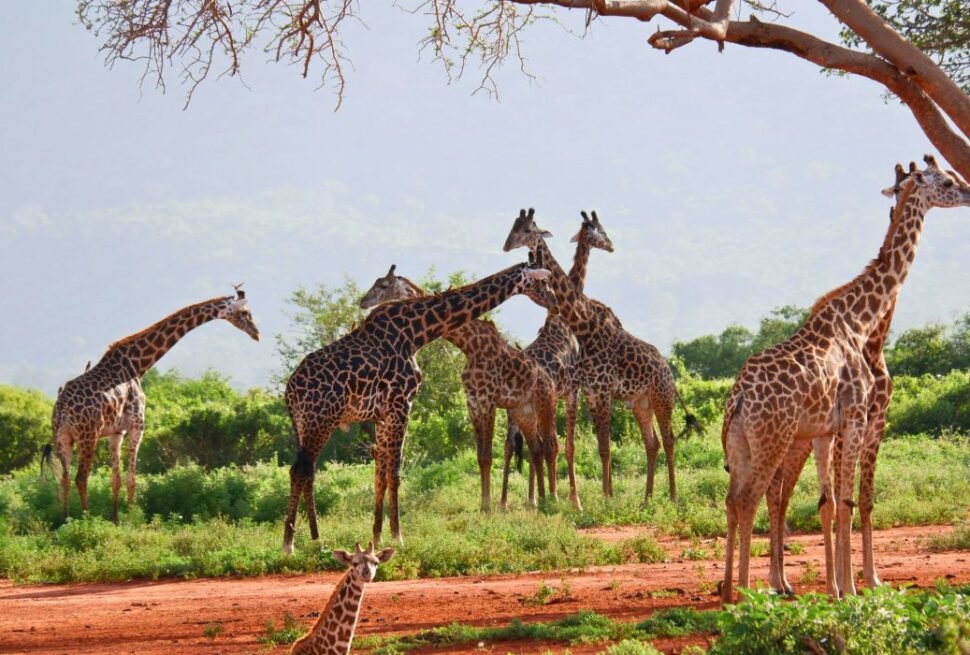
Walking changes the scale of the safari. Instead of looking across a plain from a vehicle, you notice tracks, plants, insects, birds and sounds that you might otherwise miss. Other locations, including Crescent Island in Kenya, allow you to walk among zebras, giraffes, etc., in a walking safari.
Hiking
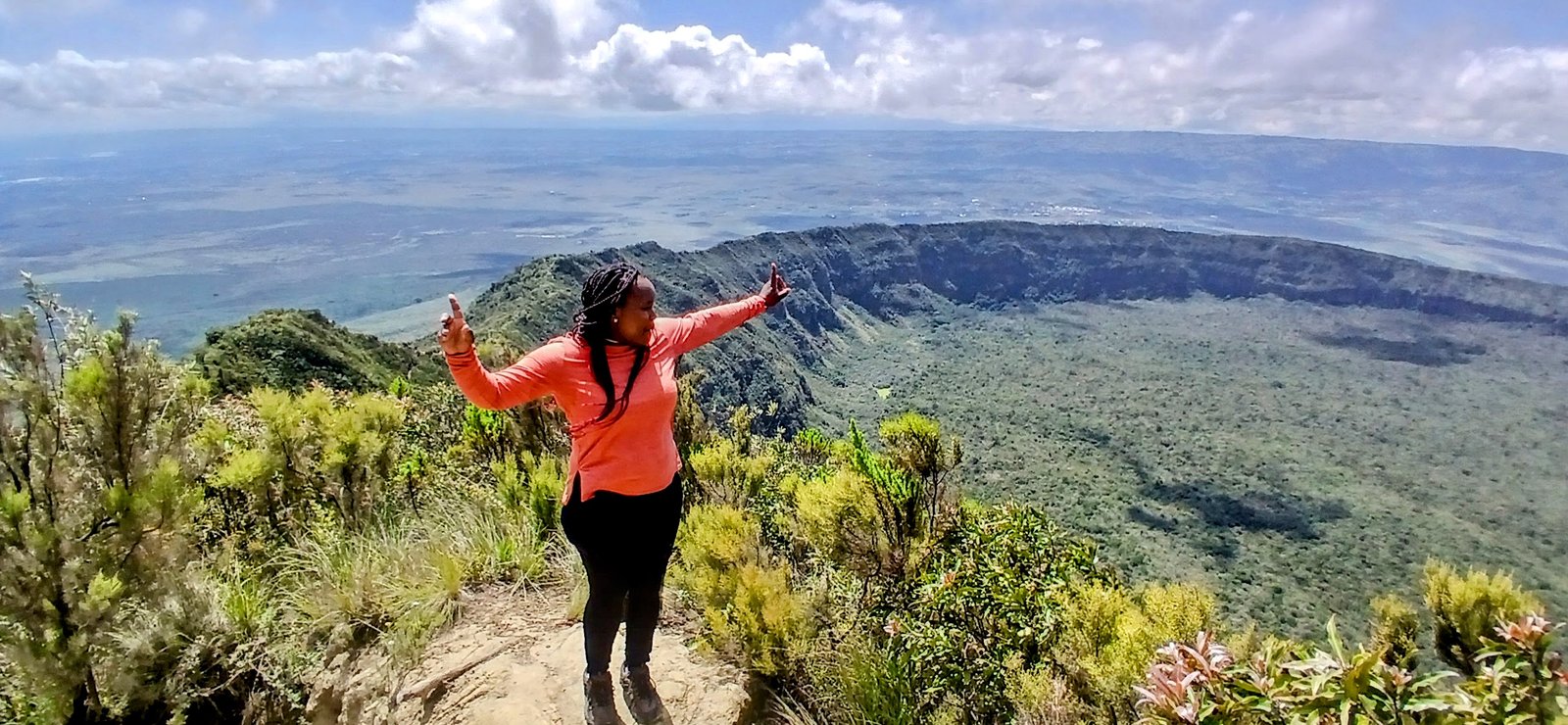
Some destinations are particularly well suited to active exploration. Hell’s Gate, for example, offers a very different experience from a traditional game-drive safari, with dramatic scenery and opportunities for walking and other outdoor activities.
Boating
Kenya’s lakes can add another perspective, and depending on the destination, you may see hippos, birds, and other wildlife from the water.
Horse Riding
Available in selected areas, horseback experiences can provide a quieter way to explore the landscape.
Hot-Air Ballooning
For travelers who want a memorable aerial view, ballooning can add something special to an itinerary.
Photography
You do not have to be a professional photographer to build a safari around photography. If photography matters to you, say so before we design the itinerary. Your vehicle arrangements, timing, guide, and destination choice can all affect the experience.
Culture and Food
You can learn through food, stories, crafts, community experiences, and conversations.
Wellness
Swimming, spa experiences, quiet mornings, and slower days can all have a place in a safari.
Conservation Experiences
For travelers who want to understand the work behind wildlife protection, conservation-focused experiences can become part of the itinerary.
The important idea is:
Activities are ingredients, not separate safari types.
You do not have to choose between a wildlife safari and an active holiday. You can build a safari that combines the two.
What Should You Spend Your Kenya Safari Budget On?
A higher price does not automatically create a better safari. What matters is where your money changes the experience.
Your budget may affect:
- Accommodation
- Private versus shared travel
- Domestic flights
- Road transfers
- Number of destinations
- Guide services
- Specialist activities
- Travel season
- Length of stay
- Level of comfort
For one traveler, a private vehicle may be worth the extra cost; for another, a beautiful camp may matter more. Someone else may prefer to spend the budget on a longer trip rather than a more expensive room.
So instead of asking:
What is the most luxurious safari I can afford?
ask:
Which parts of the experience matter most to me?
Then put your money there.
Spend more on what changes the experience for you, not simply on what sounds luxurious.
Don’t Build Your Kenya Safari Around Your Instagram Feed
It is easy to build a trip around the places you see most often online.
You see a famous photograph that becomes your destination, and eventually the itinerary. Suddenly, you have built a holiday around someone else’s idea of a perfect safari.
Note that the place that looks most impressive in a photograph may not suit your interests, pace, or travel style.
Maybe you would rather spend three nights in one conservancy than rush through four famous parks. Or maybe you care more about elephants than all the Big Five. If travelling with family, maybe your children would enjoy a safari with swimming and walking more than another long game drive.
That is why you should start with your experience, then choose the places that can deliver it.
So, Which Kenya Safari Is Right for You?
There is no universal answer, but your priorities can point you in the right direction.
| What matters most to you | Start by considering |
| Iconic wildlife | National parks or reserves |
| Privacy | Private safari |
| More flexibility | Private safari or a suitable conservancy |
| Different activities | Conservancy-based safari or activity-rich destinations |
| Family ease | Fewer transfers and varied experiences |
| Conservation learning | Conservation-focused itinerary |
| Romance | Private trip and fewer destinations |
| Culture and wildlife | Safari combined with cultural experiences |
| Rest | Fewer places and longer stays |
| Adventure | Safari combined with active experiences |
| Photography | Flexible private itinerary |
| Several interests | Tailor-made combination |
And if you recognize yourself in several rows, that is completely normal.
Your Kenya safari does not have to fit into one category.
10 Questions to Ask Before Booking a Kenya Safari
Questions to help you choose the right Kenya safari.
Before you compare safari packages, ask yourself these questions.
1. What do we most want to see or experience in Kenya?
Is it wildlife, landscapes, culture, conservation, adventure, relaxation, or a mixture?
2. How much time do we have for a Kenya Safari?
Be realistic about your holiday rather than trying to squeeze everything into it.
3. How much travelling between destinations are we comfortable with?
A two-hour transfer and a six-hour transfer can create very different days.
4. Do we want a private or shared Kenya safari?
Think about flexibility, privacy, budget, and the people you are travelling with.
5. Would we prefer Kenya parks, reserves, conservancies, or a mixture?
The answer can change the activities and atmosphere you experience.
6. How active do we want to be during our Kenya Safari?
Would you enjoy walking, hiking, boating, horseback riding, or other activities alongside game drives?
7. Do we want culture, wellness, or conservation to be a meaningful part of the journey?
If yes, build it into the itinerary from the beginning.
8. What kind of accommodation feels right for us?
Think beyond luxury, and consider location, atmosphere, comfort, activities, and how the property fits into the journey.
9. Would we rather see fewer places and stay longer?
Sometimes the answer is yes.
10. How do we want to feel when we come home from the Kenya safari?
Fulfilled, tired, disappointed, rested, permanently changed, humbled, reconnected, spiritually fulfilled, enriched, or something else.
This may be the most important question of all.

Once you know those answers to these questions, the rest starts to fall into place. The destination follows the experiences you want to have, the accommodation follows the pace, activities follow your interests, and the length of the safari follows your priorities.
It becomes easy to direct your budget to what matters most to you.
That is how you choose a Kenya safari that feels personal rather than simply ticking destinations off a list.
Your Kenya Safari Should Feel Like Yours
There is no prize for visiting the most parks, no rule that says you need to see the Big Five, and you don’t have to stay in the most expensive camp. Most importantly, you do not have to copy somebody else’s itinerary.
A great Kenya safari makes sense for you. Maybe that means three slow nights in the Mara; combining wildlife with conservation; a family journey with walking, swimming, and wildlife; a private safari built around photography; or it means starting in Nairobi, travelling through the Rift Valley, and finishing beside the Indian Ocean.
It could also be that you want a little of everything, which is where tailor-made travel becomes valuable.
At Offbeat Experiences, the starting point does not have to be a package. You can start with an idea, a dream, a family, a celebration, or simply a feeling you want from your time in Kenya.
Tell us what matters to you, and we can help shape the destinations, activities, accommodation, and pace around it.
Ready to Start Planning?
Tell us what you want your Kenya journey to feel like, and let’s build from there.
Frequently Asked Questions (FAQs) On How to Choose a Kenya Safari
What is the best Kenya safari for first-time visitors?
There is no single best safari for every first-time visitor. The right choice depends on what you want to see, how much time you have, your preferred pace, and whether you want a classic wildlife experience, a conservancy experience, or a combination of both.
How many days do I need for a Kenya safari?
Three to four days can work for a focused safari in one main area. Five to seven days gives you more room for variety, while longer trips allow you to slow down and explore more than one region without rushing.
Is a private Kenya safari worth the extra cost?
It can be, particularly if flexibility and privacy matter to you. It is especially useful for families, photographers and travelers with specific interests.
What is the difference between a Kenya national park and a conservancy?
National parks and reserves are protected wildlife areas managed under specific regulations. Conservancies can be community-led or privately managed and can have different rules and activities. The exact experience depends on the destination.
Are Kenya safaris good for families with children?
Yes. The best family safaris are planned around the children’s ages, interests, energy levels, and comfort. A family itinerary can combine wildlife with walking, swimming, culture, education, and time to rest.
Can I combine wildlife with culture or conservation?
Absolutely. A Kenya safari does not have to focus only on wildlife viewing. It can also include cultural and conservation experiences built into the itinerary where appropriate.
Is it better to visit one park or several?
Neither is automatically better. One destination can provide a slower, deeper experience, while two or more can provide greater variety. The key is balancing variety with travel time.
What is the best time of year for a Kenya safari?
It depends on what you want to experience. Kenya offers wildlife experiences throughout the year, while different seasons can affect wildlife visibility, landscapes, weather, road conditions, and demand.
What should I consider when choosing a safari camp?
Look at the camp’s location, atmosphere, activities, child policies, food, comfort, accessibility, conservation practices, and transfer times. A beautiful property is not necessarily the right property if it does not fit your itinerary.
How do I choose the right Kenya safari itinerary?
Start with your priorities rather than the destinations. Decide what you want to see, how active you want to be, how much time you have, how much travelling you are comfortable with, and whether you want culture or conservation to be part of the experience. Then choose destinations and accommodation that support those priorities.