Most travellers think a great safari is about the animals they see. The journeys they remember most are often about something much deeper. Here’s how Kenya’s conservancies and national parks work together to create experiences that stay with you long after you’ve returned home.
A few years ago, if you had asked me what makes a great safari, my answer would probably have sounded a lot like everyone else’s.
Great wildlife.
Knowledgeable guides.
Comfortable camps.
Beautiful landscapes.
Today, I’d answer that question very differently because somewhere along the way, I realized I had been asking the wrong question.
Why is this?
I realized the moments people remembered most had very little to do with a checklist of wildlife sightings.
They weren’t always the famous parks or the biggest lodges.
More often than not, they came from places travellers had never heard of before they arrived. Places like Olderkesi on the edge of the Maasai Mara, Selenkay in the Amboseli ecosystem, or the vast conservancy landscapes of Laikipia.
These are places where wildlife, people, and conservation are woven together in ways that many travelers never get the chance to see. And once you understand how these landscapes work, you start seeing Kenya safaris through an entirely different lens.
The Safari We All Picture
Ask ten people to picture an African safari and you’ll probably hear the same things.
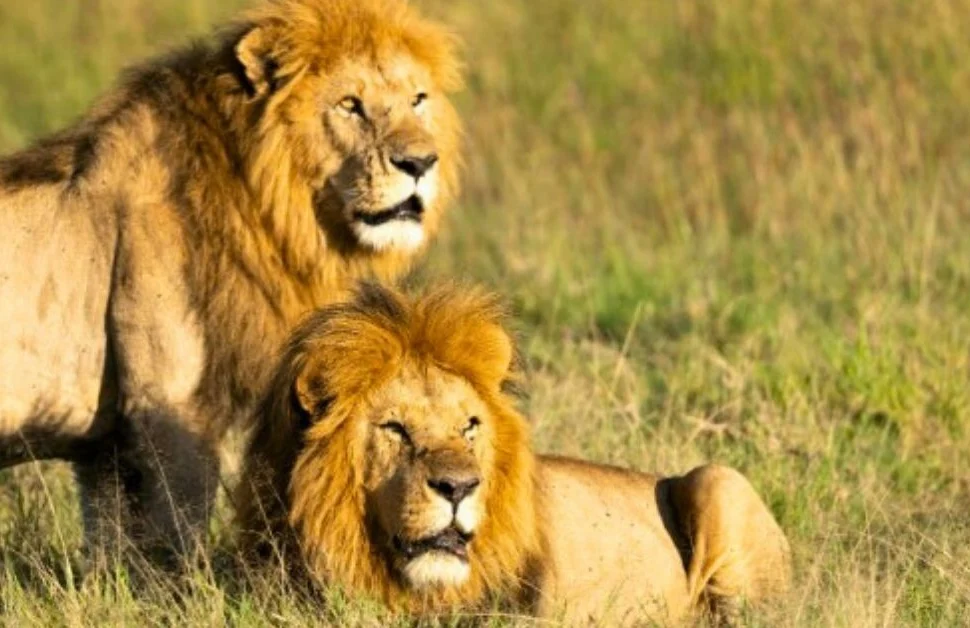
A pride of lions beneath an acacia tree.
A herd of elephants crossing an open plain.
A safari vehicle parked quietly in the distance while the wild unfolds.
Sometimes it really is like that.
Other times, particularly if you visit Kenya during busy travel seasons, the reality can be very different. A remarkable sighting may attract a line of vehicles, and suddenly you and travelers in five or six more vehicles gather around a pride of lions or a cheetah on the hunt, each hoping for the perfect photograph.
There is nothing wrong with this. Kenya’s national parks are public spaces that welcome visitors from around the world. The popularity of these places reflects just how special they are.
Yet many travelers say the same thing after spending time in a conservancy.
“This is what I imagined a safari would feel like.”
Not because there is more luxury or more animals. But because there is more space.
The Difference You Can Feel
The first thing you will notice on visiting a conservancy is not the wildlife, it’s the quiet. You can drive for miles without seeing another vehicle. The landscape also feels wider somehow, and you can slow down without worrying about what happens next. It becomes very easy to settle into the rhythm of the place.
In conservancies such as Olderkesi in the Mara ecosystem, Selenkay in Amboseli, and community conservancies across Laikipia, visitor numbers are intentionally kept low. The camps are sometimes also smaller, and the vehicle density is lower. As a result, wildlife encounters often feel more personal and less hurried.
Instead of chasing a checklist, your guides have the freedom to spend hours interpreting what is happening around you. You begin to notice details you would otherwise miss from a speeding vehicle: fresh tracks crossing the dirt road, a specific warning call from a bird hidden in the bush, or the scent of wild herbs crushed beneath your feet during a walk.
It feels as though the landscape is telling stories, and for the first time, you have the space to listen.
The Wildlife You See Is Only Half the Story
One of the biggest surprises for us was how quickly our attention shifted once we started spending more time in these spaces.
At first, we were focused on wildlife: the elephants, lions, leopards, and cheetahs. And yes, these moments are crucial and still matter when you go on safari. They always will, and no one should say they don’t.
But gradually, something else captured our attention. We found ourselves asking more questions about these places and the people protecting them. Conversations with guides suddenly went beyond wildlife sightings. We found ourselves talking about migration routes, community land ownership, human wildlife coexistence, and the choices shaping the future of these ecosystems.
It makes you realize that yes, the wildlife is extraordinary, but the animals are not the only part of the story.
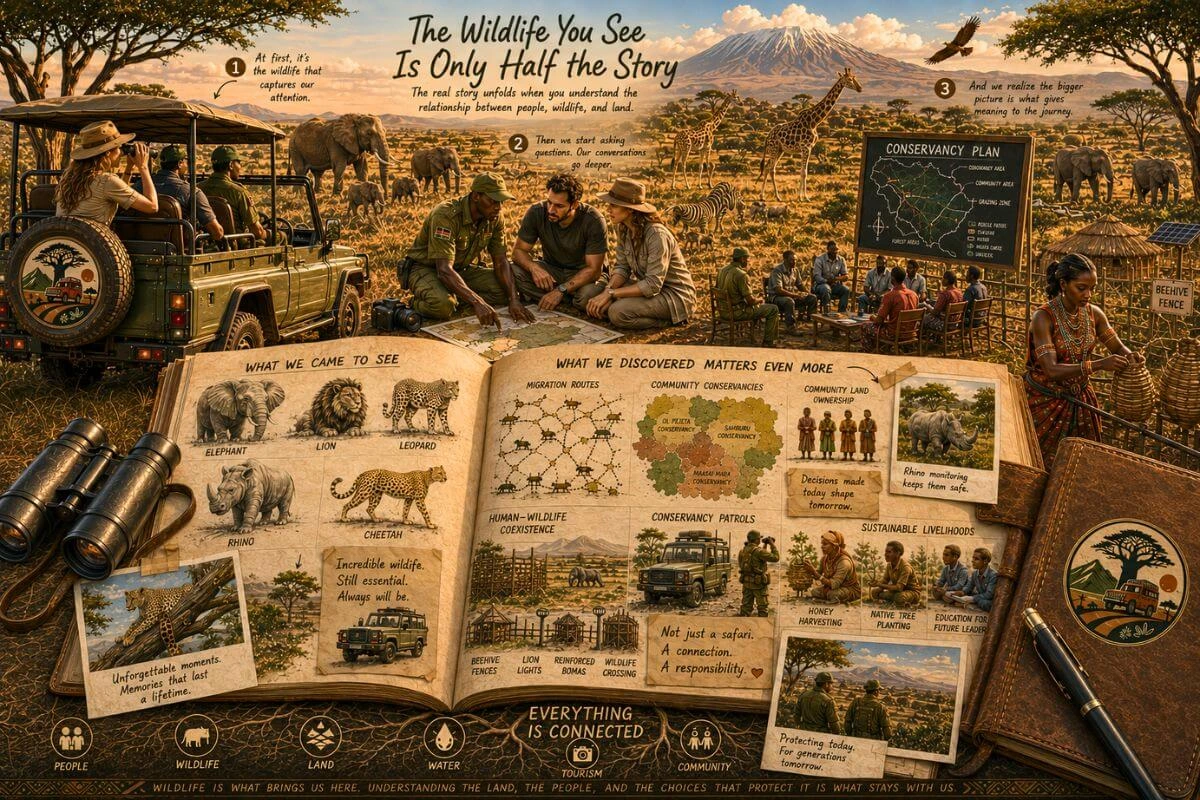
The real story, the one that gives meaning to the entire journey, unfolds when you understand the relationship between people, wildlife, and land.
What Exactly Is a Conservancy?
The simplest explanation is this.
A conservancy is protected land where wildlife conservation and local communities work together as partners. Most of them sit alongside national parks and reserves, creating vital space for wildlife to move freely across larger ecosystems.
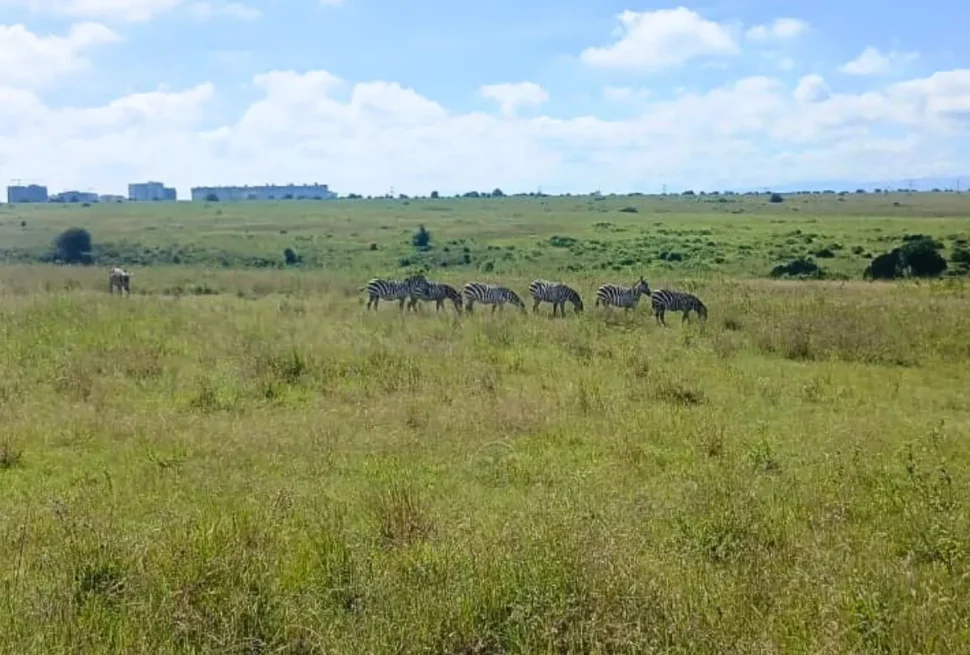
This matters because animals don’t recognize park boundaries. An elephant moving through Amboseli has no idea when it leaves a national park and enters community land. A lion certainly doesn’t stop at an invisible line on a map.
Wildlife needs connected landscapes to survive. Without them, migration routes shrink, habitats become fragmented, and conflict between people and wildlife becomes more common.
Here is the payoff: conservancies help keep these landscapes open. By creating secure space for wildlife, they simultaneously provide local communities with meaningful benefits from conservation and tourism. For travelers, that means access to exclusive, crowd-free safari experiences. For wildlife, it can mean the absolute difference between a connected ecosystem and a broken one.
Why Conservancies Matter for Conservation
For many years, conservation was often seen as something that happened separately from local communities.
The idea was simple. Protect wildlife by keeping people out.
Today, many of Kenya’s conservancies show why this model matters.
Instead of separating people from nature, they recognise that the two are connected.
When tourism supports the people who share their land with wildlife, conservation becomes a shared investment worth protecting.
For local landowners, responsible tourism generates vital income through land leases, employment, and community initiatives. Healthcare, education, ranger programs, and local businesses all directly benefit when visitors travel mindfully.
This economic stability creates a direct ecological impact, and beyond community benefits, wildlife gains something just as essential:
Space.
Elephants can continue using ancient migration routes. Predators can move freely between ecosystems, and communities have compelling reasons to keep these landscapes open rather than convert them to other uses.
While conservation is never simple and no single framework is perfect, conservancies across Kenya have proven to be among the most effective tools for protecting wildlife beyond national park boundaries.
As a traveller, that’s something extraordinary to witness.
Not just because you are seeing conservation in action, but because you are seeing how communities, wildlife, and tourism can thrive together.
Why This Changed the Way We Design Trips
When we first started designing safaris, we focused on destinations everyone already knew, like the Maasai Mara, Amboseli, Lake Nakuru, Tsavo, and others.
To be clear, we still love these iconic places.
Over time, though, we noticed a distinct pattern when our guests returned home. They rarely bragged about how many animals they had crossed off a list. Instead, they remembered moments like this:
- A Maasai guide who knelt in the dust to teach them how to read the morning tracks.
- An unhurried conversation around a campfire under a blanket of stars.
- The raw sound of hyenas calling to each other after dark.
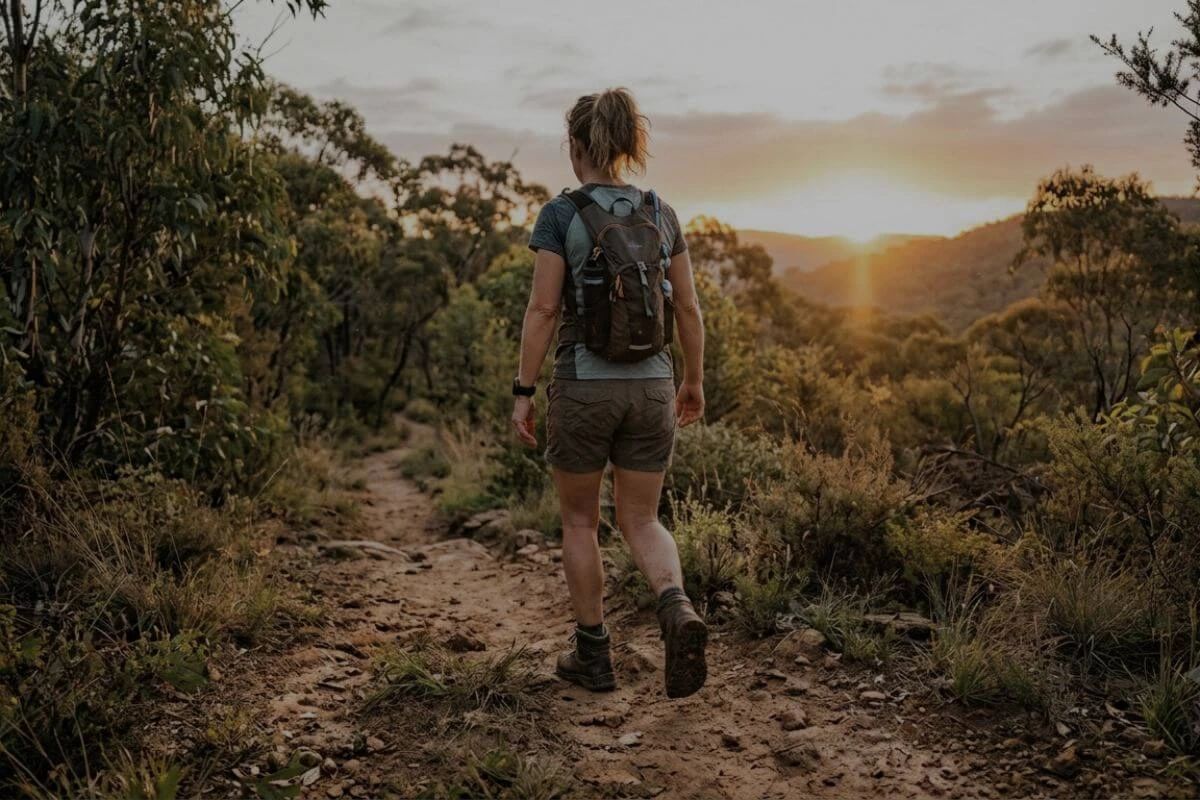
- Walking through the bush at sunrise, feeling the earth beneath their boots.
- A visit to a local community where they sat and talked with families they knew nothing about before arriving.
- A breathtaking lion sighting with absolutely no other vehicles around.
We realized that the memories that lasted weren’t the loudest or most commercialized experiences; they were the most meaningful ones.
This insight is what guides the journeys we create today. We still include Kenya’s iconic destinations, but we intentionally anchor our trips in places that allow travelers to slow down, ask questions, and connect more deeply with the landscapes they explore.
We realized that the best safaris aren’t just about looking at wildlife through a window. They’re about understanding the world that wildlife depends on to survive.
A Different Definition of Luxury
What is your definition of Luxury?
I will be honest, the word means different things to different people. For some, it is exceptional food or beautiful accommodation.
While those comforts are wonderful, we believe true luxury on safari is something entirely different. True luxury is a value measured in time and exclusivity.
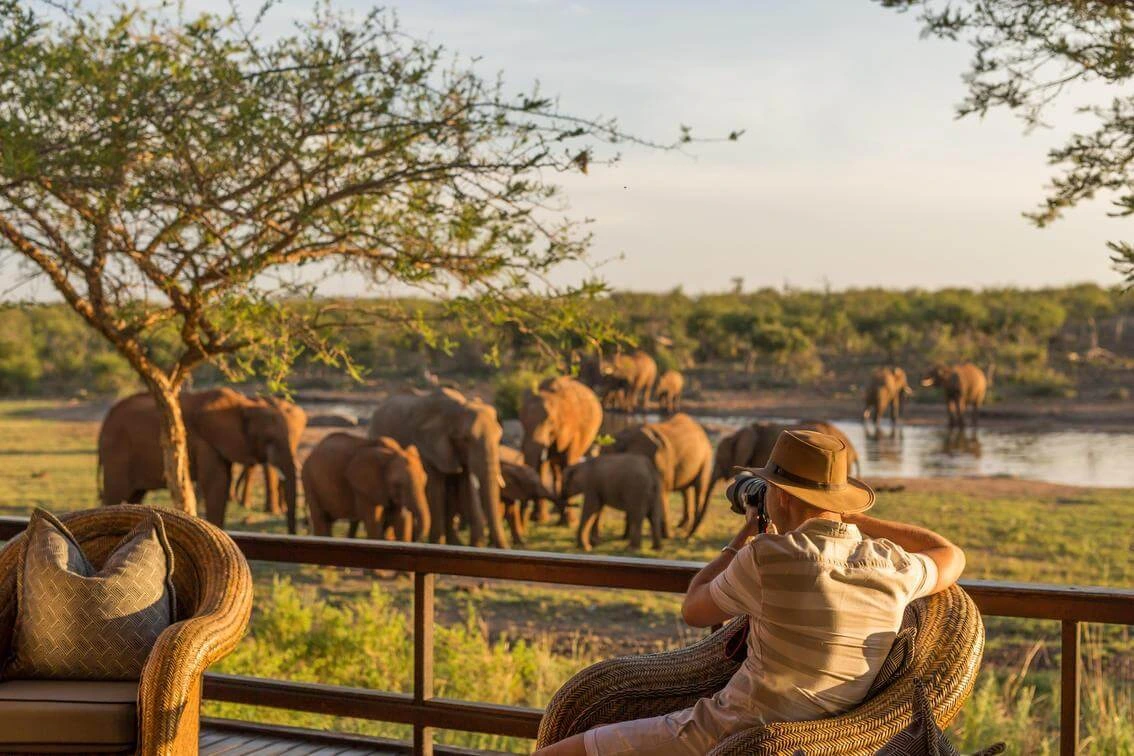
It is having the freedom to stay with a single wildlife sighting for an entire afternoon instead of rushing to the next one because a crowd is arriving; Sitting quietly beside a secluded waterhole, or spending an evening with a local guide whose personal stories reveal far more depth than any guidebook ever could.
It is watching a herd of elephants without feeling rushed, or the chance to spend an hour with a guide who genuinely loves sharing knowledge about the land.
It is the opportunity to walk, listen, learn, and absorb a place at a slower, intentional pace.
And in a world that feels increasingly crowded and hurried, that kind of uninterrupted space is the rarest luxury of all.
Perhaps that is exactly why it stays with people long after they return home.
Conservancies You Will Love Exploring Across Kenya
These specific landscapes are featured not because they are the only ones, but because each highlights a unique facet of Kenya’s broader conservation story.
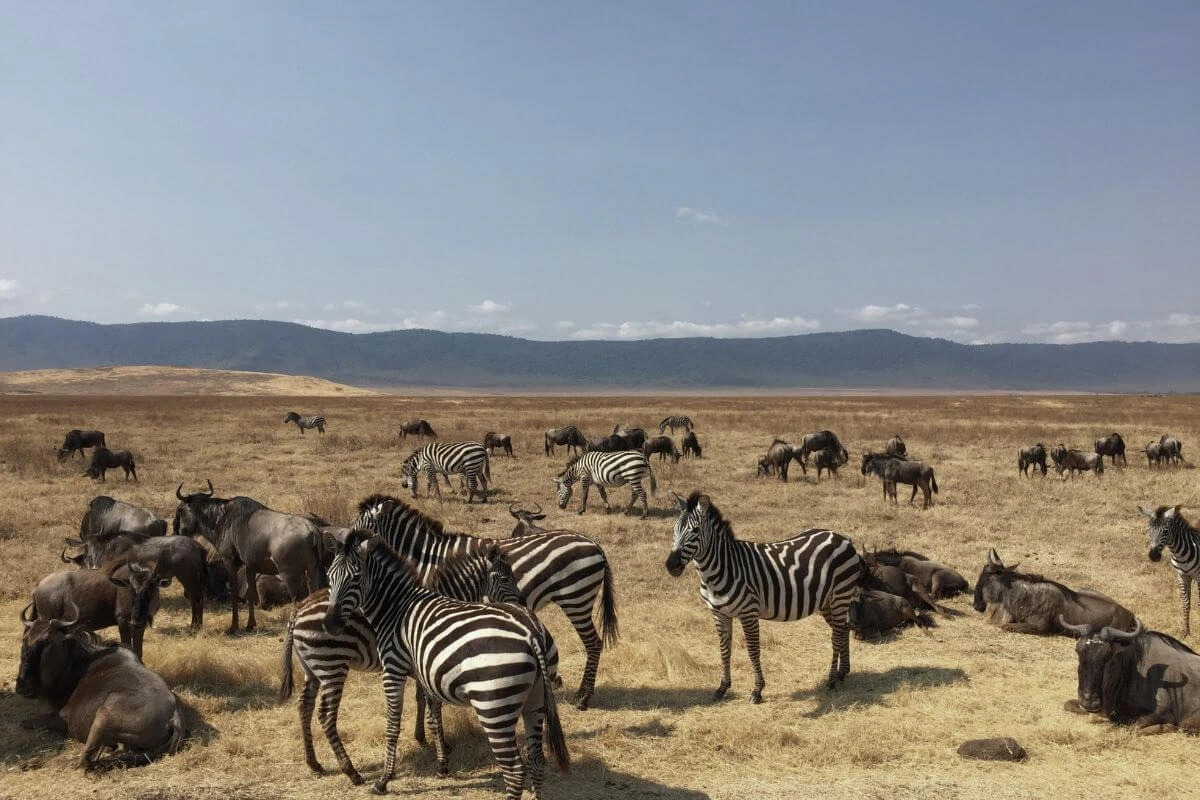
No two conservancies feel the same. Each protects a different landscape, supports different communities, and offers its own way of experiencing Kenya.
Here are a few we think are worth discovering.
Olderkesi Conservancy
Maasai Mara Ecosystem
Bordering the Maasai Mara National Reserve, Olderkesi offers a quieter side of one of Kenya’s most famous wildlife destinations. Here, open plains stretch into the distance with far fewer vehicles, giving you time to simply watch and listen. Walking safaris, conversations with Maasai guides, and unhurried game drives reveal a deeper connection to both the landscape and the people who call it home.
Olare Motorogi Conservancy
Maasai Mara Ecosystem
If you’ve always dreamed of seeing big cats in the wild, Olare Motorogi is one of Kenya’s finest places to do it. Strict visitor limits create a calmer safari experience where sightings feel more personal, guides have time to interpret wildlife behaviour, and every drive feels less about chasing animals and more about understanding them.
Selenkay Conservancy
Amboseli Ecosystem
Set beneath the towering presence of Mount Kilimanjaro, Selenkay offers a different perspective on Amboseli. Beyond elephants and sweeping views, it tells the story of how Maasai communities and wildlife share the same landscape. Walking safaris and meaningful conversations with local guides make this one of Kenya’s most rewarding places to learn how conservation works on the ground.
Ol Pejeta Conservancy
Laikipia
Ol Pejeta is where many travellers discover that conservation is far more than protecting wildlife. It’s a working landscape where rhino conservation, community programmes, scientific research, and wildlife management come together every day. If you’re curious about the future of conservation in Africa, few places offer a better introduction.
Lewa Wildlife Conservancy
Laikipia
Lewa has helped shape modern conservation in Kenya for decades. Beyond its thriving wildlife, it is a place where conservation, education, healthcare, and community development have grown together. A safari here offers not only exceptional wildlife viewing but also a deeper appreciation for how long-term conservation can benefit both people and nature.
Namunyak Conservancy
Northern Kenya
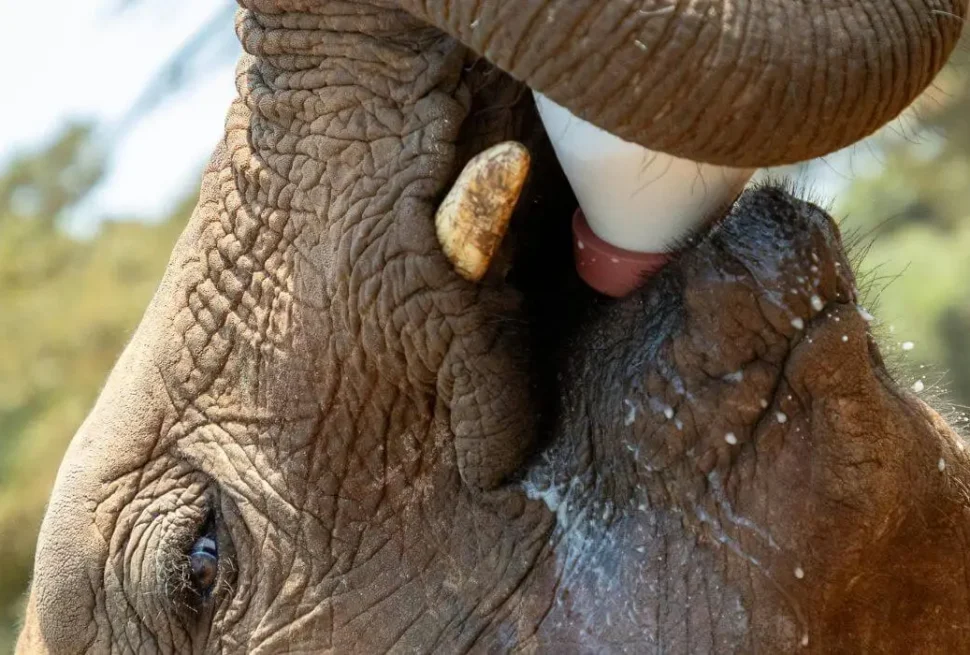
Namunyak feels unlike anywhere else in Kenya. Rugged mountains replace open savannah, Samburu traditions remain deeply rooted, and conservation takes on a very personal meaning through the work of the Reteti Elephant Sanctuary. It is a place that reminds visitors that Kenya’s wildlife story extends far beyond the landscapes most people already know.
Of course, these are only a handful of Kenya’s conservancies.
Across the country, dozens of community and privately managed conservancies are protecting wildlife, supporting local livelihoods, and creating some of the most meaningful safari experiences you’ll find anywhere in Africa.
Each one tells a different story.
So when you visit Kenya, consider making room for both.
Kenya’s national parks introduce you to the country’s iconic wildlife. Conservancies reveal the landscapes, communities, and conservation efforts that help make those experiences possible.
Together, they tell the full story of Kenya.
So, Should You Choose a Conservancy or A National Park?
The truth is that you don’t need to choose. In fact, some of our favorite custom itineraries intentionally combine both. National parks offer iconic wildlife experiences and some of Africa’s most celebrated landscapes, while conservancies add context, space, and a deeper understanding of how those landscapes actually work.
Together, they tell a more complete story.
If there’s one thing we hope you take away from this article, it’s this:
When planning a safari, don’t just look at the camp or lodge brochure. Instead:
- Look beyond the camp itself.
- Ask how the landscape is protected.
- Ask how wildlife moves through it.
- Ask who benefits from tourism there.
The answers often reveal far more than any brochure ever could, because once you begin asking those questions, safari becomes about more than wildlife sightings. You start to see the people behind conservation, the landscapes that support wildlife, and the choices shaping the future of these places.
And in our experience, those are the journeys people remember long after they have unpacked their bags and returned home.
The wildlife may be what brings you to Kenya. Understanding the landscape is often what brings people back.
Continue the Journey…
If this way of travelling speaks to you, we’d love to help you experience Kenya beyond the usual safari.
Whether it’s your first visit or your fifth, we’ll design a journey that combines iconic wildlife with the places, people and stories that make Kenya unforgettable.
Frequently Asked Questions on Kenya Conservancies and Why They Matter for Wildlife, Communities, and Better Safaris
Yes, absolutely. Because conservancies share open, unfenced borders with national parks, they hold the exact same wildlife densities. Furthermore, because conservancies allow for responsible, regulated off-roading, you aren’t confined to a tarmac or dirt track. Your guide can dynamically follow a leopard or a pride of lions on the move, giving you a quiet, unobstructed view of their natural behavior.
Some are privately managed, while many are community-owned and operated through conservation partnerships with local landowners.
Significantly so. Conservancies limit the number of vehicles allowed at any single wildlife sighting (usually a maximum of three). This means you will rarely see other travelers during your drives, thus creating a quieter and more exclusive experience.
Depending on the conservancy, activities may include guided bush walks, night drives, cultural experiences, conservation learning opportunities, photography experiences, and wildlife drives.
Depending on the ecosystem, activities may include guided night game drives (to see nocturnal predators), wilderness bush walks on foot, and private bush meals away from camp.
Many animals spend a significant amount of time outside national park boundaries. Conservancies help protect migration routes, breeding areas, and wildlife corridors that connect larger ecosystems. Without these landscapes, many species would struggle to move freely between protected areas.
Many families enjoy conservancies because activities often extend beyond game drives. It’s a good way to encourage curiosity, learning, and meaningful interaction with nature.
Not necessarily. Some conservancies are associated with high-end safari camps, but there are options across different budgets. The true difference lies in the value of the experience: you are trading crowded public tracks for private access, flexible activities, and the knowledge that your travel spend directly preserves the ecosystem.
Depending on the conservancy model, tourism revenue helps create income opportunities, supports conservation jobs, and contributes to community development initiatives.
Absolutely. In fact, this is often our preferred approach because it combines iconic wildlife viewing with a deeper understanding of the landscapes that support it.