Quick Facts
- Destination: Kenya (Nairobi • Ol Pejeta Conservancy • Ngare Ndare Forest Reserve)
- Duration: 11 Days
- Start / End: Nairobi, Kenya
- Accommodation Style: Student-friendly eco camps and wilderness lodges
- Focus of the Journey: Wildlife Conservation • Cultural Exchange • Service Learning • Leadership Development
- Trip Pace: Active, immersive, and balanced with reflection time
- Ideal Age Group: Students aged approximately 8–22, with some activities in Ol Pejeta having an age limit of 12. (fully customizable tour)
- This student conservation safari is offered at specific times of the year. Contact us to plan on available dates.
Explore Kenya. Learn through adventure. Grow through experience.
Kenya offers one of the most inspiring living classrooms on Earth. Here, conservation is not an abstract concept. It is a daily reality shared between wildlife, communities, and the landscapes that sustain them.
This student conservation safari is designed to immerse young travelers in that reality.
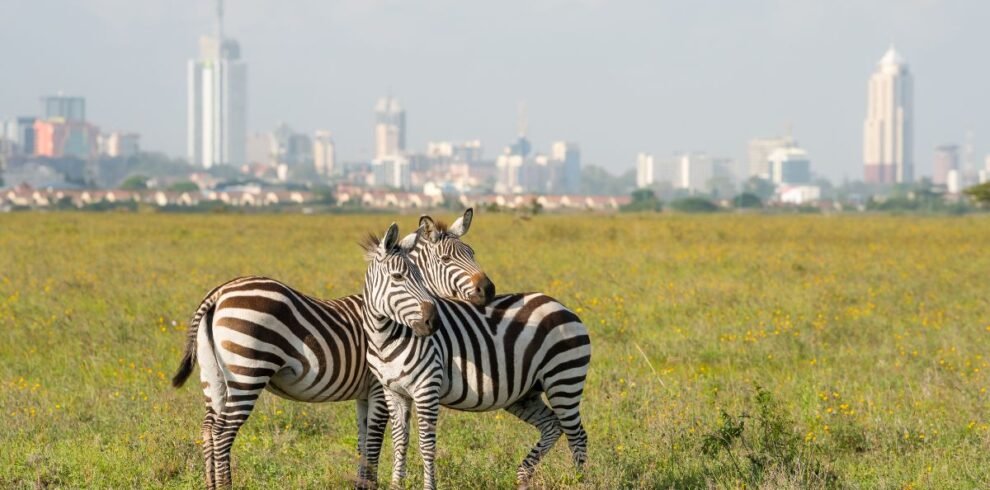
Students may begin their field experience in Nairobi, a city where lions roam within sight of skyscrapers. It is a powerful introduction to the delicate balance between urban growth and wildlife conservation.
From there, the journey unfolds northward to Ol Pejeta Conservancy, a global leader in wildlife protection and habitat restoration. Students may engage with real conservation programs, learn how scientists monitor wildlife populations, and discover the challenges of protecting endangered species.
The adventure continues into the lush Ngare Ndare Forest Reserve, where towering trees, cool forest pools, and suspended canopy bridges create space for exploration and reflection.
Throughout the journey, conservation learning blends naturally with adventure, creativity, and connection. Campfire evenings, sports with local youth, and shared storytelling create a powerful sense of belonging.
By the end of this student conservation safari, students will return home with knowledge and purpose.
Why This Journey Matters: The Impact of the Student Conservation Safari
This student conservation journey is more than a trip through Kenya’s landscapes; it is a purposeful contribution to the front lines of global conservation. By participating, students move from being observers to being active stakeholders in the survival of critical ecosystems.
Tangible Conservation Impact
- Direct Funding: Approximately 90% of the funding for the Giraffe Centre’s education and protection programs comes from visitor fees and onsite purchases.
- Species Survival: Participation in the ‘Kazi’ (work) program at Ol Pejeta directly supports the caregivers of the world’s last northern white rhinos and the rehabilitation of orphaned chimpanzees.
- Habitat Protection: Fees contribute to the maintenance of the Ngare Ndare forest corridor, a 3.5 km vital link that elephants have used for centuries to migrate safely between northern rangelands and Mount Kenya.
Student Growth & Transformation
- Fieldwork Skills: Students gain invaluable experience in ecological monitoring, predator tracking, and rangeland management, learning how science is applied in the real world.
- Leadership Development: Through reflection circles and team-building challenges, students build the confidence and empathy required to be “ambassadors of hope” for the natural world.
- Cultural Intelligence: By walking with Maasai herders and engaging in student-to-student exchanges, participants develop a nuanced understanding of how human livelihoods and wildlife protection must coexist.
Ethical & Responsible Travel
- Non-Exploitative Engagement: All wildlife interactions, from the David Sheldrick Wildlife Trust to the Giraffe Centre, are strictly regulated and guided by veterinary science and animal welfare standards.
- Community-Led Initiatives: We prioritize partnerships with conservancies that use livestock and tourism as tools to improve local livelihoods and manage rangelands effectively.
Student Conservation Safari Accommodation Highlights
Accommodation throughout the student conservation journey reflects the spirit of immersive learning.
Students stay in comfortable eco-lodges and wilderness camps designed to bring them closer to nature.
Many properties operate with strong sustainability principles, including solar power, water conservation systems, and community employment programs.
Camp environments encourage collaboration. Students often share responsibilities, participate in group activities, and experience the rhythm of life outdoors.
It is part adventure camp, part conservation classroom.
Who This Safari Is For
- Junior Secondary/high school, and university students passionate about wildlife, nature, and service
- Youth groups or educational institutions seeking immersive, purpose-driven travel
- Young travelers ready for culture, community engagement, and meaningful adventure
- Future leaders keen to combine fun, learning and global citizenship
- Families on safari in Kenya that want to introduce their children to conservation and leadership
What to Bring on the Student Conservation Safari
- Lightweight long-sleeve shirts & trousers for bush activities
- Comfortable T-shirts, shorts for camp
- Walking/hiking shoes + sandals
- Swimwear & towel (forest pools, camp pool time)
- Sun hat, sunglasses, high-SPF sunscreen
- Insect repellent
- Reusable water bottle (eco-friendly)
- Daypack/backpack for daily outings
- Rain jacket or windbreaker for cooler evenings
- Camera or phone + spare battery/memory
- Notebook & pen for field reflections
- Sports shoes/kit for matches with local youth
- Personal medications, toiletries, small first-aid kit
- Travel documents/ID copies + open mindset
Itinerary
This framework is fully adaptable.
Let us build it around your students' age, field work needs, conservation interests, and desired pace.
Let’s design your student conservation safari today.
Nairobi is the only capital on Earth where wild lions roam freely against the backdrop of modern skyscrapers. Here, the golden grasslands of the savannah meet the city hum, creating a powerful introduction to the student conservation safari.
For learners, this is a living classroom that challenges the status quo. It is an environment where the core question is not just how to protect wildlife, but how people and animals can share a single, shrinking landscape. Students witness firsthand how rescue centers, research organizations, and protected parks collaborate to safeguard endangered species. This experience proves that conservation is not a distant theory, but a human, immediate, and deeply collaborative mission.
Field Experiences
Conservation Learning
- Nairobi National Park: Experience a genuine wildlife safari on the city’s doorstep, tracking lions and rhinos across open plains.
- Elephant Rehabilitation at Sheldrick Wildlife Trust: Learn the science of orphan care, from specialist milk formulas to the long-term reintegration process that can take years.
- Giraffe Ecology at the Information Centre: Engage with educators to understand why Rothschild’s giraffes are endangered and how habitat loss affects populations.
- Urban Coexistence Challenges: Discuss the unique role this urban park plays in Kenya’s wider wildlife protection story.
Cultural Exchange & Impact
- Conservation Educators: Direct dialogue with senior elephant keepers and giraffe researchers about their individual journeys and field challenges.
- Supporting Local Education: View artwork by local students where proceeds fund ecology trips for underprivileged youth.
- Student Discussion Circles: Group reflections on wildlife stewardship and the ethics of animal engagement.
Adventure & Bonding
- Giraffe Centre Encounters: Stand eye-to-eye with endangered giraffes on the feeding platform for a joyful, ethical encounter.
- Sanctuary Forest Trail: An unhurried short hike through an indigenous forest to spot over 60 species of birds.
- Team Icebreakers: High-energy leadership activities and games designed to build community from day one.
Camp Rhythm
As the sun sets behind the Ngong Hills, the energy shifts. Evenings slow down around the camp as laughter drifts across the fire and students roast marshmallows. The stars emerge over the Nairobi skyline, and journals begin to fill with sketches, reflections, and new ideas sparked by the day's encounters. This is where the first deep friendships form, and the transformational journey truly begins.
Why This Location Matters to Conservation
Your visit is an active contribution to the survival of Kenya’s heritage. Approximately 90% of the Giraffe Centre’s funding comes directly from entrance fees and the gift shop. Your visit supports environmental education and habitat protection. Similarly, public visits to the Sheldrick Wildlife Trust fund anti-poaching units and the round-the-clock veterinary care required for rescued orphans. By participating in this student conservation safari, you are becoming a partner in these lifelong commitments.
North of Nairobi, the landscapes open wide as rolling grasslands stretch beneath Mount Kenya’s iconic silhouette. Ol Pejeta stands at the global forefront of wildlife protection, serving as a sanctuary for the world’s last northern white rhinos and a stronghold for endangered black rhinos.
For students, this is not a spectator safari; it is an immersion into the "Kazi" (work) of modern conservation. They move behind the scenes to see the grit and science required to protect an ecosystem. From training with elite tracking dogs to monitoring predator movements, students become ambassadors for species on the brink. Every day reveals a deeper layer of how technology, community, and wildlife coexist in a delicate, successful balance.
Field Experiences
Conservation & Science
- Predator Tracking: Students may join the Ecological Monitoring Unit to identify predators and learn the telemetry used to manage vast territories.
- Rhino Guardianship: You may track and monitor northern white rhinos in the field alongside their dedicated caregivers.
- K9 Anti-Poaching: Experiences may include grooming, feeding, and training with the K9 unit, even testing your skills by attempting to outpace a tracker dog.
- Rangeland Management: Students may spend time walking with herders to learn how cattle are integrated with wildlife to keep the plains healthy.
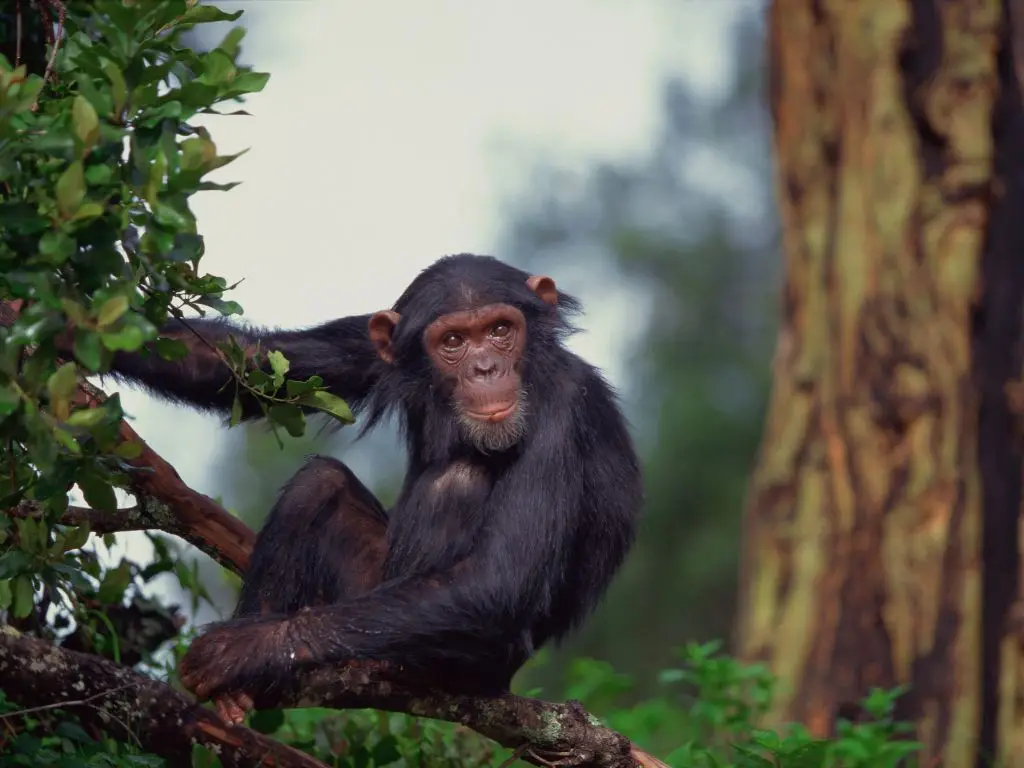
- Wildlife Sanctuary Insights: Visits may include the Sweetwaters Chimpanzee Sanctuary and meeting Baraka, the blind black rhino ambassador.
Culture & Community
- Maasai & Samburu Traditions: Engaging with local communities through storytelling, music, and exploring traditional land stewardship.
- Nanyuki Immersion: Exploring the local hub, including visits to the Equator and community markets.
- Student Exchanges: Participating in sports and cultural dialogues with local youth to understand shared conservation futures.
Adventure & Bonding
- Bushwalks: Guided explorations on foot to learn the "small print" of the bush—tracks, insects, and flora.
- Night Narratives: Evening game drives searching for the secret lives of nocturnal wildlife.
- Team Challenges: Creative talent shows, music nights, and collaborative games that turn a group into a community.
Camp Rhythm
Life at Ol Pejeta follows a soulful rhythm. Mornings begin with golden light hitting the stables as the group prepares for the day's "Kazi". Afternoons bring high-energy football matches or quiet reflection by the pool.
Evenings are the heart of the experience. Gathering around a crackling fire, students share songs, perform skits, and participate in reflection circles. These moments of play and vulnerability build the confidence and leadership needed to become true champions for change.
Optional Experiences
Depending on group interest and seasonal conservation needs, your journey may also include:
- Mt. Kenya Animal Orphanage: A day trip to assist with the care of rescued high-altitude wildlife.
- Horseback Safaris: Riding through the conservancy for a unique perspective on the landscape.
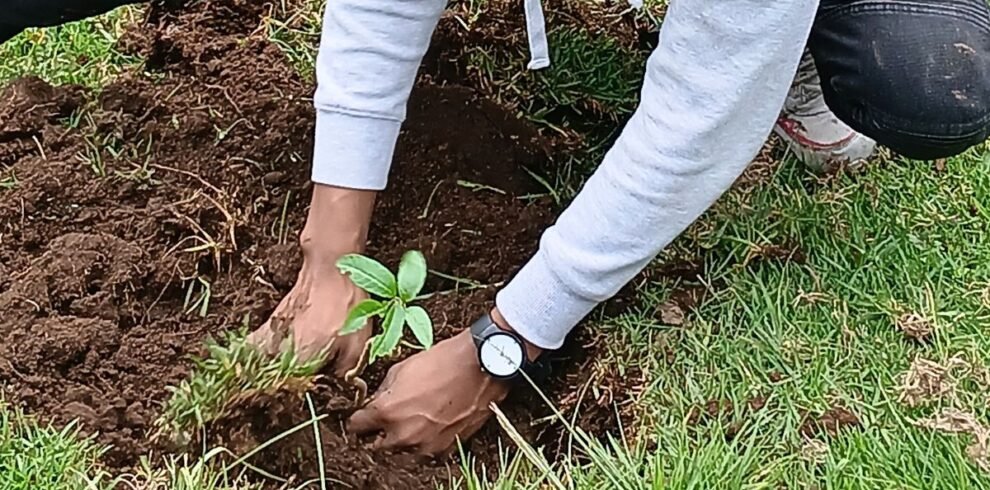
- Habitat Restoration: Contributing to the ecosystem through tree planting or vegetation monitoring.
- Conservation Debate: Leadership circles focused on the ethics and future of African wildlife protection.
After days on the open savannah, the Ngare Ndare Forest offers a dramatic change of atmosphere, where 200-year-old trees form a green cathedral reaching into the clouds. Situated in the northern foothills of Mt. Kenya, this lush indigenous forest serves as a vital 3.5 km corridor that elephants have used for centuries to migrate between the Lewa Wildlife Conservancy and the Mount Kenya Forest Reserve.
For students, this is a lesson in vertical conservation. Towering cedars support a wide variety of life, from the elusive colobus monkey to over 200 species of birds, including the spectacular Narina trogon. Here, the student conservation safari shifts perspective from the wide plains to the intricate canopy, highlighting the fragility of forest ecosystems that provide water and passage for Kenya’s "Big Five".
Field Experiences
Conservation & Science
- Wildlife Corridor Study: Explore the actual paths used by elephants for generations and understand the importance of connectivity in modern conservation.
- Biodiversity Monitoring: Search for rare migratory birds and the elusive colobus monkey while documenting the forest's unique flora.
- Ecological Journaling: Use the tranquility of the ancient forest to record observations on habitat health and the role of indigenous trees in climate resilience.
Adventure & Bonding
- East Africa’s Longest Canopy Walk: Face your fears on a 450-meter suspended bridge 30 feet above the ground, ending at a high platform to view wildlife drinking from the swamp below.
- The Azure Pool Hike: A managed 3.5 km forest trek through steep but rewarding terrain that ends at six shimmering blue pools and a 30-foot waterfall.
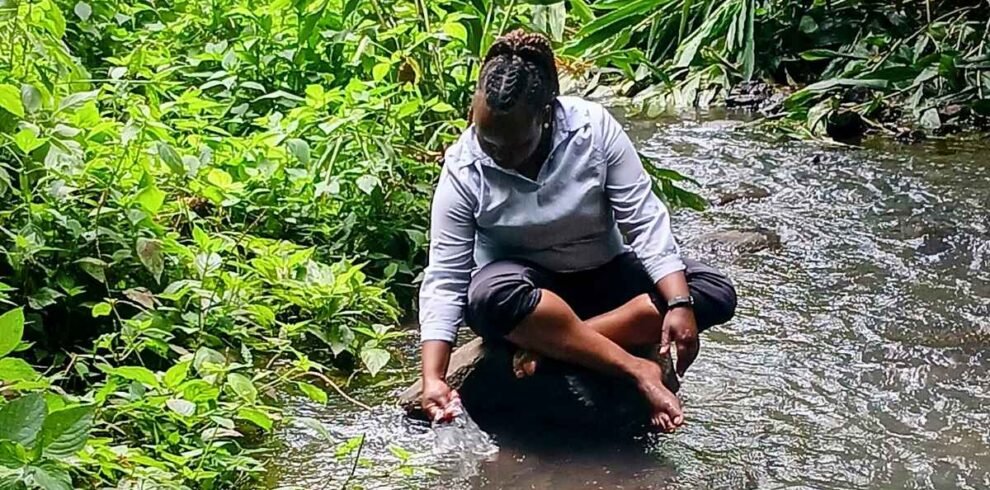
- Waterfall Immersion: Celebrate the journey by swimming and relaxing in the crystal-clear natural pools hidden deep within the forest.
- Rock Climbing: For those seeking a challenge, the forest offers suitable rock faces for experienced climbers to test their skills.
Cultural Exchange & Reflection
- Forest Stewardship Dialogues: Discuss the history of the forest and how local communities act as the primary guardians of this "hidden gem".
- Storytelling & Connection: Engage with local guides who share the lore of the 200-year-old trees and the forest’s spiritual significance.
Camp Rhythm
The rhythm at Ngare Ndare is defined by the sounds of splashing water and the call of the Turaco. Students stay at forest campsites equipped with clean water, allowing them to fully disconnect from everyday stress and immerse themselves in the wild.
The final evening carries a powerful energy. Around the campfire, stories from the week are shared, and new friendships are cemented. In these closing moments, the adventure, culture, and conservation science coalesce into a single, unforgettable realization of the student’s own growth and global responsibility.
Why This Journey Matters
Ngare Ndare is a community-led success story. By participating in this program, students support the maintenance of the canopy bridge and the protection of the forest corridor. This experience builds future conservation leaders, inspiring young people to protect the natural world and understand the delicate ecological balance long after their journey ends.
After a final breakfast together, we begin the journey back to Nairobi. But you aren’t just heading home or back to school. You are leaving as a Global Ambassador for the Wild. You carry with you the stories of the northern white rhinos, the rhythms of the Maasai, and a new, lifelong commitment to protecting our natural world.