Quick Summary
- Purpose-driven travel in Kenya allows visitors to actively support wildlife conservation, community development, and ecosystem restoration.
- Activities include rhino and elephant tracking, citizen science, habitat restoration, marine conservation, and cultural exchanges.
- Immersive experiences are available across multiple regions, including Laikipia, Maasai Mara, Amboseli, Taita Taveta, and coastal conservancies like Lamu and Kilifi.
- Lodging options range from luxury lodges to eco-camps and traditional homestays, each contributing to local communities.
- Even short trips or budget stays can create a meaningful impact and leave travelers with experiences and stories that last far beyond the safari.
Discover a New Way to Safari in Kenya
Kenya has long been known as one of the best safari destinations in the world. From the vast plains of the Maasai Mara to the elephant-rich landscapes of Amboseli and the rugged beauty of Laikipia, travelers come to witness iconic wildlife and breathtaking scenery. Today, however, there is a powerful evolution in how people choose to experience Kenya. Apart from wondering where they can see the Big Five, travelers are also inquiring about purpose-driven travel in Kenya. They want to know:
- Where to travel responsibly in Kenya
- How to support wildlife conservation while on safari
- Whether it is possible to make a positive impact during a trip to Kenya
The answer to all these questions is YES!
It is possible to experience wildlife while actively contributing to conservation, community development, and ecosystem restoration through purpose-driven travel. It allows you to move beyond observation and step into meaningful participation. You still witness lions at sunrise, elephants crossing migration corridors, and rhinos grazing in protected sanctuaries. However, your presence now directly supports the programs keeping these landscapes thriving.
What Is Purpose-Driven Travel? A Kenyan Perspective
Purpose-driven travel means choosing experiences that give back to the landscapes and people who make your safari possible.
In Kenya, this approach is deeply connected to the country’s network of:
- National parks
- Private conservancies
- Community-owned conservation areas
These spaces not only protect endangered species, including the white and black rhinos, Grevy’s zebras, elephants, lions, and others, but they also help fund schools, water projects, clinics, women and youth initiatives, and local livelihoods.
The best part is that when you choose this kind of travel, none of the magic of the traditional safari is replaced. Instead, it deepens. You leave with more than photographs and a deep understanding of the context. You learn how conservation works, how communities benefit, and how tourism plays a role in sustaining these systems. It is a more rewarding and emotionally resonant experience.
Why Purpose-Driven Travel Is Gaining Momentum
Across the world, travel is changing for most people. More travelers are asking thoughtful questions before booking a trip. For example:
- Where does my fee go?
- Who benefits from my visit?
- Can I experience meaningful, responsible safaris?
Making an informed choice about where and how you travel greatly influences whether your safari has a direct impact on wildlife protection, community livelihoods, and ecosystem preservation.
And guess what? Kenya is your go-to destination for purpose-driven travel because tourism and conservation are intertwined.
A Global Shift Toward Meaningful Travel
Modern travelers are moving beyond checklist tourism.
Seeing the Big Five remains thrilling. Watching the Great Migration remains unforgettable.
However, many visitors now want to understand what sustains these experiences. They are searching for:
- Responsible safari travel in Kenya
- Eco-friendly lodges that support conservation
- Wildlife safaris that benefit local communities
- Authentic cultural experiences rooted in respect
This shift reflects broader global conversations about sustainability, climate resilience, and ethical tourism. Travelers increasingly recognize that their choices matter.
A New Definition of Luxury
Luxury is evolving. It is no longer defined only by thread count, infinity pools, or gourmet dining. And while comfort is still crucial during a luxury safari, it’s now mostly defined by the depth of experience.
What, for example, would this kind of luxury travel mean in Kenya? It can be:
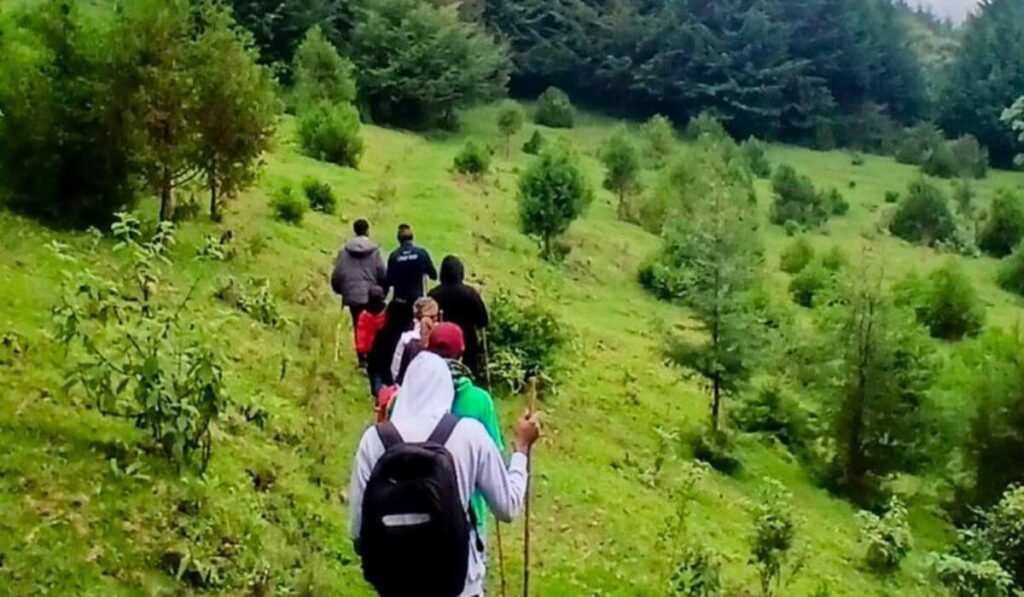
- Walking with a knowledgeable guide who explains how elephants use migration corridors
- Learning from community leaders about how tourism supports education
- Visiting a conservation center and understanding how rhinos are identified and monitored
- Experiencing a low-density conservancy where wildlife encounters feel intimate and unhurried
Perspective, not just photos, becomes the ultimate souvenir.
Travel rooted in access, understanding, and connection allows the privilege of insight, the opportunity to witness conservation in action, and the knowledge that your stay contributes to its success.
From Sustainability to Regeneration
Sustainable travel has long been about minimizing harm. Today, however, this conversation has expanded to restoration and resilience.
In Kenya, this regenerative approach can include:
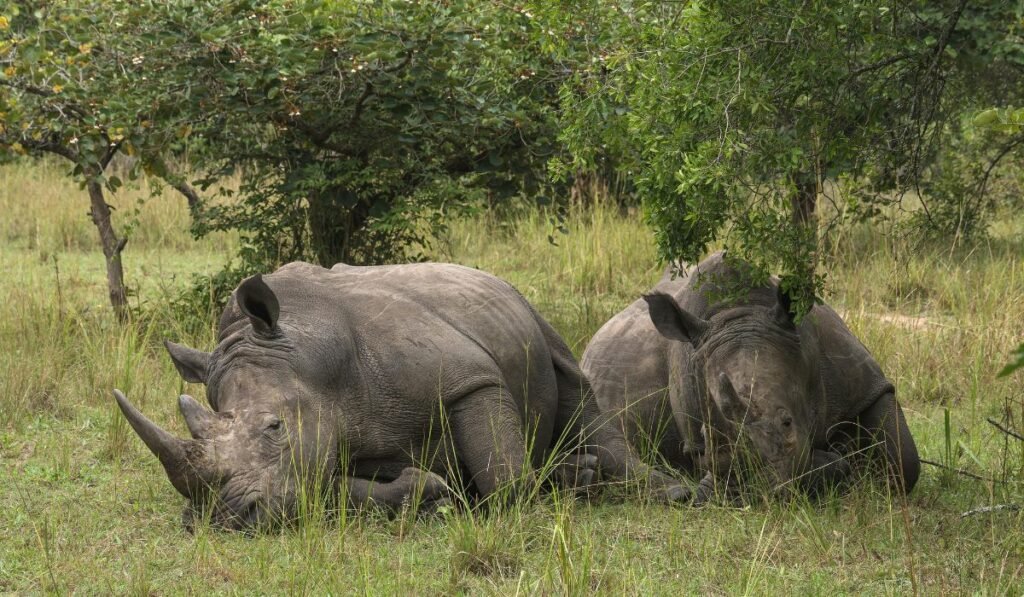
- Supporting conservancies that expand rhino habitat and protect predator corridors
- Contributing to rangeland management practices that balance livestock and wildlife
- Engaging with community-led water, health, or education initiatives
- Participating in ecological monitoring that informs long-term conservation planning
Instead of simply reducing impact, purpose-driven safaris aim to strengthen ecosystems and communities. They recognize that conservation is not static and requires continuous investment, learning, and collaboration.
When visitors choose experiences aligned with regeneration, they become part of a larger story. They help sustain landscapes that support elephants, lions, rare antelopes, marine biodiversity, and the people who live alongside them.
Why Kenya Is at the Center of This Movement
Kenya stands out globally for its extensive network of community conservancies, private wildlife areas, group and marine reserves, and national parks. Conservation here is not isolated from local livelihoods but deeply connected to them.
This makes Kenya uniquely positioned for travelers seeking responsible safaris that support wildlife conservation and local communities.
Traditional Safari vs. Purpose-Driven Safari
| Traditional Safari in Kenya | Purpose-Driven Safari in Kenya |
| Wildlife viewing | Conservation participation |
| Lodge-based stay | Conservancy-based immersion |
| Passive observation | Active learning |
| Comfort-focused luxury | Impact-aligned luxury |
| Short-term tourism | Long-term ecosystem support |
The Luxury with Purpose Movement in Kenya: Real-World Examples of Purpose-Driven Safaris
The Lewa-Borana Landscape
The Lewa-Borana Landscape in northern Kenya is a world-leading example of wildlife conservation and community development. Home to endangered species such as black rhinos, Grevy’s zebras, and elephants, Lewa-Borana also demonstrates how tourism revenue can directly support local communities.
While staying in lodges within the conservancy, you can see how the fees funds schools, healthcare, and water projects, benefiting surrounding Maasai and Samburu families. The impact does not stop there because you can also participate in immersive conservation activities:
- Walk alongside rangers on anti-poaching patrols
- Monitor lion and elephant populations as part of citizen science programs
- Visit a water project and learn about their efforts to provide water access to local communities and their livestock. Tour their farm and witness the positive impact of sustainable agricultural practices on local communities.
Lewa-Borana demonstrates how a safari can be both luxurious and purpose-driven, where every visit contributes to a living conservation story.
Ol Pejeta Conservancy
Ol Pejeta Conservancy in central Kenya is home to the last two northern white rhinos, lions, and other endangered species. It’s a hub for wildlife protection.
Beyond preserving species, Ol Pejeta plays a critical role in supporting local communities, funding education, healthcare, and water projects through tourism.
Visitors can engage in hands-on, meaningful experiences, including:
- Participate in rhino monitoring and observe anti-poaching operations with trained rangers
- Witness dog tracking demonstrations used to protect wildlife from poaching threats
- Explore the balance of livestock and wildlife through integrated conservation tours
The conservancy allows travelers to be part of the story, where their actions directly contribute to protecting endangered species and the prosperity of local communities. Guests leave with memories, a sense of connection, accomplishment, and purpose.
Community and Coastal Conservation
In Northern Kenya, initiatives such as the Reteti Elephant Sanctuary within Namunyak Conservancy, demonstrate community-led wildlife stewardship. The sanctuary rehabilitates orphaned elephants and returns them to the wild where possible. Access is structured and typically arranged through partner properties operating in the region.
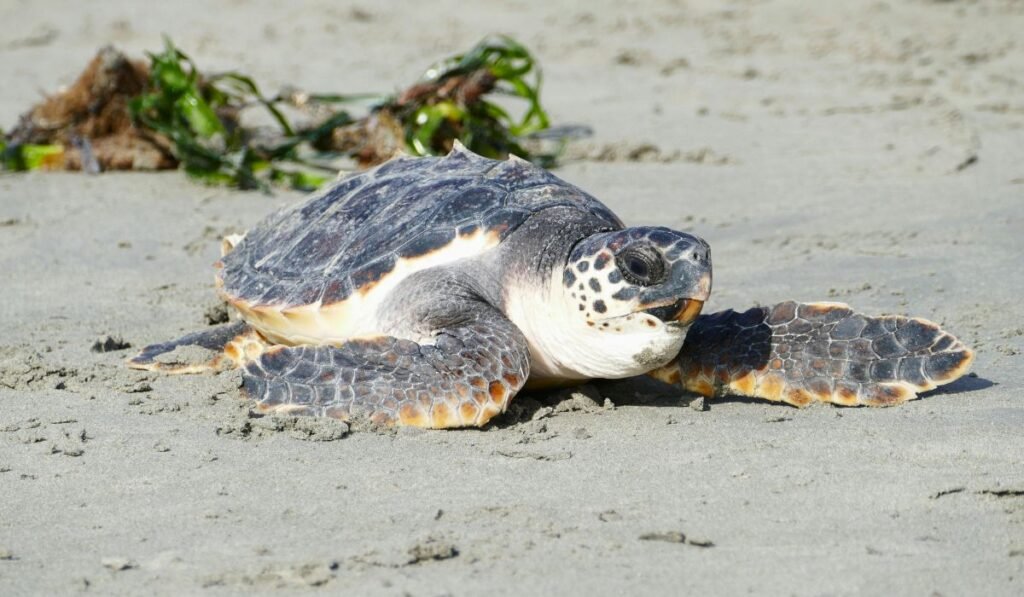
Along the coast near Lamu, marine conservation initiatives and protected areas, like Kiunga Marine National Reserve, focus on mangrove protection, coral reef preservation, and sea turtle monitoring.
Other top regions for purpose-driven safaris in Kenya include:
- Laikipia: Ol Pejeta, Lewa, Borana, Loisaba, Il Ngwesi, Mpala
- Samburu: Samburu National Reserve, West Gate, Kalama
- Marsabit: Sera, Melako, Jaldesa
- Garissa: Ishaqbini Hirola Community Conservancy
- Coastal regions: Kiunga, Kuruwitu, Tana Delta
- Southern Kenya: Taita Taveta, Lumo, Taita Hills
- Amboseli & Kajiado: Amboseli NP, Selenkay, Satao Elerai, Shompole
- Narok & Maasai Mara: Mara North, Olare Motorogi, Lemek, Nashulai Maasai, Enonkishu
- Other hubs: Meru, Kisumu, Trans-Nzoia
The Pillars of Purpose-Driven Travel in Kenya
These pillars ensure your safari experience creates measurable value for wildlife, ecosystems, and communities.
1. Conservation That Protects Biodiversity
Kenya is home to some of Africa’s most important conservation landscapes. From rhino sanctuaries in Laikipia to elephant corridors in southern Kenya and marine reserves along the coast, conservation is at the heart of purpose-driven travel.
This pillar focuses on:
- Protecting endangered species such as black rhinos, Grevy’s zebras, and big cats
- Safeguarding migration corridors for elephants and other wildlife
- Supporting anti-poaching initiatives and wildlife monitoring programs
- Preserving wetlands, forests, savannas, and coral reefs
When travelers stay in conservancies or lodges that reinvest in conservation, their safari fees directly support ranger salaries, research programs, habitat management, and anti-poaching initiatives.
2. Community Empowerment and Shared Prosperity
Wildlife conservation in Kenya is closely tied to the well-being of the communities surrounding the conservancies. Many of these conservancies are community-owned or operate in partnership with local pastoralist groups.
Purpose-driven travel encourages visitors to:
- Visit schools or conservation education centers
- Learn about youth conservation programs
- Understand how communities manage grazing alongside wildlife
- Support women’s groups and local enterprises linked to tourism
Conservation succeeds when communities benefit. Tourism revenue, therefore, supports schools, health clinics, water access projects, and sustainable agriculture initiatives.
3. Ecological Responsibility and Sustainable Land Use
Kenya’s landscapes include savannas, drylands, forests, wetlands, and marine ecosystems. Purpose-driven travel supports sustainable management of these environments.
This may include:
- Participating in vegetation and rangeland monitoring
- Learning about water conservation projects
- Supporting reforestation or habitat restoration efforts
- Engaging with marine conservation programs along the coast
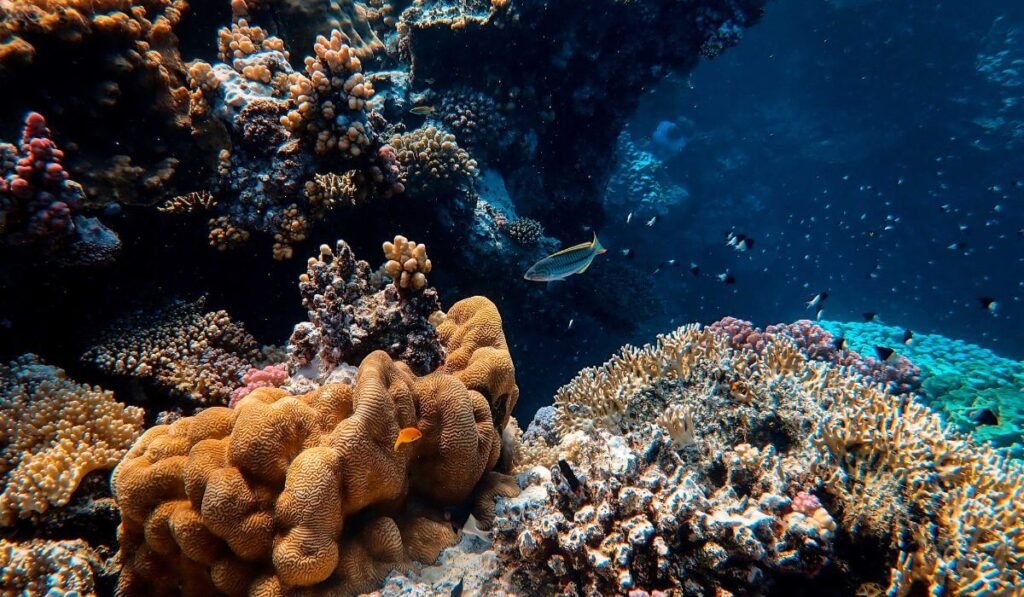
Sustainable tourism ensures that wildlife habitats remain intact while minimizing environmental impact. It also helps travelers understand the science behind ecosystem management.
4. Meaningful Engagement and Education
Here, the focus is on immersive, educational experiences. Purpose-driven travel invites guests to move beyond passive observation and into active learning.
You can:
- Walk with trained guides to understand animal tracking techniques
- Observe conservation teams identifying rhinos or monitoring predators
- Learn how elephant corridors reduce human-wildlife conflict
- Visit a community project that demonstrates how tourism supports development
These experiences create what many travelers describe as a deeper emotional connection. You return home not only inspired by Kenya’s beauty but informed about its challenges and hopeful about its future. Your engagement transforms your trip into a story of participation and shared responsibility.
5. Hotels, Lodges, and Community Stays
Whether you prefer luxury lodges, mid-range eco-camps, or simple tented accommodations, your choice of lodging will influence conservation and community well-being.
- Community-Embedded Lodges: Properties in Lewa-Borana, Sarara Camp, and other community-run conservancies often share ownership or profits with local communities. Staying here supports rangers, schools, and healthcare initiatives. Your visit is not just a night’s stay but a direct contribution to sustainable development.
- Eco-Friendly Camps and Tented Stays: For travelers seeking immersion in nature, tented camps offer the chance to live closer to the wildlife you help protect. Imagine sleeping under a starlit African sky, hearing distant elephant calls, and knowing your visit funds conservation efforts.
- Cultural Homestays: Some programs allow guests to stay in traditional homesteads, engaging in daily life, cooking, beadwork, or learning traditional dances. This type of stay fosters genuine cultural exchange and understanding while supporting local livelihoods.
- Luxury with Purpose: Even high-end lodges now pair comfort with responsibility. Private safari tents, infinity pools, and gourmet meals are combined with opportunities for guided walks, wildlife tracking, and community projects, creating a seamless blend of indulgence and impact.
Real Ways You Can Make an Impact on Safari in Kenya
Across Kenya’s private conservancies and coastal regions, purpose-driven travel is built around structured, ethical engagement. While core conservation operations are led by trained professionals, many lodges and conservancies offer behind-the-scenes access, educational experiences, and supervised participation that allow guests to meaningfully connect with conservation and community initiatives.
Here are real examples of what you can take part in.
Wildlife Monitoring and Conservation Access
In conservancies such as Lewa, Borana, Ol Pejeta, and Olderkesi in the Maasai Mara, guests can gain rare insight into frontline conservation.
Depending on where you stay, you may be able to:
- Encounter the last two northern white rhinos at Ol Pejeta and learn about the advanced protection strategies surrounding them
- Participate in structured rhino monitoring activities under ranger supervision
- Visit the radio room at Lewa to understand how security teams coordinate wildlife protection
- Meet tracker dog units and witness scent-tracking demonstrations that support anti-poaching efforts
- Learn about elephant migration corridors and visit innovative solutions such as Lewa’s elephant underpass
- Join conservation education sessions focused on species protection and ecosystem management
- Take part in reforestation initiatives such as seedball dispersal in selected conservancies
Guests do not join armed patrols, but they gain a realistic understanding of how wildlife security systems function and how tourism directly funds them.
Guided Wilderness Experiences in Private Conservancies
Private conservancies offer activities that are not permitted in national parks, creating opportunities for deeper ecological learning.
These may include:
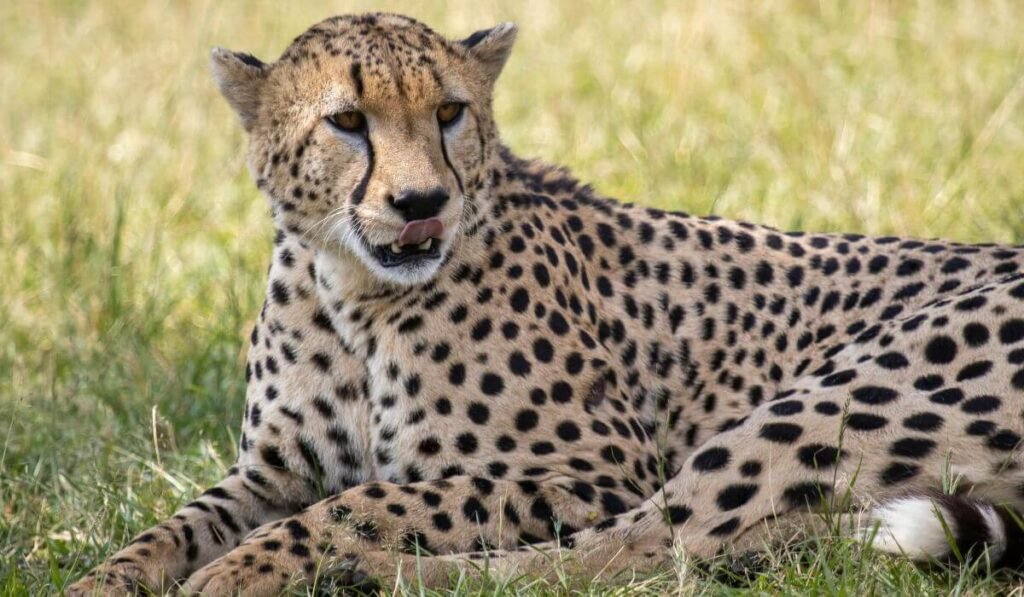
- Educational cheetah and raptor conservation experiences in the Maasai Mara
- Helicopter conservation flights with organizations such as the Mara Elephant Project
- Bird walks and immersive photography-focused safaris
- Unrestricted guided game drives across vast conservancy landscapes
- Guided bush walks led by trained Maasai or Samburu guides
- Foraging and medicinal plant walks rooted in indigenous knowledge
- Learning from female ranger units protecting areas such as Olderkesi Conservancy
These experiences move beyond wildlife viewing and focus on understanding conservation in action.
Community-Led Conservation and Cultural Engagement
Many conservancies are community-owned or operate through partnerships with local groups. Tourism revenue directly supports education, healthcare, and sustainable livelihoods.
Meaningful engagement may include:
- Visiting nomadic or conservancy-supported schools and meeting education program staff
- Visiting community health clinics funded by conservation revenue
- Learning about sustainable agriculture and water access projects
- Touring demonstration farms focused on regenerative practices
- Honoring traditions such as the Samburu Singing Wells
- Spending time beading with Samburu or Maasai women and learning the cultural significance of their craftsmanship
- Participating in structured Maasai Warrior School experiences
- Visiting local villages through guided, ethically managed cultural visits
These experiences are designed to be respectful, locally led, and educational rather than performative.
Marine Conservation and Coastal Impact
Along Kenya’s coast in places such as Diani, Kuruwitu, Watamu, and Kilifi, marine conservation initiatives offer meaningful guest involvement.
Through trusted partners, guests may:
- Join coral regeneration projects involving plug creation, coral gardening, and artificial reef building
- Snorkel in locally managed marine areas while learning about reef restoration
- Adopt a coral and track its growth through reef restoration programs
- Participate in turtle monitoring patrols and hatchling releases under trained supervision
- Join organized beach clean-ups in collaboration with local NGOs
- Visit marine education centers to understand reef ecology and ocean conservation
- Support community projects such as building energy-efficient jiko stoves
- Assist in maintaining vertical gardens that provide alternative food sources to fishing communities
All marine activities are guided by trained conservation staff and follow strict ecological protocols.
Immersive and Responsible Safari Experiences
Purpose-driven travel also includes experiential activities that deepen connection while supporting conservation economies.
Depending on your itinerary, these may include:
- Sunrise walking safaris with bush breakfasts
- Horseback safaris in designated conservancy areas
- Wilderness runs or walks with Maasai guides
- Stargazing experiences under low-light pollution skies
- Organic garden tours and sustainability briefings at eco-conscious camps
- Evening conservation talks on raptors, pangolins, predator conflict, and ecosystem health
- Seedball dispersal or small-scale habitat restoration activities
These experiences support low-density tourism models that prioritize land protection and community revenue.
Extending Your Impact Beyond the Safari
Your involvement can continue long after your return home.
Many guests choose to:
- Adopt an elephant through Reteti Elephant Sanctuary or the David Sheldrick Wildlife Trust
- Support rhino conservation programs in Lewa or Ol Pejeta
- Sponsor ranger teams, tracker dogs, or conservation equipment
- Contribute to school scholarships or healthcare outreach initiatives
This transforms a safari from a one-time journey into an ongoing conservation relationship.
Purpose-Driven Travel Is for Everyone
Purpose-driven travel in Kenya is not reserved for luxury travelers but for anyone who wants their journey to matter.
Whether you stay in a high-end lodge overlooking a savannah, a comfortable eco-camp in the bush, or a simple tent under the stars, the impact you create comes from intentional engagement, not your budget or accommodation.
The Transformative Power of Immersive Experiences
Immersive experiences transform a Kenyan safari from one that’s all about observation to active participation.
- When you walk alongside rangers tracking rhinos and elephants, you see the dedication required to protect these animals
- When you join youth conservation programs or school visits, you witness firsthand how tourism supports education and future leaders
- Walking with the K9 anti-poaching unit, assisting with vegetation monitoring, or observing lion behavior on night safaris creates a connection that goes far beyond photographs
- Guests often describe returning home with a deep sense of emotional investment in the animals, the rangers, and the communities they have met
- There is an opportunity to follow the progress of your activities long after you have returned home.
- For example, if you adopt an elephant in Reteti Elephant Sanctuary, you receive regular updates by SMS, photos, videos, and emails about your ‘elephant’.
- At the David Sheldrick Wildlife Trust, you get detailed updates on the Orphans Project delivered directly to your inbox, including stories, photos, and highlights after you adopt an orphan. You also have exclusive access to their content library, where you can download images and more
Immersive experiences allow you to understand ecosystems as interconnected networks, from elephants moving along migratory corridors to the communities that share their land with wildlife. These experiences are not just memorable moments; they create a lasting understanding of conservation and personal responsibility.
Even short engagements, such as planting trees or a one-day experience of conservation spots in Nairobi, create lasting memories and a sense of personal accomplishment. Immersive experiences leave you with not just photos but stories, relationships, and a sense of contribution that endures long after the journey ends. This emotional dividend is what makes purpose-driven travel in Kenya truly transformative.
How to Choose a Purpose-Driven Safari in Kenya
Here’s how to make the right choices when selecting a purpose-driven safari:
- Prioritize Community-Based Conservancies: Look for safaris in Lewa-Borana, Ol Pejeta, Ol Kinyei, Sera Conservancy, and others that reinvest tourism revenue into wildlife protection, ranger salaries, education, and community projects. Ensure your visit makes a tangible difference
- Engage in Immersive Activities: Ask your operator about activities you can take part in, depending on the locations you want to visit. These can range from rhino tracking, walking safaris, citizen science projects, bird and plant monitoring, habitat restoration, cultural exchanges, and more
- Consider Accommodation Impact: Choose lodges and camps that reinvest profits locally or support conservation initiatives
- Seek Authentic Cultural Experiences: Avoid staged “tourist villages.” Instead, interact with communities with whom your operator has long-term relationships. Cooking, crafts, school visits, and sharing stories are ways to engage respectfully and meaningfully
- Align Your Goals with the Safari: Decide whether you want to focus on wildlife protection, environmental restoration, or community support. This helps create a tailored, purpose-driven itinerary that matches your personal impact goals
Planning Your Purpose-Driven Safari: Aligning Your Goals with the Safari
At Offbeat Experiences, we curate purpose-driven safaris based on:
- Your conservation interests
- Desired immersion level
- Budget and preferred regions
- Travel timeframe
When values align with the itinerary, your safari becomes more than a holiday. It becomes a meaningful contribution.
Ready to Plan Your Purpose-Driven Safari?
Kenya offers more than iconic wildlife. It offers the chance to travel with purpose.
It offers more than sightseeing, and you can experience participation, connection, and shared responsibility.
As you plan your next safari, consider where to go, how you will show up, what connections you will make, what wildlife you will help protect, and how your presence can leave a positive legacy.
Frequently Asked Questions About Safaris that Leave an Impact in Kenya
Not necessarily. While some high-end lodges offer exclusive access, many mid-range or community-based accommodations provide meaningful experiences at more accessible prices. Activities like school visits, habitat restoration, or wildlife monitoring can be included without luxury pricing.
Yes, you can. In some areas, lower vehicle density allows for walking safaris and night drives, enhancing your wildlife experience.
You can visit local schools, participate in youth conservation programs, join women’s cooperatives, or attend cultural activities that support community livelihoods. Conservancies across Kenya, including Samburu, Kajiado, Taita Taveta, and Laikipia, provide opportunities for respectful cultural exchange.
Guests can assist with rhino and elephant monitoring, predator tracking, bird and plant surveys, habitat restoration, and anti-poaching efforts. In coastal areas, such as Lamu and Kilifi, visitors can participate in marine conservation, including sea turtle protection and coral reef monitoring.
Absolutely. Even a week-long safari focusing on one conservancy, such as Lewa-Borana or Ol Pejeta, allows deep engagement through wildlife tracking, habitat restoration, and community programs. The quality of participation matters more than duration.
Look for experiences that involve real learning and engagement rather than staged shows.
You can sponsor rangers, donate, adopt animals, or support ongoing community projects, extending your impact beyond the trip.