Conservation & Community Safari
Quick Facts
| Trip Detail | Information |
| Duration | 3 Days / 2 Nights |
| Destination | Olderkesi Conservancy & Maasai Mara Ecosystem |
| Accommodation | Cottar’s 1920s Camp |
| Travel Style | Conservation • Wildlife • Culture • Walking Safari |
| Departure Point | Nairobi |
| Fitness Level | Easy to Moderate |
| Family Friendly | Yes |
| Solo Travelers | Welcome |
| Private Safari | Available |
| Best Time to Visit | Year Round |
| Ideal For | Wildlife Lovers, Conservation Travelers, Families, Photographers, Curious Explorers |
A Quieter Side of the Mara: Cottar’s Maasai Mara Conservation Safari
Three Days in Olderkesi Conservancy & Vital Wildlife Corridors
Beyond the busier safari routes lies Olderkesi Conservancy, a vast, community-owned landscape bordering the Maasai Mara National Reserve. Wildlife moves freely across these plains, following ancient pathways that existed long before boundaries were drawn on maps.
For over a century, the Cottar family has pioneered wildlife guiding in East Africa. As one of the few remaining family-run legacies in the Mara, they offer you rare access to the people, science, and history shaping modern Kenyan conservation.
Over three days, you will step away from the crowds to track wildlife on foot, join rangers on patrol, and see how a modern community conservancy operates. You will leave with great photographs, but more importantly, a clear understanding of what it takes to keep the Mara wild.
Why This Place?
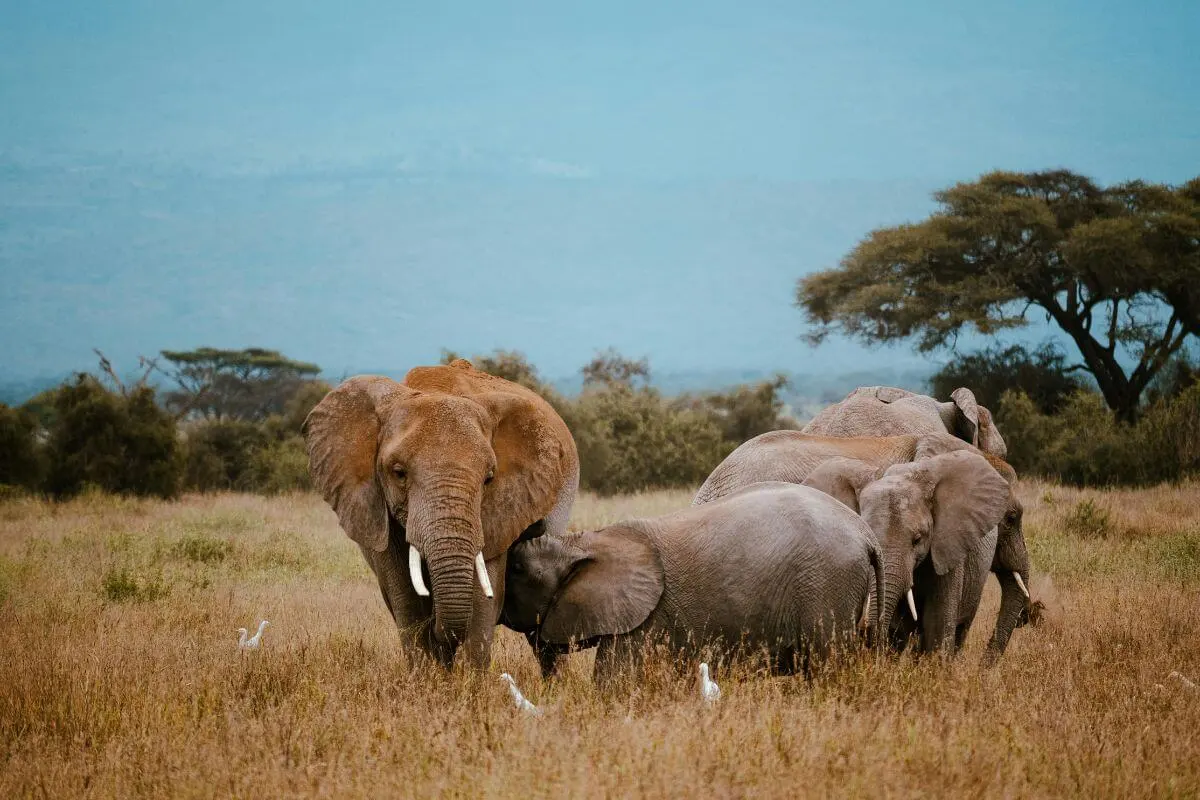
The Maasai Mara is one of Africa’s most celebrated wildlife destinations, yet many visitors never see the surrounding landscapes that make the reserve viable. Here, animals do not recognize park boundaries, and elephants, lions, cheetahs, and wildebeest move across a massive ecosystem that relies heavily on community lands and seasonal migration corridors.
Olderkesi Conservancy safeguards a vital migration corridor while providing steady income to Maasai landowners. For travelers, this means private wilderness access: no vehicle crowds, off-road tracking freedom, night game drives, and guided walking safaris.
About Cottar’s 1920s Camp
Cottar’s 1920s Camp sits under a canopy of ancient trees, entirely unfenced from the surrounding wild. The classic canvas tents are styled with authentic campaign furniture and brass antiques, offering sweeping views of the plains. With animals regularly moving past the tents, your day is entirely dictated by the natural sights and sounds of the conservancy.
The camp combines classic elegance with a fierce commitment to sustainability. Widely respected for its expert guiding and conservation leadership, Cottar’s gives guests access to a wide variety of daily activities:
- Morning and evening game drives in open 4x4s
- Guided bush walks and wilderness runs
- Night drives to spot nocturnal wildlife
- Educational sessions on cheetah and raptor protection
- Conversations with female wildlife rangers
- Visits to the organic garden and reforestation seedball dispersal
- Traditional Maasai cultural encounters
- Bush dining, stargazing, and wellness treatments
Why This Maasai Mara Conservation Safari Matters
Wild places require active protection. In Olderkesi, community rangers secure critical wildlife corridors, look after elephant pathways, and monitor big cat populations daily. Because local Maasai families receive direct income from this protection work, keeping the land open for wildlife makes collective sense. Your stay directly funds these daily patrols and habitat restoration efforts.
The grasslands support thriving populations of big cats, elephants, and giraffes. At the same time, local Maasai families receive direct financial benefits for keeping their land open for wildlife rather than converting it to agriculture. During your stay, you will see how wildlife corridors function, chat with the people protecting the plains, and witness firsthand how thoughtful travel supports both people and nature.
Why This Maasai Mara Safari Feels Different
While you will still search for iconic predators, your time here focuses on the finer details of the bush. You can head out on foot with a tracker to decode prints in the dust, walk the boundaries with the female ranger unit, or join a campfire discussion about the future of the ecosystem.
The memories that stay with most travelers are often the quiet ones, the unhurried conversations, and the clear perspective that comes from spending time in a place rather than simply passing through it.
Our Values in Action
Why Travel With Offbeat Experiences?
We do not believe in superficial travel. We design trips that actively sustain the environments and cultures you visit, ensuring your presence leaves a lasting, positive footprint on the land.
- Conservation as a Standard: We partner exclusively with camps and community conservancies that actively fund habitat protection, pay fair land leases, and support local well-being. Your stay directly drives these on-the-ground initiatives.
- True Insight Over Sightseeing: A great trip should change how you see the world. We build time into our itineraries for you to talk with researchers, walk with local protectors, and truly understand how these ecosystems work.
- Uncompressed, Flexible Pacing: Mass tourism rushes from place to place, but we prioritize space and quiet. Every itinerary is individually tailored to your personal pace, curiosity, and comfort.
- Rooted Local Knowledge: The people hosting you are not onlookers; they live and work in these landscapes. By traveling with us, you gain access to authentic, first-hand perspectives that you simply cannot find in a guidebook.
Conservation Experiences on the Maasai Mara Conservation Safari
Depending on local schedules and availability during your visit, you will have the opportunity to learn about:
- Female ranger protection initiatives
- Cheetah monitoring and predator tracking
- Vulture and raptor preservation projects
- Community-led land management models
- Sustainable tourism and carbon-reduction practices
- Reforestation and habitat restoration
- Methods for reducing human-wildlife conflict
- Mapping and guarding traditional wildlife corridors
- Indigenous environmental knowledge is passed down through generations.
What To Bring on this Maasai Mara Conservation Safari
- Neutral-colored clothing (khaki, green, or beige)
- Comfortable, sturdy walking shoes
- A light jacket or fleece for cool mornings and evenings
- Sun hat, sunglasses, and sunscreen
- Camera, binoculars, and a reusable water bottle
- Personal medication
Fitness Level for the Maasai Mara Conservation Safari
Easy to Moderate. Most activities are perfectly suited for travelers with an average level of fitness. Guided bush walks can easily be adjusted to match your personal pace and comfort.
Continue Your Conservation Journey
Many travelers leave the Mara wanting to see more of Kenya’s protected spaces. You can easily extend your trip with:
- Ol Pejeta Conservation Safari: Meet the world’s last northern white rhinos and see how community engagement protects endangered species.
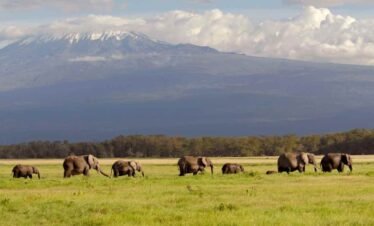
- Amboseli Conservation Safari: Watch elephant herds move beneath Mount Kilimanjaro while exploring community wildlife corridors.
- Great Rift Valley Conservation Journey: Discover volcanic landscapes, freshwater lakes, and local community sanctuaries.
- Kenya Conservation Collection: Combine the Maasai Mara, Amboseli, Ol Pejeta, Laikipia, and the Great Rift Valley into a comprehensive exploration of Kenya’s natural highlights.
Highlights
What to Expect during your Maasai Mara Conservation Safari
Highlights
- Stay at the award-winning Cottar's 1920s Camp in the private Olderkesi Conservancy
- Experience one of Kenya's leading community conservation success stories
- Enjoy guided wildlife drives across the Maasai Mara ecosystem
- Walk through the bush with expert guides in an area where walking safaris are permitted
- Learn from conservation teams, guides, and community members
- Explore wildlife-rich landscapes with fewer vehicles than the main reserve
- Search for elephants, lions, cheetahs, leopards, giraffes, and more
- Experience night drives in the conservancy
- Visit local Maasai communities and gain insight into life beyond the safari vehicle
- Witness how tourism helps protect wildlife habitat and supports local livelihoods