What If Your Safari Could Do More Than Just Show You Wildlife?
Most travelers come to Kenya hoping to see wildlife in its natural habitat, and Kenya consistently delivers that experience. However, many are now asking a different question: “Can my safari actually make a difference?”
They want an experience that matters for their memories and for the places they visit. That shift in mindset is what opens the door to a very different kind of journey; one that moves across landscapes, not just sightings. It’s why many now seek out the best conservation safaris.
From Watching to Understanding
A traditional safari is about observation. You go on game drives, see the animals, and take in the beauty of the wild. It’s a classic for a reason.
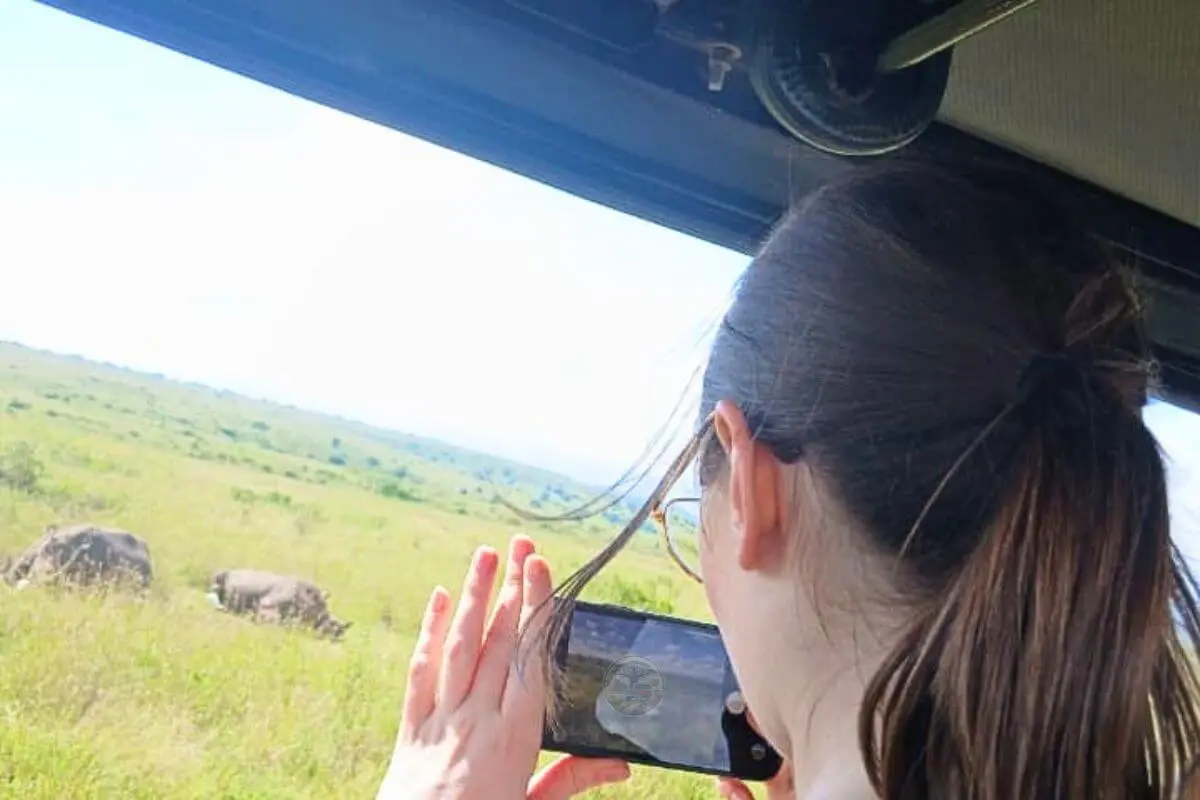
However, a conservation safari adds a deeper layer. Specifically, it focuses on understanding the systems that keep the wild alive. It asks:
- Who is protecting these animals?
- What challenges do they face daily?
- How does your visit fund their survival?
Instead of just watching a story, you’re invited to see how it is written, and why it still matters today.
Why This Matters Now
This shift in perspective raises a bigger question: how do you choose a trip that creates real, ethical impact?
Conservation is no longer simple. Instead, it’s a delicate balance between local communities, field scientists, and the rangers on the front lines.
In Kenya, most of the vital wild spaces exist because travelers choose to visit responsibly. When you choose a conservation-led trip, your safari becomes part of the solution. It provides the long-term funding needed to keep land wild and animals safe.
A Deeper Way to Travel
This isn’t about giving up the “classic” safari experience. Rather, it’s about making it more meaningful. You get the same breathtaking sightings, but with added layers:
- Context behind every animal you see.
- Connection with the people working on the ground.
- Contribution that lasts long after you fly home.
It is the difference between watching a movie and being part of the cast.
Now, let’s look at what this guide will deliver as you navigate your options:
What This Guide Covers
We’re going to answer the questions travelers are already asking:
- What does a conservation safari entail?
- Where are the best places in Kenya to experience this?
- How do you choose a trip that has a real, ethical impact?
- Can travelers truly make an impact?
By the end, you will not only know where to go; you will also understand why it matters, and what sets the best conservation safaris apart.
What Is a Conservation Safari? (And How Is It Different?)
That question naturally leads to a closer look at what a conservation safari actually is, and how it differs from a traditional safari experience.
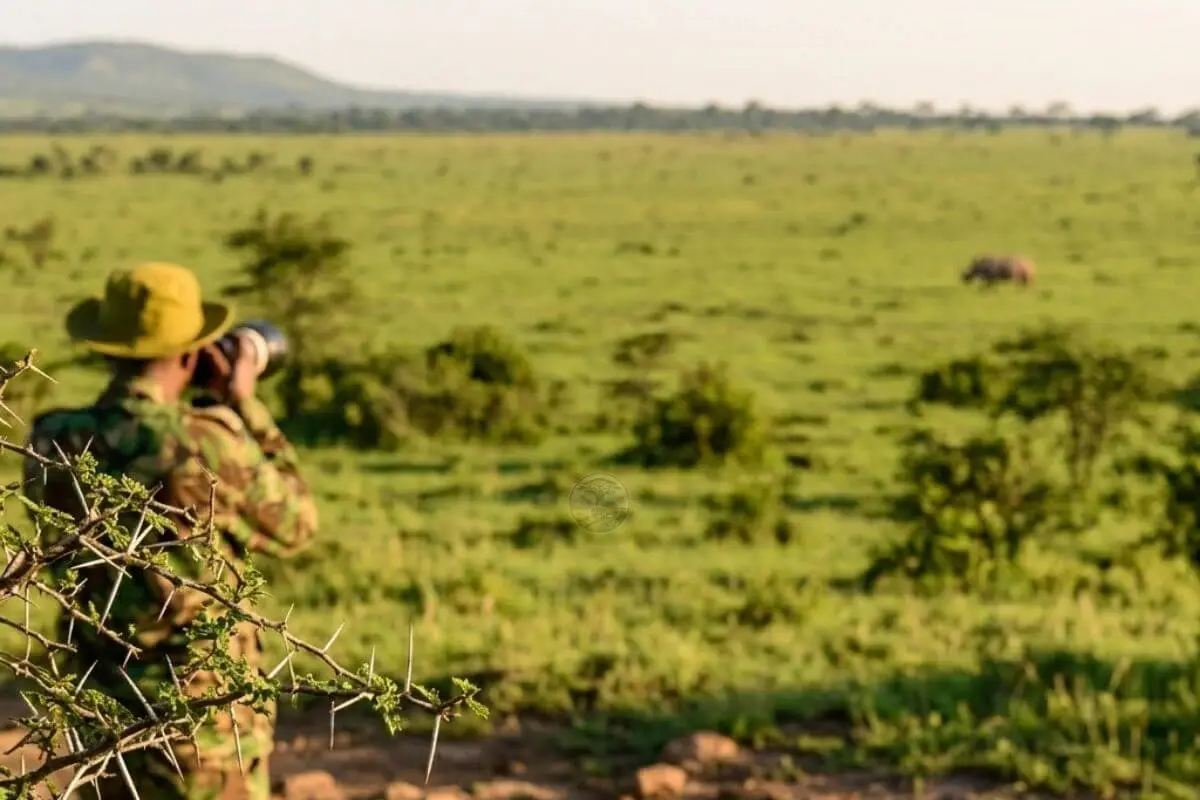
Most people hear the term “conservation safari” and assume it’s just a standard trip with a small donation attached. While that’s a start, it isn’t the whole picture.
A Simple Definition: In Kenya, a conservation safari is an experience where you don’t just see the wildlife. In fact, the best conservation safaris go a step further. They help you understand what you are protecting, what it takes to protect it, and how your visit directly funds that effort.
It blends high-quality wildlife viewing, behind-the-scenes access, and genuine education. However, the real difference is not in what you do, but in the intention behind the experience.
The Key Difference: Observation vs. Participation
It helps to look at how these two experiences differ in their focus.
The Traditional Safari
- Focus: Finding the “Big Five” and capturing the perfect photo.
- Experience: Beautiful game drives and stunning landscapes.
- Your Role: You are an observer of the natural world.
The Conservation Safari
- Focus: Understanding the wildlife and the systems that keep them safe.
- Experience: Game drives paired with behind-the-scenes access to research and protection.
- Your Role: You are an informed participant.
One isn’t “better” than the other, but each offers a different depth of connection to the landscape.
So what does participation look like?
One common misconception is that it means hard labor or formal volunteering.
It doesn’t. It means having guided access to real conservation work.
Depending on where you go, this can include:
- Wildlife Protection: Tracking lions with researchers, learning how anti-poaching units operate, or identifying rhinos alongside monitoring teams.
- Rehabilitation: Visiting elephant sanctuaries to understand the long, difficult journey of reintegrating an orphan back into the wild. Hearing individual animal rescue stories.
- Field Learning: Walking with rangers to learn how predators and prey interact and how an ecosystem actually functions.
- Community Insight: Meeting the people who live alongside wildlife to see how tourism supports their livelihoods and prevents conflict.
You aren’t there to do the work. Instead, you are there to see it, understand it, and support it.
Why Kenya is the Global Leader in This Model
Not every country can offer this level of access. In fact, Kenya stands out because conservation is deeply integrated into tourism.
Across the country, you’ll find:
- Privately managed conservancies
- Community-owned wildlife areas
- Research-driven conservation programs
- Rehabilitation centers and sanctuaries
This creates something rare:
The ability to experience conservation across multiple ecosystems and models in one journey
From city-based conservation in Nairobi, to large-scale protection in Laikipia, to community-led initiatives in northern Kenya, each place shows a different piece of the puzzle.
The Role of Tourism: Does Your Visit Actually Matter?
In Kenya, the answer is a resounding yes. In fact, conservation here isn’t just a government project; it is a living economy. Your presence provides the “fuel” for three critical areas:
- Funding the Front Lines: Protecting wildlife requires rangers, veterinary care, and monitoring tech. Tourism is often the primary source of these funds.
- Creating Incentives for Communities: People share this land with wildlife. For conservation to work, it must provide jobs and income for local families.
- Keeping Land Wild: Without the value that tourism brings, wild spaces are often converted to farms or developed. Your visit ensures the land remains a home for wildlife.
What a Conservation Safari Is NOT: It is not a “volunteer” program, a lecture-heavy classroom, or a staged performance. The best experiences are immersive and natural; they feel like a real conversation, not a script.
Which brings us to the next question: What do you gain from a conservation safari?
The Real Outcome: A Different Way of Seeing
At the start of a safari, wildlife is often the focus, but by the end of a conservation safari, something shifts. You begin to notice:
- The people behind the protection
- The systems behind each ecosystem
- The challenges behind every success
And that changes everything.
Because once you understand how it works… every sighting carries more meaning.
Why Choose a Conservation Safari in Kenya?
What would make a conservation safari worth it?
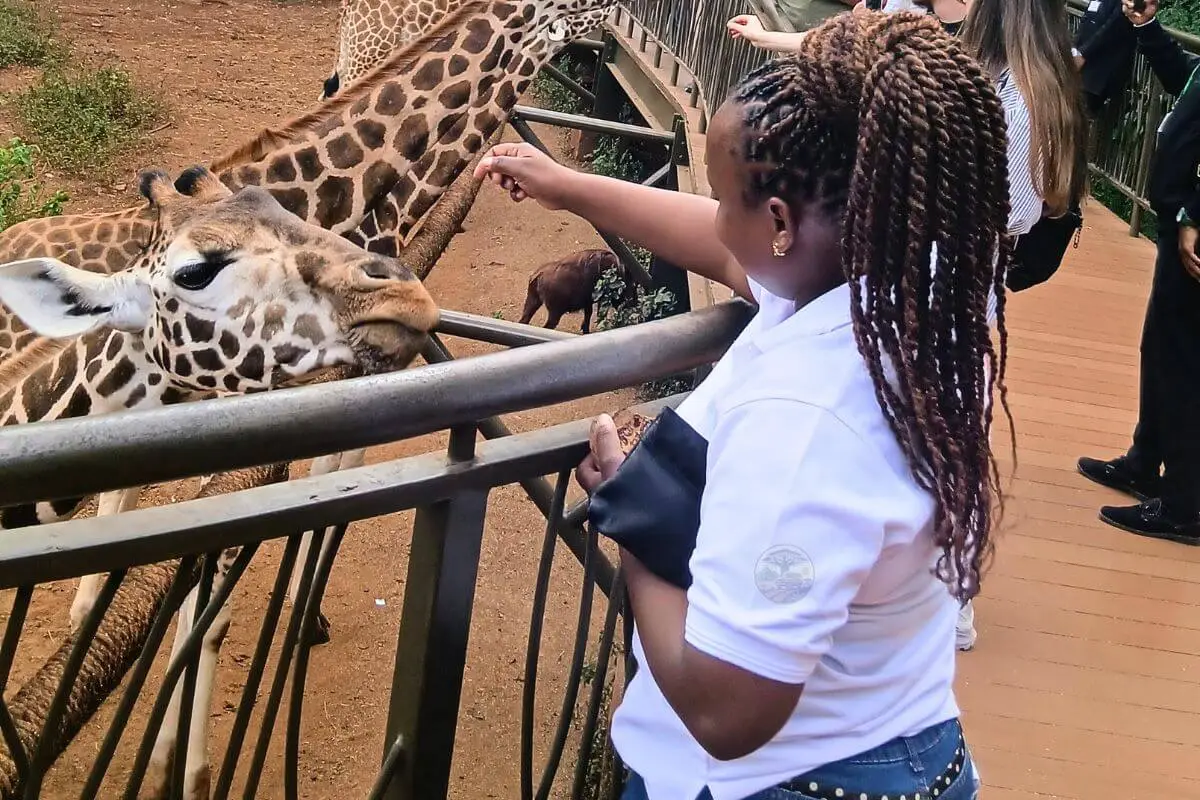
I think the answer to this depends on how you measure value.
If you measure a trip by the number of animals checked off a list, a conservation safari might feel different. In contrast, if you measure it by depth of experience and meaningful access, it becomes something far more rewarding.
Think of it this way:
A traditional safari shows you what exists. In contrast, the best conservation safaris help you understand why it still exists.
What Do You Actually Gain?
What does taking the best conservation safaris get you?
Beyond the incredible photos, this path offers four distinct advantages:
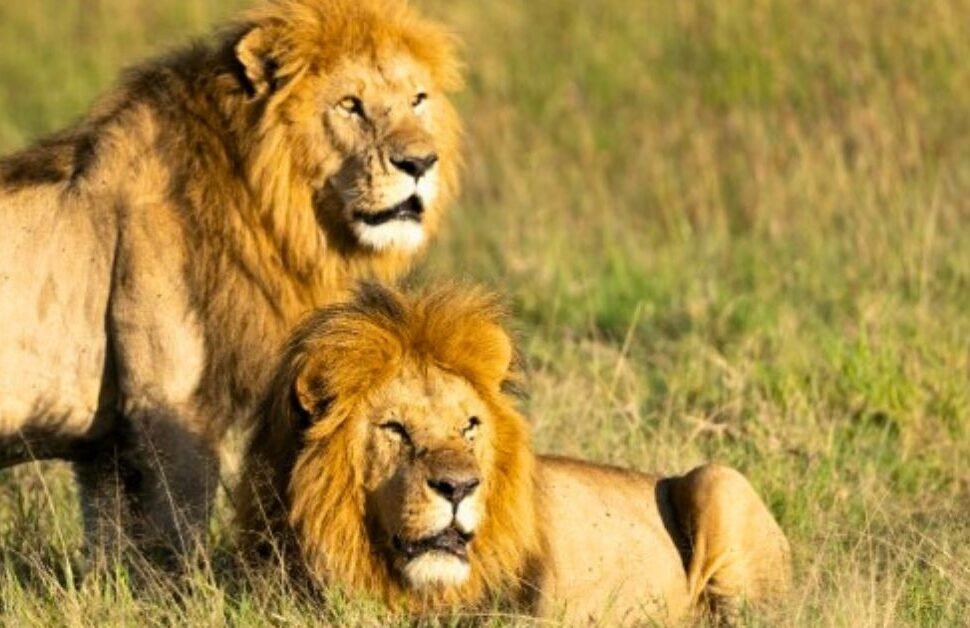
1. Exclusive Access That Most Travelers Never Experience: Instead of following standard tourist routes, travelers move into restricted monitoring zones and private conservancies. This isn’t just about privacy; it’s about a crowd-free connection with nature, where you can sit with a lion pride for an hour without another vehicle in sight or hear directly from the rangers on the ground. These aren’t “tours”; they are real insights.
2. Understanding, Not Just Memories: Over time, you begin to see how an ecosystem actually functions; how humans and wildlife coexist, and why certain species thrive while others struggle. This stays with you long after your tan fades.
3. A Sense of Contribution: One of the biggest worries travelers have is, “Am I just a visitor, or am I helping?” Here, the answer is clear. Your journey directly supports protection and community livelihoods. It doesn’t feel like charity; it feels like participation.
4. A Personal, Slower Pace: These journeys are smaller in scale and more intentional, giving you time to reflect instead of rushing between sightings.
5. Gain a Different Perspective on Travel: This is often the biggest shift. You start to see travel differently. It’s not just something you consume, but something you contribute to. And that perspective does not only apply in Kenya, it also changes how you travel everywhere.
This naturally leads to the most common questions travelers have before choosing the best conservation safaris.
Addressing the Common Concerns
- Will I still see wildlife?: Absolutely. In fact, seeing an animal after learning about the effort required to protect it makes the sighting far more powerful.
- Is it too serious or educational?: Not at all. Curiosity matters more than knowledge. The best guides make these complex systems fascinating and engaging, not dry.
- Is it more expensive?: Sometimes. However, the value lies in the exclusive access and the knowledge that your money is going directly toward landscape survival.
The bottom line is simple: a conservation safari adds meaning to what you experience. It changes how you see travel, not just in Kenya, but wherever you go.
To understand this more clearly, it helps to look at where conservation actually happens.
Where Conservation Safaris in Kenya Actually Happen (And Why It Matters)
One of the biggest misconceptions is that conservation is a single project in a single place. In reality, it is a vast network of landscapes and communities working together.
To really understand this, you must move across these places. Each region reveals a different part of the story, and together they form the foundation of the best conservation safaris in Kenya.
The journey often begins in Nairobi, where conservation is already visible and surprisingly close. Here are some of the locations to include when curating the best conservation safaris in Kenya:
Nairobi: Where the Story Begins
Most safaris start here, but don’t just pass through. In Nairobi, conservation is close, visible, and deeply human.
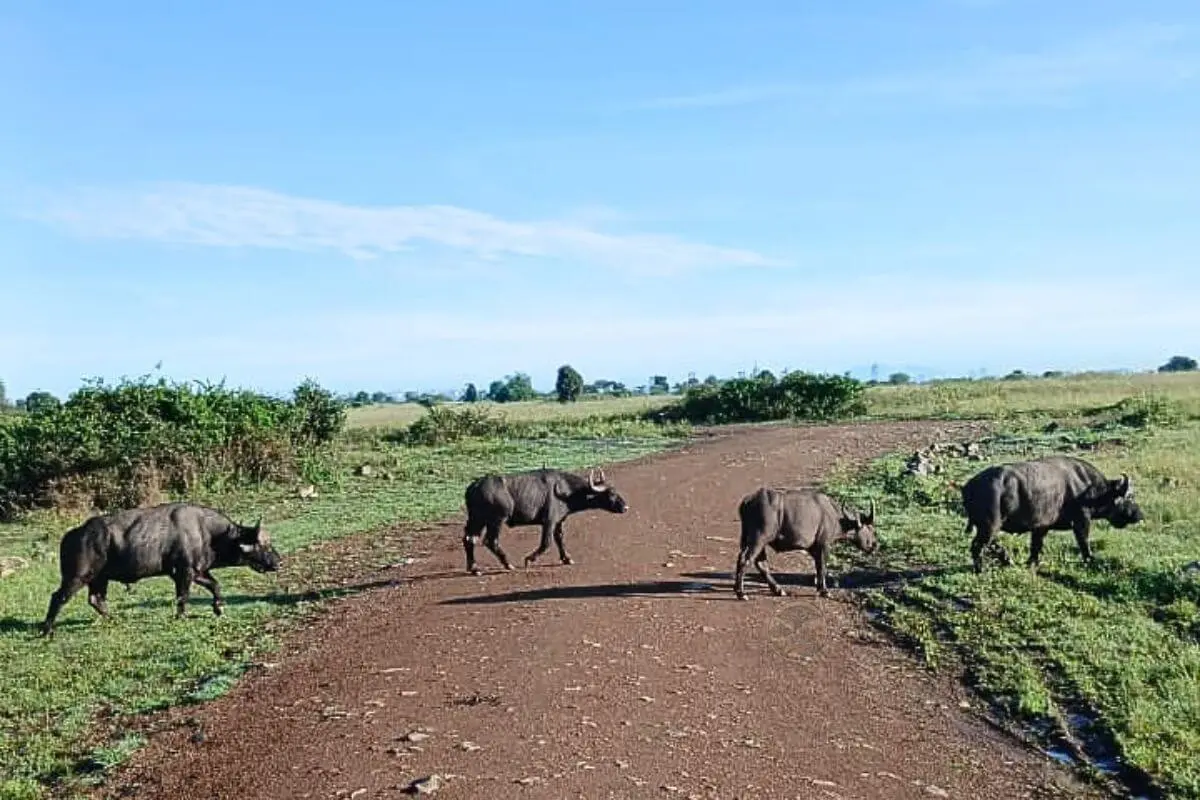
- The Experiences Include:
- Meeting elephant orphans at the Sheldrick Wildlife Trust
- Seeing the endangered Rothschild’s giraffes at the Giraffe Centre
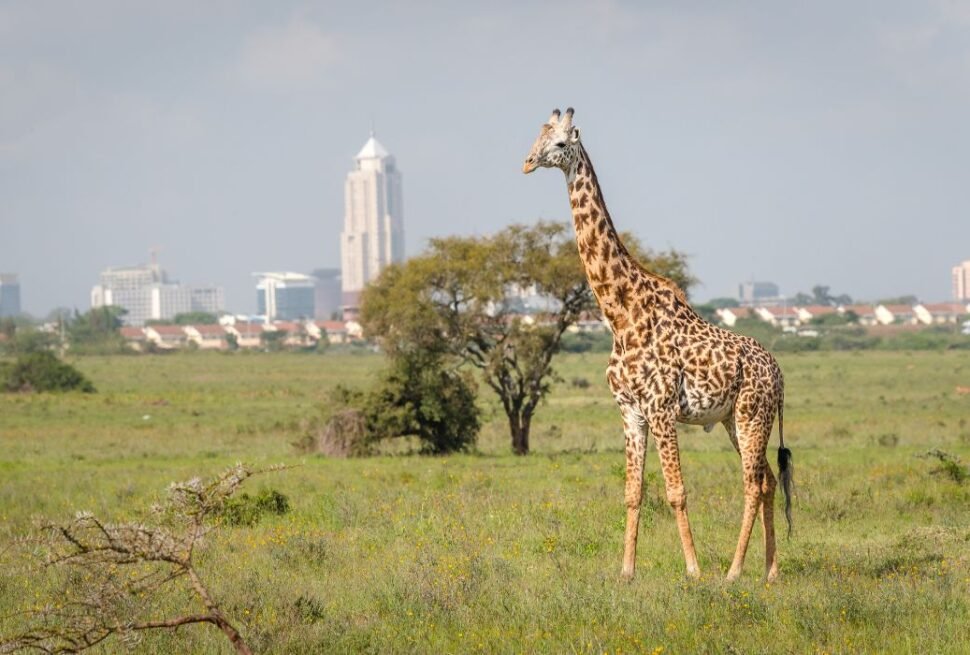
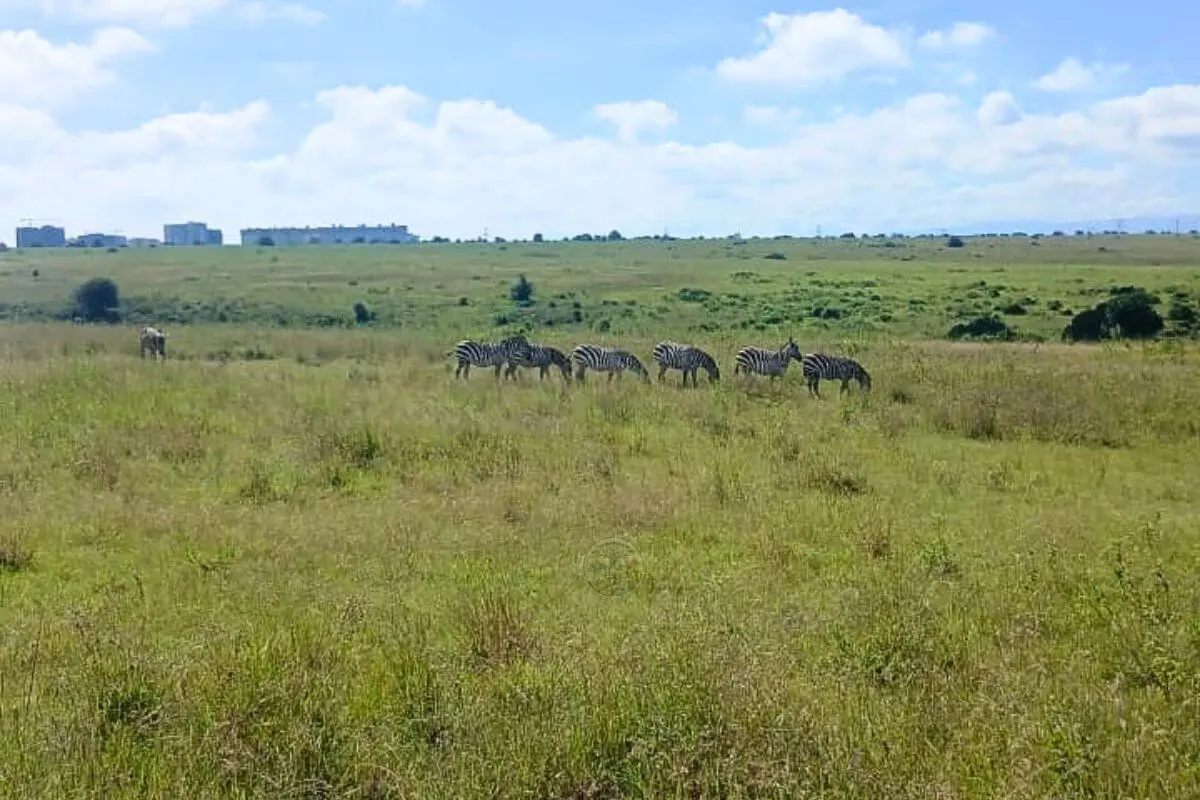
- Taking a game drive inside Nairobi National Park, where wildlife exists alongside a growing city
- The Insight: You learn that conservation isn’t just about remote wilderness. It’s about rescue, rehabilitation, and how wildlife survives alongside a growing city.
These experiences show how early intervention and long-term care shape the future of wildlife. It’s a powerful introduction to everything that follows.
Laikipia: Conservation at Scale
Head north to the high plains of Laikipia, a hub for innovation and scientific research. Laikipia is one of Kenya’s most important conservation regions, with a focus on large-scale protection, science, and innovation.
- The Experiences Include:
- Tracking rhinos with monitoring teams at Ol Pejeta and Lewa Conservancy
- Joining researchers to follow lion prides
- Visiting the Sweetwaters Chimpanzee Sanctuary
- Seeing anti-poaching units and K-9 teams in action
- Night game drives that reveal a different side of the ecosystem
- Silent safaris with minimal environmental impact
- Water-level wildlife viewing
- Cultural visits with the Samburu and Pokot communities
- The Insight: This is where you see conservation as a high-stakes “system.” It’s about using technology and data to protect species across massive, unfenced landscapes.
Northern Kenya: The Heart of Community
Further north, in places like Namunyak, the focus shifts away from institutions and towards local communities.
- The Experiences Include:
- Spending time at Reteti Elephant Sanctuary, the first community-owned sanctuary of its kind,
- Witnessing the ancient tradition of the Singing Wells. (Here, Samburu warriors form human chains to draw water from deep beneath the sand. Each family uses a distinct, rhythmic chant to call their herds. It’s a melody so unique that only their specific cattle recognize it, ensuring every animal drinks in an orderly, musical dance of survival.)
- Watching elephant calves being fed and rehabilitated
- Walking safaris guided by Samburu trackers
- Visiting local schools, healthcare programs, and artisan groups
- The Insight: This answers the most important question: Can conservation work for people and wildlife at the same time? Here, the answer is a visible “Yes.” Communities benefit directly from conservation, wildlife becomes a shared responsibility, and cultural traditions remain part of the ecosystem. This is often the most emotional and transformative part of the journey.
The Maasai Mara Conservancies: Coexistence in Action
The Mara is iconic. However, the real magic happens in the private conservancies. These are community-owned lands where conservation and livelihoods are directly connected. Here, you enjoy crowd-free sanctuaries where wildlife outnumbers vehicles.
- The Experiences Include:
- Wildlife drives in low-density, private conservancies
- Walking safaris and night drives not allowed in the main reserve
- Time with Maasai communities and conservation rangers
- Reforestation and sustainability initiatives
- Optional experiences like aerial conservation monitoring
- Exclusive access to off-road sightings
- Female ranger programs
- The Insight: You see how keeping land open and unfenced allows wildlife to migrate freely while providing a steady, dignified income for the community.
Chyulu Hills & Amboseli: The Future of Restoration
In the shadow of Kilimanjaro, conservation focuses on restoration and long-term recovery.
- The Experiences Include:
- Walking with rangers using real-time monitoring systems
- Learning about reforestation and carbon-offset projects.
- Learning about carbon projects and reforestation initiatives
- Investigating human-wildlife conflict alongside local teams
- Exploring cloud forests and aquifer systems
- Engaging in student or corporate-style conservation programs
- The Insight: This region focuses on climate resilience, regenerative tourism, and long-term environmental impact. It’s about protecting the ecosystem, not just for today, but for generations to come.
Rift Valley & Lake Regions: Gentle Conservation & Ecosystem Awareness
In areas like Lake Naivasha and Crescent Island, conservation takes a quieter form. Here, it’s less about intensity and more about connection.
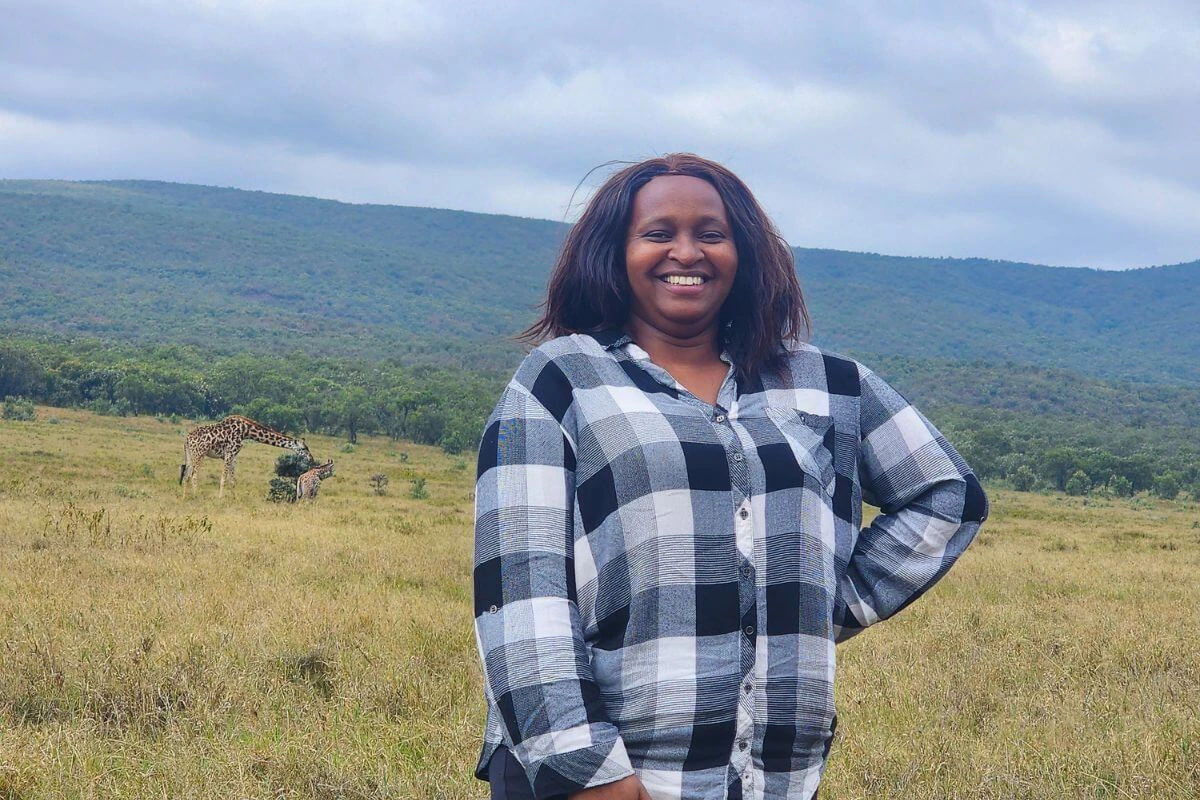
- The Experiences Include:
- Walking among wildlife on Crescent Island
- Birdwatching and ecosystem exploration
- Learning about reforestation and habitat restoration
- Understanding the impact of climate events like rising water levels
- The Insight: These areas show that conservation is not always dramatic. Sometimes it’s about small, consistent efforts, habitat protection, and long-term ecological balance. It offers a slower, more reflective side of conservation travel.
The Kenyan Coast: Restoration in Action
Along Kenya’s coastline, conservation focuses on restoring damaged ecosystems and connecting environmental recovery with community livelihoods.
The Experiences Include:
- Exploring Haller Park, a former quarry transformed into a thriving ecosystem
- Observing giraffes, hippos, and diverse birdlife in a restored landscape
- Visiting butterfly breeding and release programs supporting pollination
- Learning about mangrove restoration and coastal protection projects
- Engaging with turtle conservation and coral reef restoration efforts
- Understanding sustainable livelihoods like beekeeping linked to conservation
- Participating in community-led environmental education initiatives
The Insight: This is where you see conservation as restoration in action; reviving ecosystems while supporting communities through sustainable, nature-based solutions. What makes this region powerful is the connection between economy and ecology. People protect what sustains them, and conservation is not just about wildlife or preserving what exists; it’s about restoring what was almost lost.
Why It Matters: What This Means for Your Safari
When you look at Kenya as a whole, It becomes clear that there is no single conservation experience. Instead, there are layers.
Each region offers a different perspective, model, and connection. When combined, they create a journey that is more complete, meaningful, and memorable.
These areas also show that conservation is not always dramatic. Sometimes it’s about:
- Small, consistent efforts
- Habitat protection
- Long-term ecological balance
How This Shapes Your Itinerary
A truly meaningful safari doesn’t just stay in one place. It connects these regions to build a narrative, and this is exactly how the best conservation safaris are designed. By moving between a community-led sanctuary in the North and a high-tech conservancy in Laikipia, you do four things:
- See wildlife.
- Understand the challenges.
- Feel the connection to the land.
- Reflect on your role in the story.
Pro Tip: Don’t try to see everything. Choose two or three regions that resonate with your interests, whether that’s elephant rescue, rhino protection, or community culture.
What Your Days Look Like on the Best Conservation Safaris
Once you understand the “why” and the “where,” the question becomes: What does this look like on a Tuesday morning?
Forget the rush. A conservation safari has a different heartbeat. It is not about racing from one animal to the next. Instead, it’s a slower, more intentional pace, as every experience builds on the last.
Morning: The Living Landscape
The day begins in the quiet, “blue hour” before sunrise. The air is crisp, carrying the scent of wild sage and damp earth.
- Drives with a Mission: You’ll still head out in a 4×4, but the goal has shifted. You now learn about telemetry receivers and how they help track collared lion prides, or how to spot the subtle ear notches used to identify individual rhinos.
- The Ground Beneath Your Feet: Some mornings, you leave the vehicle behind. On a walking safari, the world shrinks to the details; the “news” written in the dirt, from the drag of a leopard’s tail to the print of a dung beetle.
Midday: The Human Connection
As the heat settles in, the animals retreat to the shade, and so do we. This is when the “behind-the-scenes” magic happens.
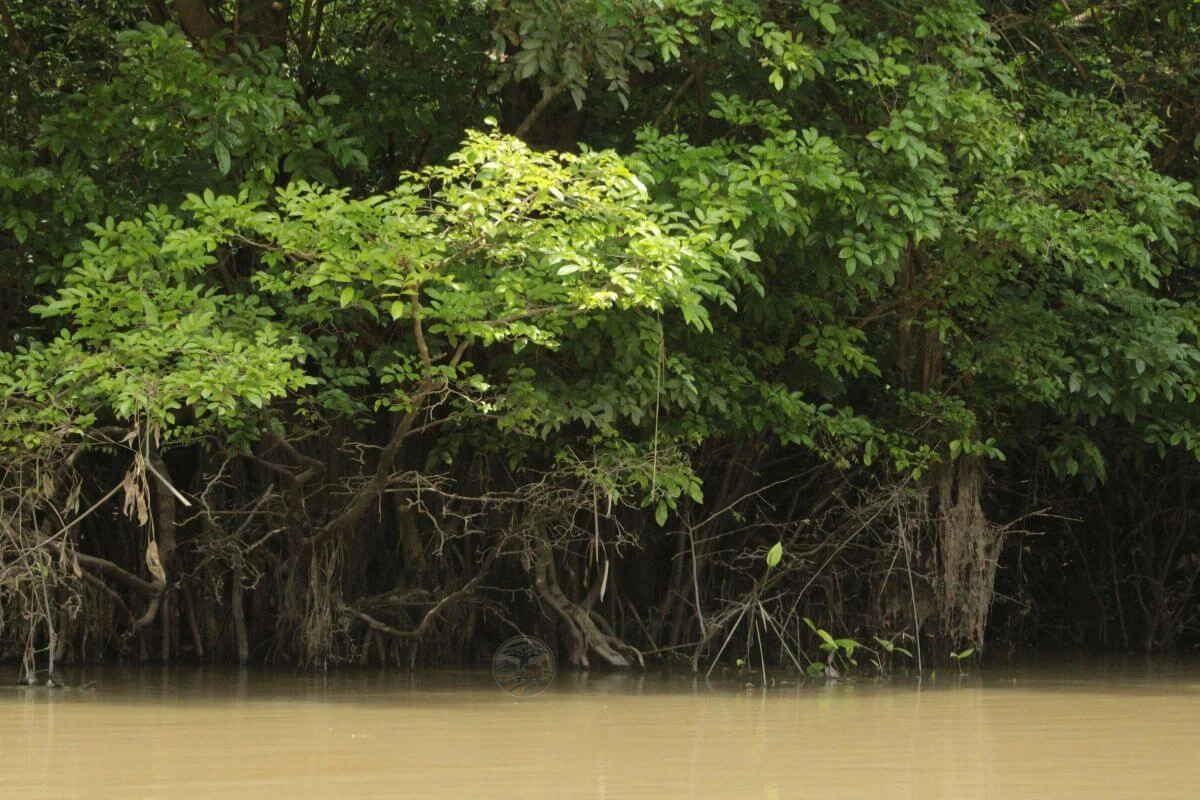
- Real Conversations: These aren’t formal lectures. They are honest talks over a cool drink with rangers, researchers, or community leaders.
- The Heart of the Work: You might stand in the dust of an elephant sanctuary as orphaned calves are bottle-fed, or watch a K-9 anti-poaching unit train in real time. These are not staged moments. They happen as part of daily conservation work. They are quiet, personal experiences that often stay with travelers the longest.
Afternoon: Freedom to Explore
Afternoons are flexible. It’s a time to follow your curiosity or simply let the morning’s lessons sink in.
- Following the Light: You might head back out as the light turns golden, catching the predators as they begin to stir.
- The Wider Circle: Or, you might lean into the human side of the landscape. This could mean visiting a local school, sitting with a group of beadwork artisans, or learning how a community manages the delicate balance of living alongside lions.
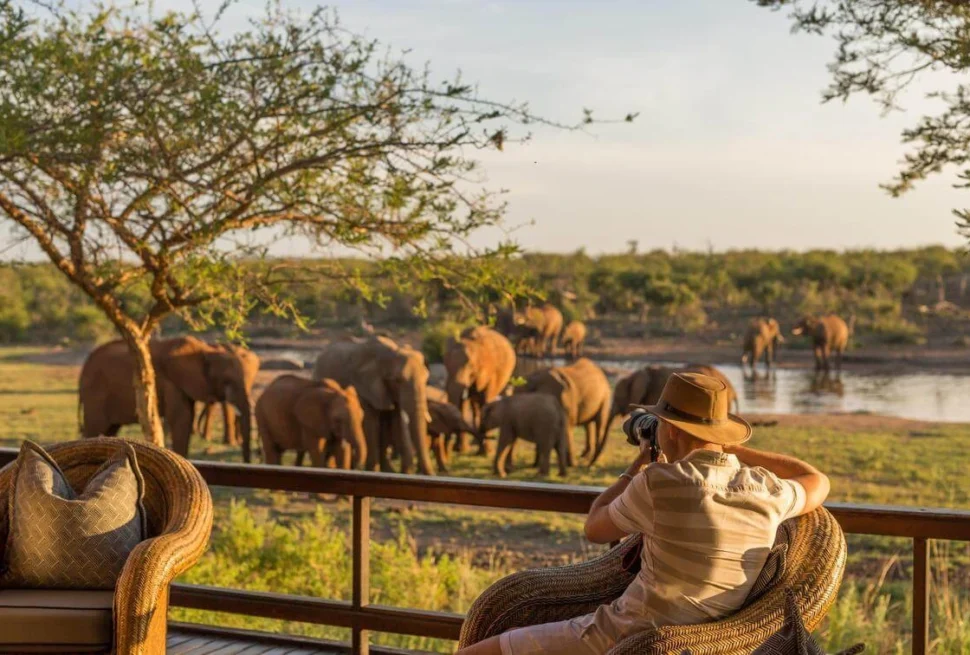
- Space to Breathe: Sometimes, the best choice is a book, a camera, or a chair overlooking a water hole. This “gap” in the day is essential. It’s when you stop being a busy traveler and start truly connecting with the place.
Evening: The Glow of the Fire
As the sky turns violet, the day takes on an emotional weight.
- The Ritual of the Sunset: There is nothing quite like a sundowner where you can stop in the middle of a vast, open landscape to watch the sun disappear. Whether it’s a simple drink or a full dinner under the stars, these moments feel small but stay powerful.
- Fireside Stories: Back at camp, the night ends around a crackling fire. The woodsmoke fills the air, and the conversation flows naturally. This is where you’ll ask the “big” questions, share the day’s best stories, and find your perspective shifting. Sometimes, you just sit in silence, listening to the distant call of a hyena and realizing that the wild feels a little more like home
What Makes These Days Different
When you step back, a pattern emerges.
You Are Not Just Observing: You are participating, even in small ways.
You Are Not Rushing: You are given time to understand.
You Are Not Just Entertained: You are engaged.
A Note on Flexibility: It’s important to note that no two days are identical in the wild, and that’s intentional. Wildlife moves. People’s schedules shift. Opportunities appear unexpectedly. In fact, the best conservation safaris allow space for that, and that’s where the most meaningful moments often happen.
What Travelers Often Say After: Many travelers arrive expecting great wildlife and beautiful landscapes.
They leave with something more:
- A deeper understanding
- A stronger emotional connection
- A new perspective on travel
How to Choose Your Path
Not all safaris are the same, and choosing the right conservation safari requires clarity about your goals.
To find the right fit, start with your intent rather than a destination. Which of these four paths resonates with you?
| Path | Best For… | The Experience |
| 1. Deep Conservation Immersion | The “Hands-On” Traveler | Real understanding of how conservation works, direct exposure to challenges and solutions, a sense of contribution, not just observation |
| 2. Educational & Learning-Focused Safaris | Curious travelers, families, students | Clear understanding without needing prior knowledge; a balanced mix of safari and learning; context behind everything you see |
| Community & Cultural Conservation Journeys | Travelers seeking human connection | A deeper connection to people and place; insight into how conservation supports livelihoods; a more grounded, human experience |
| Flexible Conservation Safaris (Balanced Experience) | First-time conservation travelers | A mix of wildlife, conservation, and relaxation, with optional deeper experiences, and space to choose your level of engagement, |
Addressing the Final Question: “Is it for me?”
Travelers often arrive expecting great wildlife and beautiful landscapes. They leave with something much harder to describe: a new perspective.
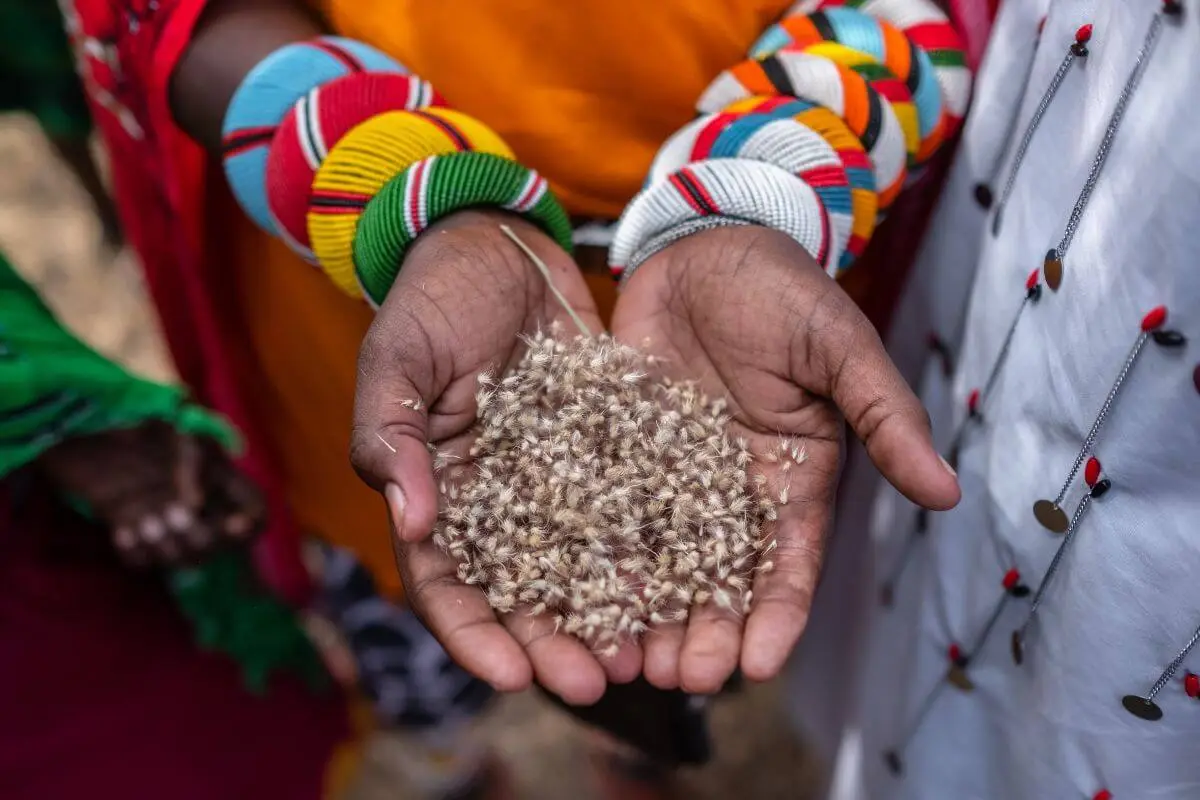
Rather than remaining observers, travelers become engaged participants.
At the same time, the pace slows, allowing for deeper insight.
As a result, the experience goes beyond entertainment and creates a real connection to the survival of the wild.
Key Factors to Guide Your Decision
Once you know your path, use these four filters to refine your choice:
- Level of Involvement: Do you want to observe from a distance or be directly in the field with a research team? Be honest about your comfort level.
- Time Commitment: A 5–7 day trip is a great introduction, but true immersion usually requires 10–14 days to see the “systems” in action.
- Physical Effort: Most safaris are accessible, but some include walking safaris, fieldwork, and outdoor activities. Choose what matches your energy, not what sounds impressive.
- Accommodation: Conservation doesn’t mean sacrificing comfort. From luxury camps to “fly camps” under the stars, the difference isn’t the thread count; it’s the lodge’s mission.
Common Mistake: Don’t choose based only on wildlife density. Depth often comes from fewer, more meaningful interactions rather than “checking off” a hundred animals in a day.
Putting it All Together: The “Guardians of the Wild” Signature Safari
If these regions and models resonate with you, we have designed a journey that connects these stories into one cohesive narrative.
Guardians of the Wild is our signature experience at Offbeat Experiences. It is a deep dive into the systems that keep Kenya wild.
Phase 1: Nairobi – The Context
Your journey begins with a stay that introduces the concept of “lived conservation” by seeing how endangered species like the Rothschild’s giraffe thrive within a protected sanctuary right in the heart of the capital.
Phase 2: Ol Pejeta – The Protectors (3 Nights)
In Laikipia, Ol Pejeta Conservancy, the “Participation” model comes to life.
- The Rhino Story: Meet the keepers of the last two Northern White Rhinos on Earth.
- The Canine Unit: Watch the anti-poaching bloodhound unit operate on the front lines.
- Data in Action: Join researchers to track collared lions, contributing directly to wildlife monitoring.
Phase 3: Namunyak – The Community (5 Nights)
In the remote north, the focus shifts to community-led stewardship at Reteti Elephant Sanctuary.
- The Human Connection: Spend time with the Samburu caretakers raising orphaned calves.
- The Legacy: Experience the ancient “Singing Wells” and visit schools funded entirely by your conservation fees.
Phase 4: Olderkesi – The Future (3 Nights)
The final chapter unfolds in the Olderkesi Conservancy, bordering the Maasai Mara.
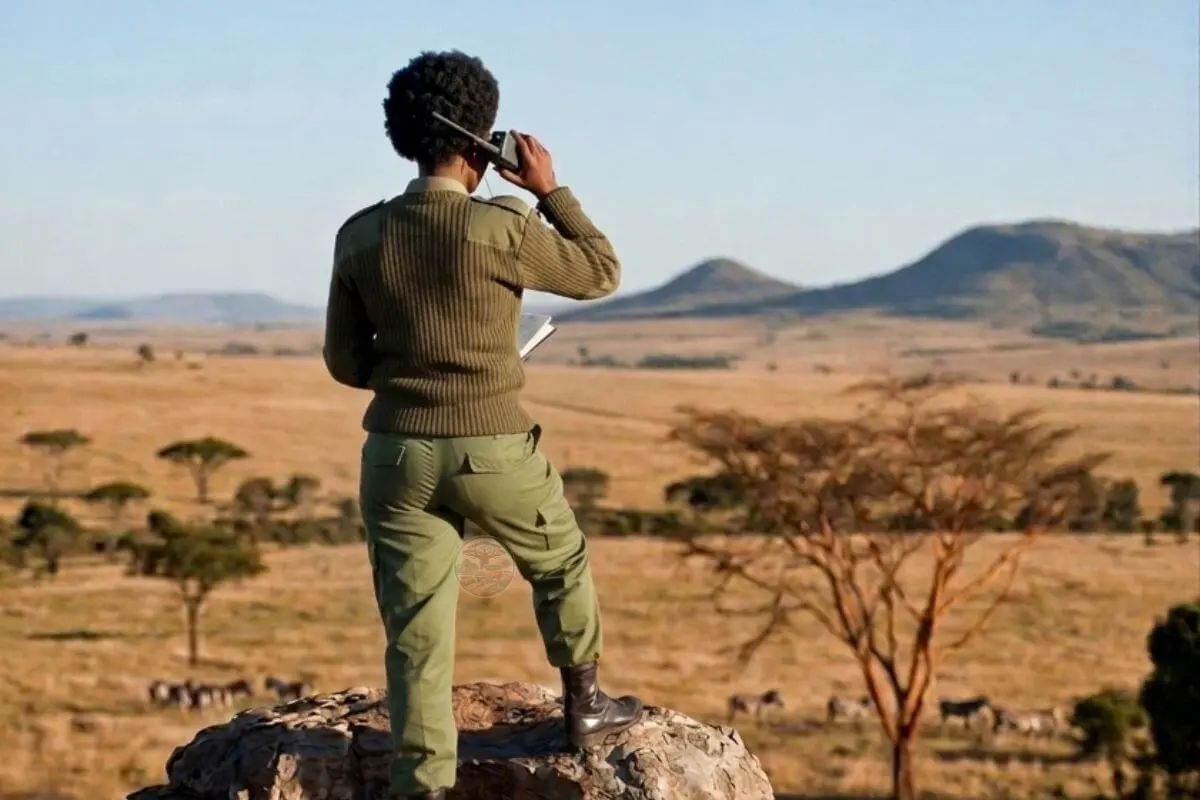
- Female Rangers: Spend time with the women guarding this landscape.
- Sustainable Balance: Participate in reforestation or meet with the Mara Elephant Project to see how technology reduces human-wildlife conflict.
Planning Your Trip: Seasons, Costs, and Ethics
When is the Best Time to Go?
Kenya is a year-round destination, but the “feel” of the landscape changes with the seasons.
- The Dry Seasons (June–Oct | Jan–Feb): This is the classic window. Wildlife gathers around water sources, making tracking easier. It’s ideal for first-timers wanting high visibility and predator action.
- The Green Seasons (Nov | March–May): Expect lush, emerald landscapes and fewer crowds. While it may rain, this is the best time for photography and intimate, quiet encounters.
Important Insight: Conservation doesn’t have an “off-season.” Rangers still track, sanctuaries still operate, and communities still engage. A meaningful experience happens regardless of the weather.
Let’s Talk About Cost: Investment vs. Value
A conservation safari is an investment. However, the best conservation safaris deliver value far beyond the cost. Prices typically range from $500 to $900+ per night for mid-range and can exceed $2,500 for high-end immersion.
These costs generally cover the entire complexity of your journey:
- Seamless Logistics: Transport to and from remote conservancies, game drives, etc.
- Expert Access: Access to conservation activities, meet-ups with rangers, researchers, and top-tier conservationists.
- Premium Hospitality: All meals and accommodation while on the conservation safari.
You are not just paying for accommodation; instead, you fund conservation systems and get exclusive access to massive, private landscapes. This investment ensures a crowd-free experience while directly funding ranger salaries, anti-poaching equipment, veterinary care, and community healthcare. In these landscapes, tourism funds protection.
The Ethics Check: Is it Truly Impactful?
Not every “eco-safari” is what it seems. To ensure your trip is ethical, ask one simple question: “How does my presence here help?”
If the answer is specific, for example: “Your fees fund the K-9 unit” or “This camp is community-owned,” you’re in the right place. Avoid vague “green” claims that don’t offer transparency about where the money goes.
Who Is a Conservation Safari Best For?
You might be wondering: “Is this actually for me?”
While everyone is welcome, this style of travel resonates with those who want their journey to be a contribution. It’s not just about consumption. Here is how it fits different travel styles:
1. Purpose-Driven Travelers & Couples
Ideal for those who want their holiday to have a “soul.” This path is for travelers looking to move beyond the surface and find:
- A Balance of Reflection and Adventure: A deeper layer of meaning to a luxury experience.
- Authentic Stories: The chance to have real, one-on-one conversations with the people living and working in these landscapes.
- Lasting Impact: The knowledge that your visit is directly funding long-term survival systems.
2. Solo Travelers
Traditional safaris can sometimes feel isolating, but conservation-led journeys are inherently grounded and social.
- Connection Over Crowds: You’ll find yourself in intimate settings, making it easy to engage with guides, researchers, and like-minded travelers.
- Shared Mission: The work on the ground becomes a natural conversation starter, removing the “tourist” barrier.
- Personal Growth: It offers a structured yet deeply reflective way to explore remote wilderness on your own terms.
3. Families with “Next-Gen” Conservationists
Best suited for children aged 8 to 10 and older, these journeys turn a holiday into a lifelong lesson in stewardship.
- Real-World Learning: Children see exactly how wildlife biology and community livelihoods intersect.
- Inspiration: Meeting the rangers and caretakers on the front lines inspires a sense of global responsibility that stays with them long after they return home.
4. Corporate Groups & Leadership Retreats
Increasingly popular for organizations that value ESG (Environmental, Social, and Governance) and genuine team building.
- Shared Purpose: Reconnecting teams through a collective contribution to a local project.
- Perspective: Nature offers powerful lessons in resilience, adaptability, and understanding how complex systems work in leadership contexts.
5. Serious Wildlife Enthusiasts & Photographers
If you have “been there, done that” with standard game drives, this is the logical evolution.
- Exclusive Access: You get into restricted zones, like research monitoring areas that are off-limits to the general public.
- Context for the Lens: You aren’t just photographing a rhino; you’re learning its lineage and the specific challenges of its protection.
6. Educational Institutions & Study Abroad Programs
For universities and schools, these landscapes act as a “living laboratory.”
- Academic Immersion: We host groups focused on environmental science, international development, and sustainability.
- Beyond the Textbook: Students engage directly with the complex reality of conservation policy and field research.
Final Thoughts: A Safari That Actually Means Something
At the end of the day, the best conservation safaris are not defined by a checklist of animals or the luxury of a lodge. They are defined by the connection you build with the land and the people guarding it.
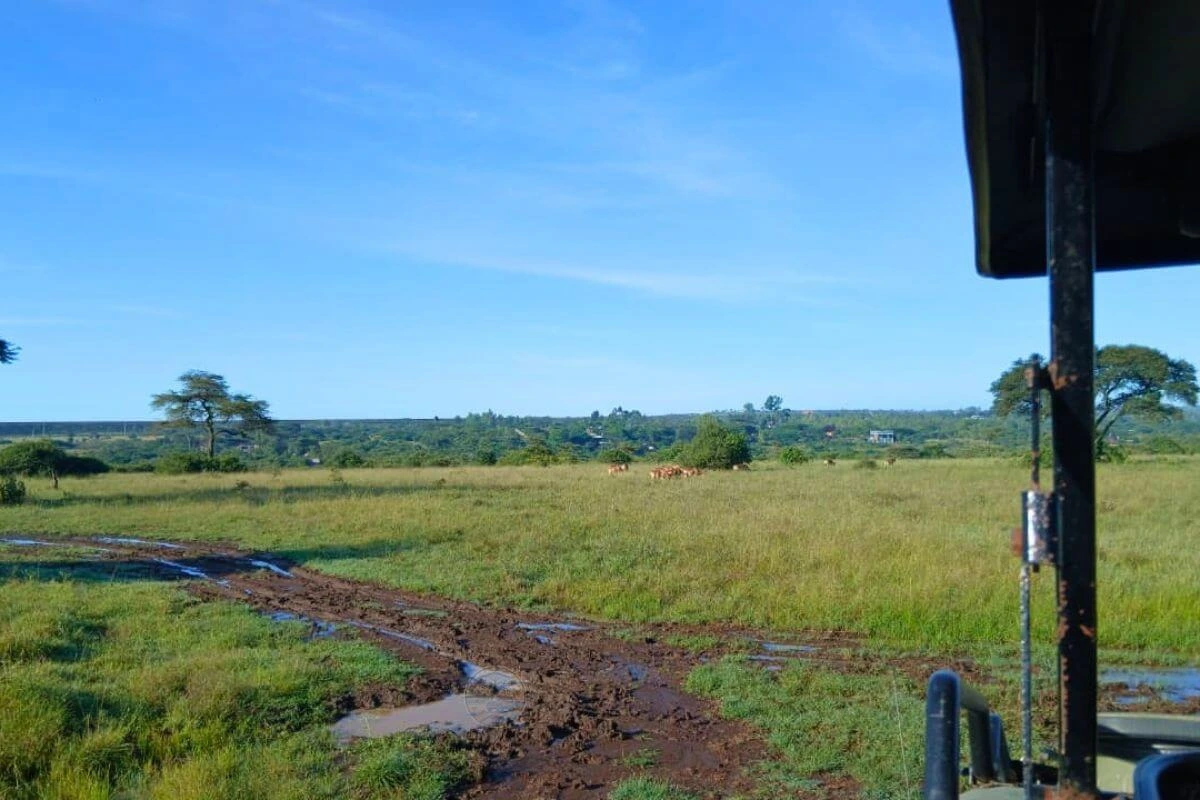
Before you choose an itinerary, ask yourself:
- Do I want to see wildlife, or understand it?
- Do I want a holiday, or a perspective I’ll carry home?
There is no right answer, but there is a right fit. It’s why Kenya stands out because, while here, you are more than a visitor; you become part of the story.
Are You Ready to Travel Differently?
Kenya offers something rare. Through the best conservation safaris, travelers can move beyond being visitors to becoming part of a global success story.
Whether you are looking for deep immersion or a balanced introduction, your choice to travel with purpose ensures these wild spaces remain for generations to follow.