A Quiet Question Many Travelers Don’t Voice
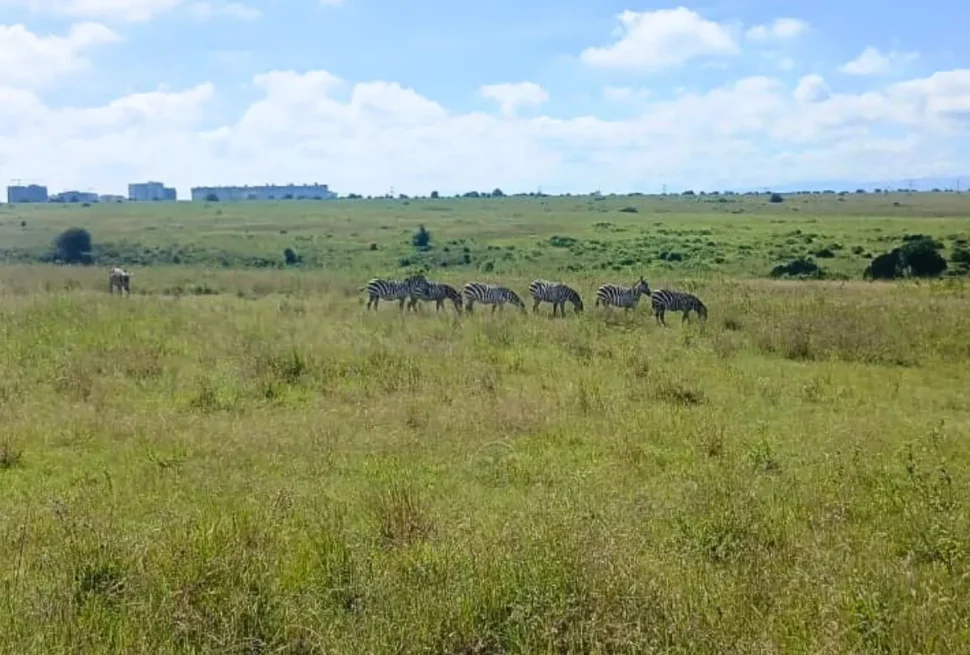
Picture yourself in one of the most extraordinary landscapes on Earth. Wildlife moves quietly across the horizon, and everything appears as it should.
Yet something doesn’t quite settle.
You see the wildlife, move through the landscape, but you don’t fully understand what you’re part of. How is this land protected? Who benefits from your visit? What impact does your presence have?
As a result, you begin to wonder: Is this experience truly connected to this place, or are you simply passing through it?
For many thoughtful travelers, this moment marks the beginning of a different kind of safari.
What Is a Conservation Safari in Kenya, Really?
A conservation safari in Kenya is often described as “sustainable” or “responsible.” However, these terms can feel vague.
In simple terms, a real conservation safari ensures that:
- It actively funds and manages wildlife protection
- It economically involves local communities, rather than merely including them
- It clearly explains how the experience works
More importantly, you are not just observing wildlife; you understand the system that supports the landscape. Ultimately, that system determines whether a safari is meaningful or simply well presented.
How Does a Conservation Safari Actually Work?
To understand this, you need to look beneath the surface.
Much of Kenya’s conservation model relies on conservancies, particularly in regions like the Maasai Mara and Laikipia. These are not just protected areas; instead, they represent structured relationships between land, people, and tourism:
- Local communities own the land
- They lease it for conservation and tourism
- Wildlife, livestock, and people coexist within the same landscape
As a result, conservation does not exist separately from people; instead, they actively drive it. Most importantly, this model allows ecosystems to function beyond the boundaries of national parks.
What This Looks Like in Practice: Reteti Elephant Sanctuary
To understand this more clearly, it helps to step into a real place.
In Northern Kenya, within Namunyak Community Conservancy, the Reteti Elephant Sanctuary offers a different approach to conservation.
Reteti did not emerge from an external organization. Instead, the local Samburu community established it after recognizing that, if managed differently, wildlife could support livelihoods.
Each year, people find orphaned elephant calves across the region, separated from their herds, injured, or left behind after drought or loss. In the past, local communities tried to care for them, often without success. Today, those same communities lead the solution:
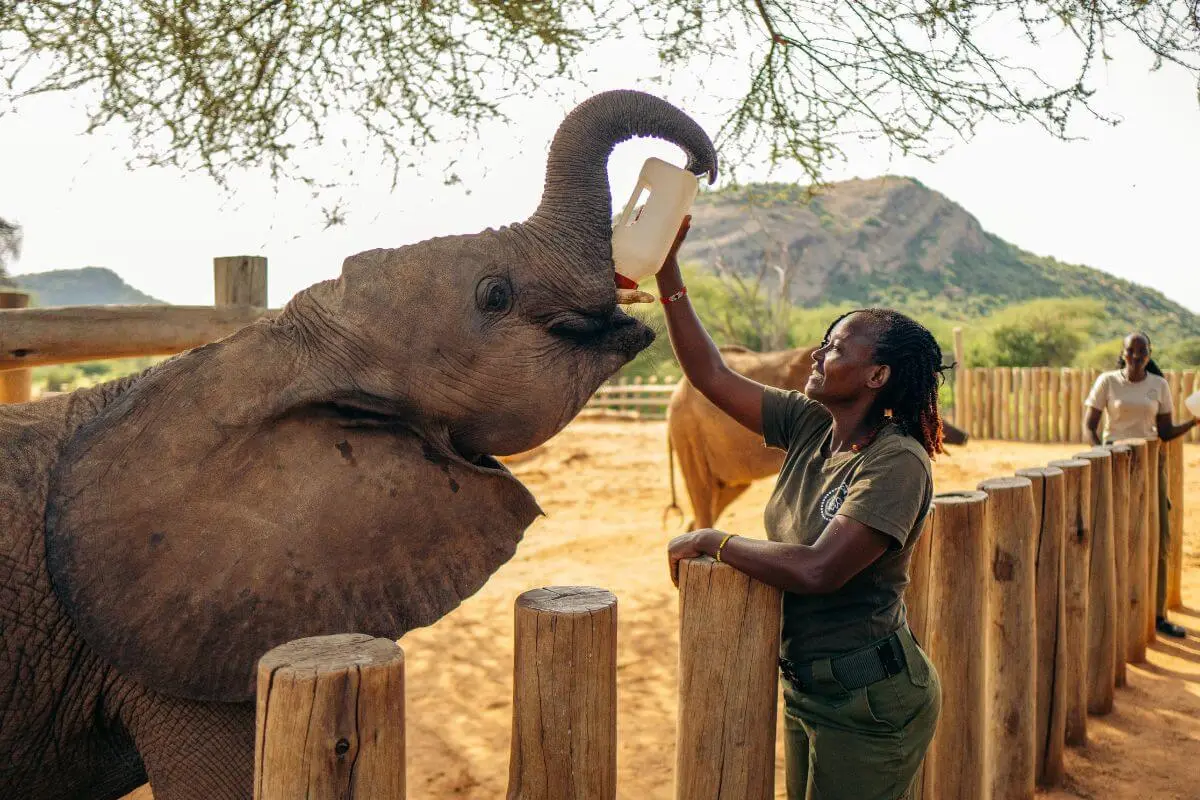
- The sanctuary is community-owned and community-led
- Samburu keepers, trained in elephant care and rehabilitation, manage all operations
- Many of these keepers are women, which is unprecedented in this context
- The team raises calves with the goal of eventually returning them to the wild
However, what stands out is not just the work itself, but the relationship behind it. Care remains constant, patient, and deeply human from night feeds every few hours to daily walks where young elephants slowly relearn how to be wild.
This is not a performance for visitors. Instead, it is a living system that travelers can quietly witness and understand.
A Wider System: Landscapes, Not Isolated Projects
Reteti does not exist in isolation. Rather, it forms part of a broader landscape supported by organizations like the Sarara Foundation, which works across an 850,000-acre conservancy.
Here, conservation includes:
- Restoring degraded land through water retention techniques
- Supporting sustainable grazing practices
- Funding education and mobile healthcare
- Creating alternative livelihoods linked to conservation
As you explore further, you begin to see that conservation is not a single project. Instead, it is a network of decisions across a landscape. When done thoughtfully, tourism becomes part of that system.
What a Thoughtful Conservation Safari Feels Like
If you stay in this region, perhaps at a place like Sarara, your experience may differ from a traditional safari.
For example, you might:
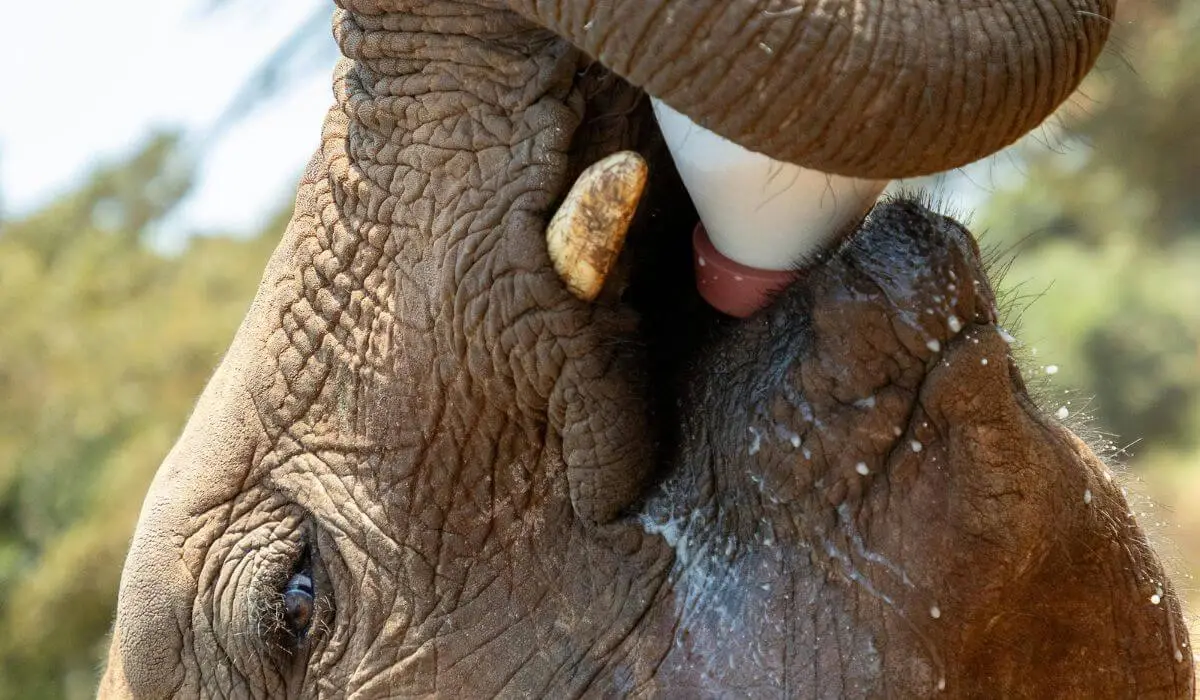
- Spend time at Reteti, watching keepers bottle-feed orphaned elephants
- Walk through the landscape with guides who understand its rhythms
- Visit local schools or healthcare initiatives supported by conservation
- Sit with Samburu communities and learn how they balance land, livestock, and wildlife
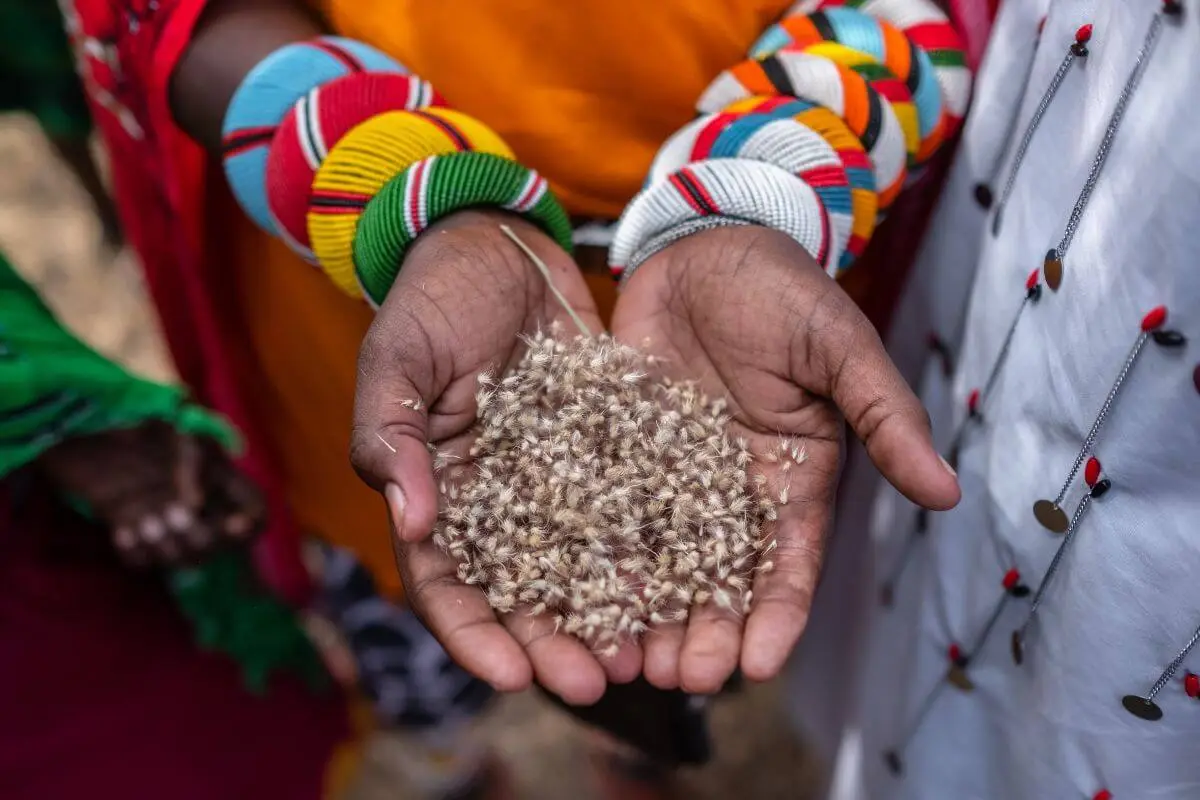
These are not staged experiences. Instead, they offer a window into how life actually works here. As a result, your safari becomes less about what you see and more about what you understand.
Who Benefits From a Conservation Safari?
This is one of the most important and often least clearly answered questions.
In a genuinely conservation-led model:
- Communities receive direct income from land leases and tourism
- Local employment grows, with ownership carrying more weight than jobs alone
- Conservation connects to long-term stability, while revenue supports schools and healthcare
This does not mean the system is perfect. However, conservation here does not exist separately from people’s lives. Instead, it connects directly to them, creating a shared, visible, and evolving system.
How Do You Know If a Safari Is Authentic?
For many travelers, the challenge is not intention but clarity. So, what can you trust?
Here are a few grounded ways to evaluate a conservation safari experience:
Can the impact be explained simply?
If you cannot clearly understand where your money goes, you cannot fully trust the impact.
Are local communities genuinely involved?
Look beyond cultural visits and focus on land ownership, revenue sharing, and long-term partnerships.
Does the experience deepen your understanding?
A meaningful safari goes beyond showing wildlife and helps you understand the systems behind it.
Is there transparency?
You should be able to ask direct questions and receive clear, grounded answers.
These are simple filters. However, travelers often overlook them. That is why places like Reteti stand out—not because they claim perfection, but because they openly show their process.
How to Avoid Greenwashing in Safari Travel
Many thoughtful travelers share a common concern: How do you know this isn’t just good marketing?
A few subtle signals can help:
- Overly simplified claims about “saving wildlife”
- Vague language without clear explanations
- A strong focus on experience, but little detail about structure or impact
In reality, conservation work rarely appears perfect. Instead, people usually describe it with nuance, trade-offs, and ongoing challenges. That honesty often makes it more trustworthy.
The Reality: Conservation Is Complex
It’s important to recognize that conservation in Kenya, and anywhere in the world, remains a work in progress.
There are real pressures:
- Human–wildlife conflict
- Climate impacts on land and water
- Economic dependence on tourism
Therefore, the real question is not whether a safari is perfectly sustainable, but whether it intentionally contributes to a better system.
What a Thoughtful Conservation Safari Feels Like
When you design a safari with intention, the experience begins to change. It becomes less about covering distance and more about building understanding.
For instance, you might:
- Walk with rangers who monitor wildlife movement
- Learn how conservation data shapes decisions on the ground
- Spend time in communities where conservation and livelihoods connect closely
- Move more slowly, visiting fewer places but seeing more clearly
These are not just activities. Instead, they represent deeper ways of engaging with the landscape.
What Role Do You Play as a Traveler?
At this point, the experience becomes more personal.
You are no longer just watching. Instead, you participate quietly but meaningfully through:
- The choices you make
- The places you support
- The level of understanding you seek
As a result, your presence becomes part of the system.
Who Can You Trust When Choosing a Safari in Kenya?
Trust rarely comes from bold claims; instead, it grows from clarity.
Look for operators who:
- Explain their conservation model in simple terms
- Remain transparent about partnerships and financial flows
- Focus on specific landscapes rather than trying to cover everything
- Speak honestly, including about limitations
Trust is not about perfection. Instead, it depends on alignment between what people say and how things actually work.
Designing Travel With Intention
At Offbeat Experiences, this is the approach we are working towards. We design journeys that prioritize:
- Conservation-led landscapes
- Long-term partnerships within specific ecosystems
- Experiences that help travelers understand, not just observe
- Transparency about what we know and what we are still learning
Frequently Asked Questions About Conservation Safaris in Kenya
A real conservation safari in Kenya is an experience where tourism directly supports wildlife protection and local communities. This usually happens through community conservancies, where land is owned locally, and tourism helps fund both conservation and livelihoods.
It is defined by how clearly the system behind the experience works and how transparently it is shared with travelers.
Conservation safaris support wildlife by making natural landscapes economically valuable to protect. In many parts of Kenya, tourism revenue helps fund rangers, protect habitats, and maintain ecosystems where wildlife, livestock, and people coexist.
For example, in places like community conservancies, protecting wildlife is part of the local economy, not separate from it.
In well-structured conservation models, local communities are primary beneficiaries. They often own the land and receive income through tourism leases, employment, and conservation-related initiatives.
Revenue may also support education, healthcare, and infrastructure, depending on the conservancy model.
A safari is more likely to be ethical if it can clearly explain:
How conservation is funded and managed
How local communities are involved economically
Where your money goes
What the real impact of tourism is
Authentic conservation experiences tend to be transparent, specific, and honest about both strengths and limitations.
A national park is typically managed by the government and focuses primarily on wildlife protection within fixed boundaries.
A conservancy is usually community-owned land where wildlife, livestock, and people coexist. Tourism revenue helps fund conservation and supports local livelihoods directly.
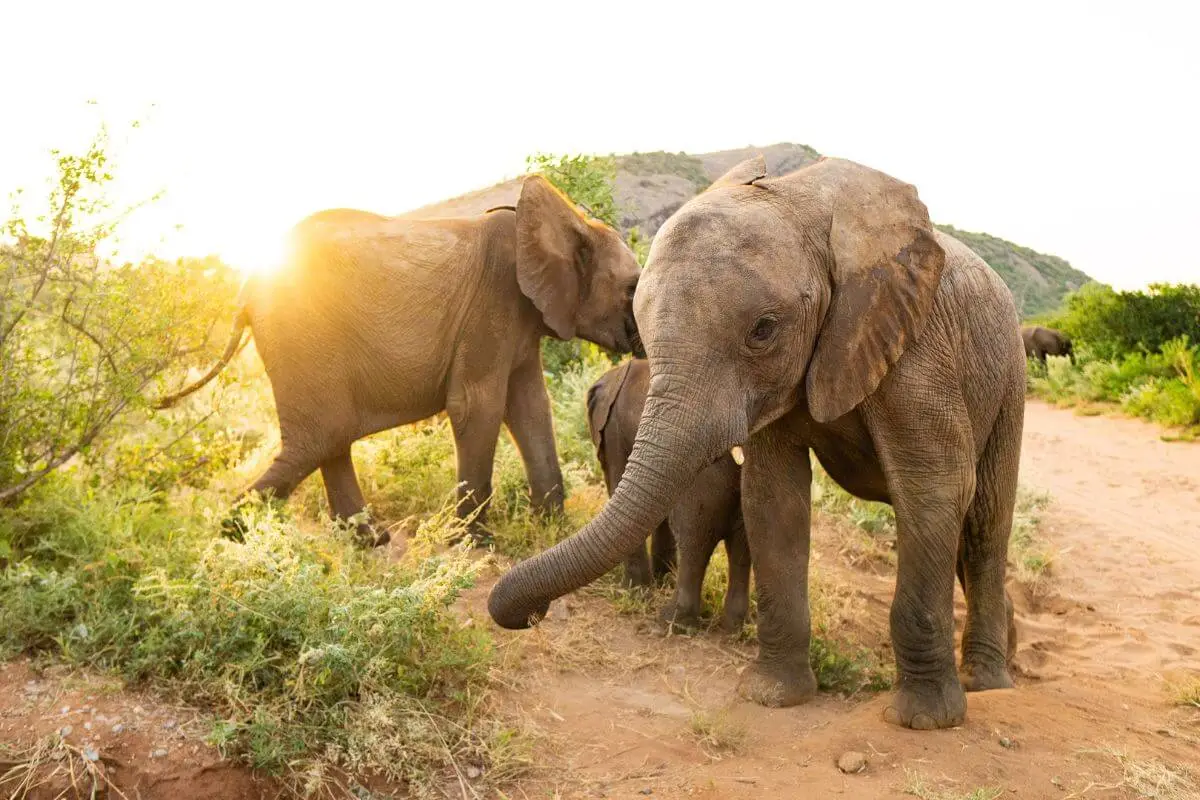
Reteti Elephant Sanctuary is a community-led conservation initiative in Northern Kenya, within the Namunyak Community Conservancy.
It rescues and rehabilitates orphaned elephant calves, many of whom have been separated from their herds due to drought, injury, or natural causes. The sanctuary is fully staffed by Samburu community members, including some of the first female elephant keepers in Africa.
The long-term goal is to care for the elephants until they can safely return to the wild.
Yes. Travelers can visit Reteti as part of a wider conservation-focused itinerary in Northern Kenya. Visits are designed to be educational and respectful, offering insight into how elephant rehabilitation and community-led conservation work in practice.
The experience is not staged entertainment, but an opportunity to observe conservation in action.
Community involvement is essential because most conservation landscapes exist on community-owned land. When local people benefit economically from protecting wildlife, conservation becomes sustainable over time.
This reduces conflict between wildlife and livelihoods and ensures that conservation is supported by the people who live alongside it.
No. Conservation is complex and constantly evolving. Even the most thoughtful models face challenges such as climate pressure, human–wildlife conflict, and economic dependency on tourism.
The key difference is not perfection, but whether there is clear intent, transparency, and long-term commitment to improving outcomes.
Final Reflection
When you look beyond the surface of a safari, something shifts.
The landscape becomes more than a setting. Instead, it becomes a living system of relationships, trade-offs, and quiet interdependence.
As a result, the question changes from:
“What will I see?”
To something more considered:
“What will I understand, and what will I be part of?”
If you’re beginning to think differently about how you travel, you don’t need to have all the answers yet.
But you might want to start asking better questions.
If you’re considering a conservation safari in Kenya and want clarity on where to begin,
we’re always happy to share what we know and where we’re still learning.