Why Kenya Is One of the World’s Best Safari Destinations for Families
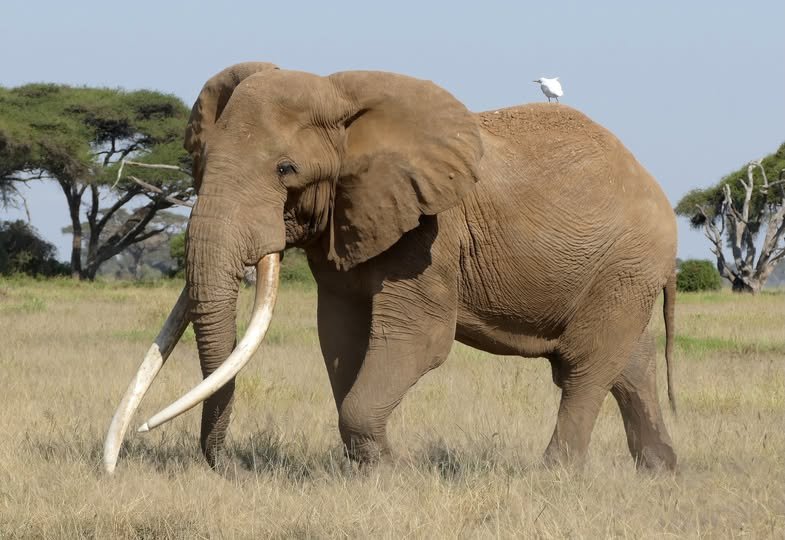
For families seeking a holiday that is both meaningful and unforgettable, a safari in Kenya offers something truly rare. It is an experience where education meets adventure, where children learn directly from nature, and where shared moments replace screens and schedules.
Parents often wonder whether a safari will hold their children’s attention beyond long game drives. In Kenya, the answer is a confident yes. Modern family safaris are thoughtfully designed to engage young travelers through hands-on activities, cultural interactions, conservation programs, and flexible pacing. This kind of schedule makes the journey just as rewarding for children as it is for adults.
In the following sections, this guide explores everything families need to know when planning a safari in Kenya with children. From the best kid-friendly safari experiences and destinations to safety considerations, ideal ages, packing tips, and sample itineraries. Each part of your journey will be addressed step by step.
Why Kenya Works So Well for Family Safaris
Kenya’s safari infrastructure is uniquely suited to families thanks to three key factors:
1. Private Conservancies That Allow More Kid-Friendly Activities
Many of Kenya’s best family experiences take place in private conservancies rather than national parks. These conservancies allow:
- Guided walking safaris
- Night game drives
- Off-road wildlife viewing
- Cultural visits with local communities
This flexibility is essential for keeping children engaged and avoiding overly rigid schedules.
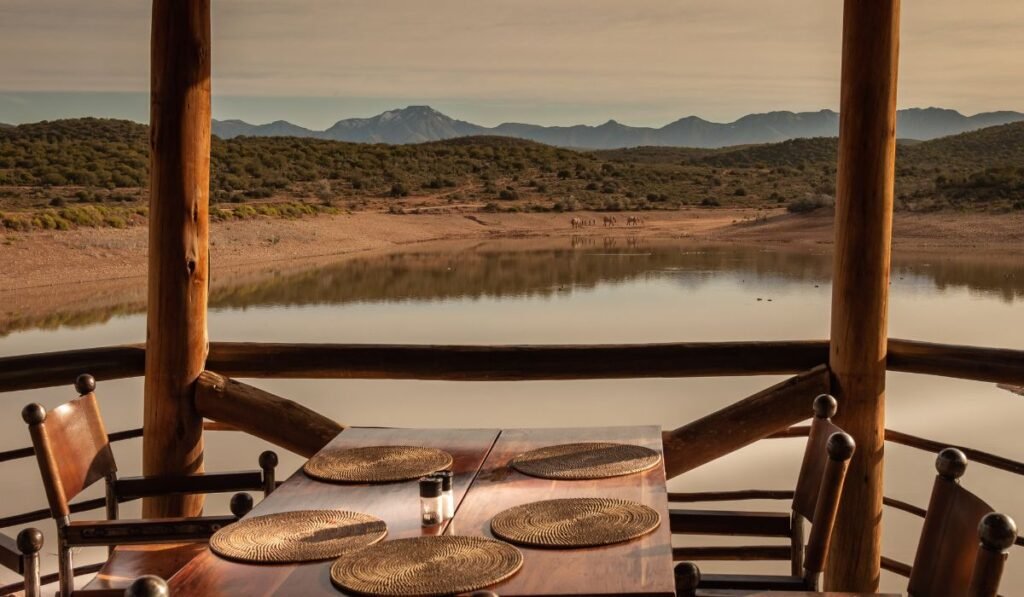
2. Lodges Designed with Families in Mind
Family-friendly lodges in Kenya often provide:
- Interconnecting tents or family suites
- Child-minding services
- Children’s menus and flexible meal times
- Dedicated kids’ programs and activities
- Experienced guides who enjoy working with children
3. Remarkable Wildlife and Cultural Diversity
All of these factors work together to keep children curious and excited throughout the trip, ensuring there’s always something new to discover.
Let’s explore some of the top experiences that make Kenya unique for families.
Top 10 Kid-Friendly Safari Experiences in Kenya (With Locations)
1. Junior Ranger Programs: Learning Through Play
What it is:
A structured, hands-on introduction to the African bush. Children learn how to identify animal tracks, recognize bird calls, understand ecosystems, and participate in simple conservation tasks. Many programs conclude with a certificate or badge.
Where to find it:
- Ol Pejeta Conservancy – Offers a well-developed Junior Ranger Day program.
- Lewa Wildlife Conservancy – Many lodges integrate conservation lessons into family stays.
- Others include the Mount Kenya Trust, Campi Ya Kanzi, Elewana Collection, Solio Lodge, etc.
Best for: Ages 4–14
2. Nairobi’s Wildlife Sanctuaries: A Gentle Introduction
What it is:
Ideal for easing children into safari life or ending the trip on a high note. These encounters are close-up, educational, and emotionally impactful.
Where to find it:
- David Sheldrick Wildlife Trust – Watch orphaned elephants during their daily mud bath.
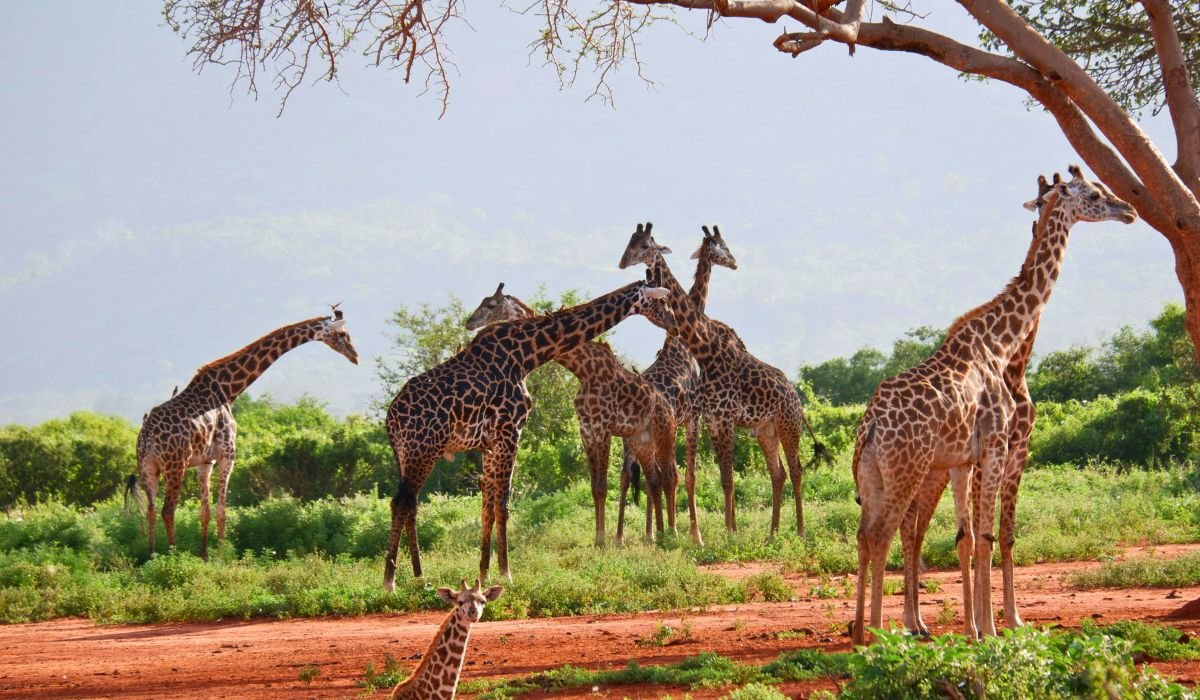
- Giraffe Centre – Feed endangered Rothschild giraffes at eye level.
Best for: All ages
3. Cultural Visits with Maasai & Samburu Communities
What it is:
Respectful visits to local homesteads where children learn beadwork, listen to stories, and understand daily life in pastoral communities.
Where to find it:
- Mara Conservancies – Maasai community visits.
- Samburu Region – Cultural experiences with Samburu communities.
- Chyulu Hills – Cultural experiences with the Maasai community, their traditions, values, and way of life.
Why it matters:
These visits foster cultural awareness and empathy while supporting community-based tourism.
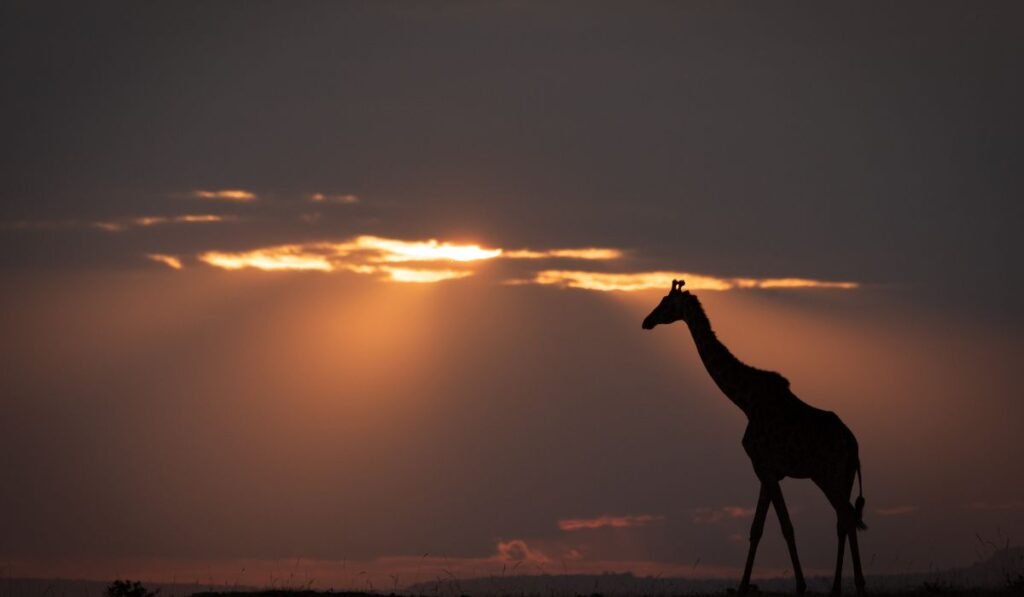
4. Bush Breakfasts & Sundowners
What it is:
Outdoor meals that are set in scenic locations, often following a morning game drive or at sunset.
Where to find it:
Offered at most high-end safari lodges in the Maara, Amboseli, and other locations.
Why kids love it:
Dining in the wild feels adventurous and breaks routine.
5. Guided Nature Walks: Discovering the “Small Five.”
What it is:
Short, guided walks focusing on plants, insects, tracks, and animal behavior.
Where to find it:
- Lewa Wildlife Conservancy
- Ol Pejeta Conservancy
- Mara conservancies (walking is not permitted in national parks)
Best for: Typically, ages 6+ (varies by lodge)
6. Kid-Friendly Horseback & Pony Safaris
What it is:
A quiet way to experience wildlife, often within conservancy boundaries.
Where to find it:
- Borana Conservancy (Laikipia) – Renowned for horseback safaris
- Lewa Wildlife Conservancy – Riding for various skill levels
- Others include – Sanctuary Farm, Sarara, and Borana Conservancy, among others.
Best for: Confident riders, usually ages 10+. Most of these locations also offer patient, easy horses, trained to be careful with children and ponies for little adventurers.
7. Camel Trekking Adventures
What it is:
A slow-paced journey through northern Kenya’s landscapes, often paired with cultural storytelling.
Where to find it:
Some of the locations include Saasab, Lewa Safari Camp, Samburu National Reserve, Tumaren Camp, and others.
Best for: Ages 6+; however, some of these conservancies limit the age to 8+ due to the camel’s height.
8. Conservation Experiences: Inspiring Future Protectors
What it is:
Behind-the-scenes insight into wildlife protection and conservation.
Where to find it:
- Ol Pejeta Conservancy – Northern white rhinos, chimpanzee sanctuary
- Lewa Wildlife Conservancy – Rhino monitoring and community conservation
- Others include– Cottar’s Safaris, Campi ya Kanzi, Elewana Collection, and others.
9. Camp-Based Kid-Friendly Activities & Downtime
What it is:
Creative and relaxing activities during the hottest part of the day.
Where to find it:
- Cottar’s 1920s Camp
- Ol Pejeta Conservancy
- Ololo Safari Lodge and Farm
Kid-friendly activities may include bush baking, crafts, beadwork, spear throwing (targets only), collecting eggs in the farm, milking cows, planting trees, feeding animals, swimming, etc.
10. Hot-Air Balloon Safaris & Stargazing
What it is:
A sunrise balloon flight over the Mara or guided stargazing at night.
Where to find it:
- Balloon safaris: Maasai Mara
- Stargazing: Laikipia and Samburu regions
Best for: Ballooning usually ages 8–12+, depending on the operator and child height.
Choosing the Right Locations for Kid-Friendly Safaris
| Kid-Friendly Experience | What It Involves | Recommended Locations in Kenya | Best For (Ages) |
|---|---|---|---|
| Junior Ranger Programs | Hands-on learning through tracking, bird identification, conservation lessons, and bush skills. Many programs end with a certificate or badge. | Ol Pejeta Conservancy (Junior Ranger Day Program), Lewa Wildlife Conservancy, Mount Kenya Trust, Campi ya Kanzi, Solio Lodge, select Elewana Collection properties | 4–14 |
| Nairobi Wildlife Sanctuaries | Close-up, educational encounters ideal for easing into safari life or ending a trip. | David Sheldrick Wildlife Trust (elephant orphanage), Giraffe Centre (Rothschild giraffes) | All ages |
| Cultural Visits with Maasai & Samburu Communities | Guided visits to local homesteads where children learn beadwork, listen to stories, and understand traditional pastoral life. | Mara Conservancies (Maasai), Samburu Region (Samburu communities), Chyulu Hills (Maasai cultural experiences) | 5+ |
| Bush Breakfasts & Sundowners | Scenic outdoor meals following a game drive or at sunset, often in remote wilderness locations. | Maasai Mara (including conservancies), Amboseli, Laikipia, Lewa, Samburu (offered by most high-end lodges) | All ages |
| Guided Nature Walks (“Small Five” Focus) | Short walks exploring tracks, insects, plants, and animal behavior, led by trained guides. | Lewa Wildlife Conservancy, Ol Pejeta Conservancy, Mara Conservancies (walking not permitted in national parks) | 8+ (varies by lodge) |
| Horseback & Pony Safaris | Quiet, immersive wildlife viewing on horseback; many locations offer ponies and gentle horses for children. | Borana Conservancy (Laikipia), Lewa Wildlife Conservancy, Sanctuary Farm, Sarara, Borana Conservancy | 10+ (younger kids on ponies) |
| Camel Trekking Adventures | Slow-paced camel rides combined with cultural storytelling and exploration of northern Kenya landscapes. | Sasaab, Lewa Safari Camp, Samburu National Reserve, Tumaren Camp, select Laikipia conservancies | 6–8+ (age limits vary) |
| Conservation Experiences | Behind-the-scenes access to conservation efforts, including rhino protection, community programs, and wildlife rehabilitation. | Ol Pejeta Conservancy, Lewa Wildlife Conservancy, Cottar’s Safaris, Campi ya Kanzi, Elewana Collection properties | 7+ |
| Camp-Based Activities & Downtime | Creative and relaxing lodge-based activities during the midday heat. | Cottar’s 1920s Camp, Ol Pejeta Conservancy lodges, Ololo Safari Lodge & Farm | All ages |
| Hot-Air Balloon Safaris & Stargazing | Sunrise balloon flights over wildlife landscapes and guided night sky observation in remote regions. | Balloon Safaris: Maasai Mara Stargazing: Laikipia and Samburu regions | Ballooning: 8–12+ |
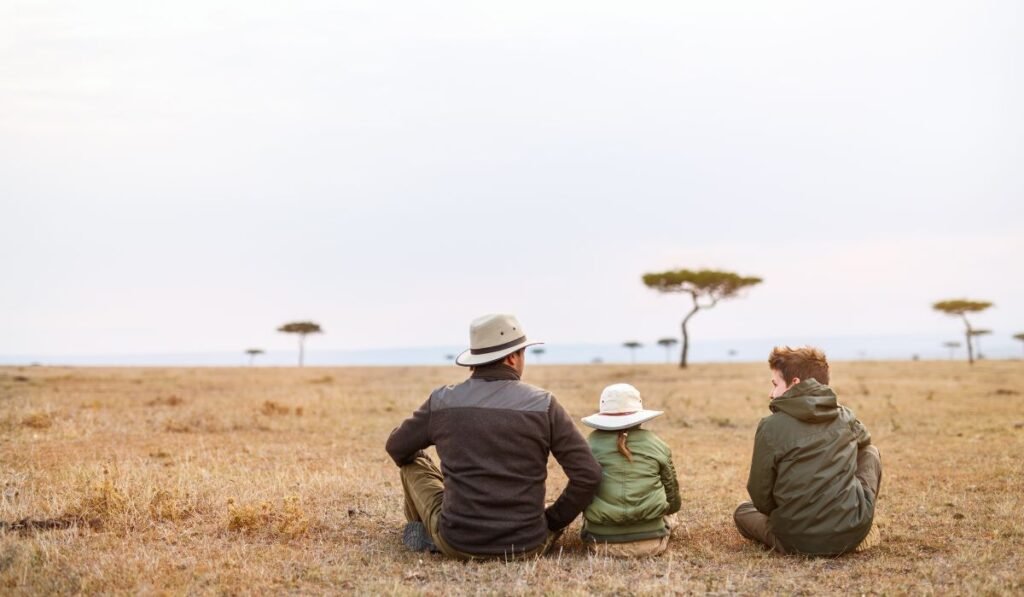
Sample 7-Day Family (Kid-Friendly) Safari Itinerary -Balanced & Realistic
- Day 1 – Nairobi:
- Arrival, Giraffe Centre, elephant orphanage.
- Days 2–3 – Ol Pejeta Conservancy
- Junior Ranger program, rhinos, chimpanzee sanctuary.
- Days 4–5 – Laikipia
- Nature walks, horseback or camel rides, downtime.
- Day 6 – Maasai Mara Conservancy
- Game drive, bush breakfast, and optional balloon safari.
- Day 7 – Departure
- Final game drive and return to Nairobi.
Best Time of Year for a Family Safari in Kenya
- June–October: Best wildlife viewing, cooler temperatures
- December–March: Warm, dry, excellent visibility
- April–May: Fewer crowds, greener landscapes (some camps close)
- All year round, Kenya is an awesome place to travel with kids at any time of the year.
Safety, Health & Practical Considerations for Families
Safety is one of the most common concerns parents have when considering a child-friendly safari, and understandably so. Kenya’s established safari industry emphasizes family safety, particularly in private conservancies and well-managed lodges.
Is Kenya Safe for Children?
Yes, when traveling with reputable lodges, trained guides, and private conservancies that prioritize safety.
Health Considerations
- Consult a travel clinic before departure.
- Follow malaria prophylaxis advice.
- Bring sunscreen, hats, and insect repellent.
- Most lodges have emergency evacuation plans.
How Lodges Keep Children Safe
- Camps are unfenced by design, but staff are trained to monitor wildlife movement always
- Children are escorted after dark
- Clear safety briefings are provided on arrival and reinforced gently throughout the stay
- Guides are highly trained and experienced in working with families
Why Private Conservancies Are Safer for Families
Private conservancies offer:
- Fewer vehicles and less congestion
- More control over where and when activities take place
- The ability to adapt plans quickly if children are tired or uncomfortable
What Parents Can Do
- Follow the guide’s instructions carefully
- Supervise children closely around camp
- Choose lodges with a proven track record of hosting families
- Avoid overly ambitious schedules
When thoughtfully planned, a safari is a controlled, well-managed environment where children can explore safely while learning with respect for wildlife.
Best Safari Experiences by Age Group
Different ages engage with safari experiences, and structuring a trip around your children’s developmental stage makes a significant difference.
Ages 4–6: Gentle Introductions
Best experiences:
- Short game drives
- Lodge-based activities (crafts, baking, pools)
- Cultural visits
- Nairobi sanctuaries
Focus on:
- Comfort
- Routine
- Plenty of downtime
Ages 7–10: The Curious Explorers
Best experiences:
- Junior Ranger programs
- Guided nature walks (short and slow)
- Bush breakfasts
- Conservation talks
This is often the ideal age for first safaris, as children are curious, engaged, and eager to learn.
Ages 11–16: Adventure & Understanding
Best experiences:
- Longer game drives
- Horseback or camel riding
- Hot-air balloon safaris
- In-depth conservation activities
Older children often gain a deeper understanding of conservation, culture, and ecosystems, making the experience particularly meaningful.
Packing for a Family Safari: Explained
Packing well can make or break a family safari. Comfort, practicality, and preparation are key.
Essentials for Children
- Neutral-colored clothing (khaki, beige, olive)
- Comfortable walking shoes
- Wide-brim hat
- Sunscreen and lip balm
- Insect repellent
- Lightweight fleece or jacket
Helpful Extras for Younger Children
- Favorite comfort item
- Small backpack
- Travel games or books
- Snacks for long transfers
For Older Children & Teens
- A camera or a smartphone with a zoom lens
- Journal for wildlife sightings
- Binoculars
- Power bank
Most lodges provide laundry services, so packing light is encouraged.
What a Family Safari in Kenya Looks Like: Step by Step
Understanding the rhythm of a safari helps parents feel confident before arrival.
Step 1: Arrival & Orientation
After arrival in Nairobi or at the lodge airstrip, families receive a safety briefing and meet their guide.
Step 2: Settling into Safari Life
The first game drives are often shorter, allowing children to adjust to early mornings and new surroundings.
Step 3: Mid-Trip Balance
As children become more comfortable, activities expand to include walks, cultural visits, or ranger programs, balanced with downtime.
Step 4: Peak Experiences
Signature moments like bush breakfasts, balloon flights, or conservation visits usually take place mid-trip when everyone is settled.
Step 5: Wind-Down & Reflection
The final days are relaxed, giving families time to reflect, enjoy last sightings, and say farewell to the bush.
Frequently Asked Questions (FAQ) on Kid-Friendly Safaris in Kenya
What is the best age for a safari?
Children aged 6–8+ engage most fully, but many lodges welcome younger children.
Are game drives too long for kids?
Private guides allow shorter, flexible drives tailored to children’s attention spans.
Should we fly or drive between parks?
Short domestic flights reduce travel fatigue and save time.
Will kids get bored?
With varied activities, downtime, and flexible pacing, most children remain highly engaged.
Conclusion: A Safari That Grows with Your Family
A family safari in Kenya is more than a vacation. It’s an experience that shapes perspective, builds curiosity, and creates lasting memories. When thoughtfully planned, it balances adventure with comfort, learning with fun, and structure with flexibility.
With the right destinations, lodges, and experiences, a safari becomes one of the most enriching family journeys you can take.