Craig the Elephant: A Lesson in Ethical Safaris and Long-Term Conservation in Kenya
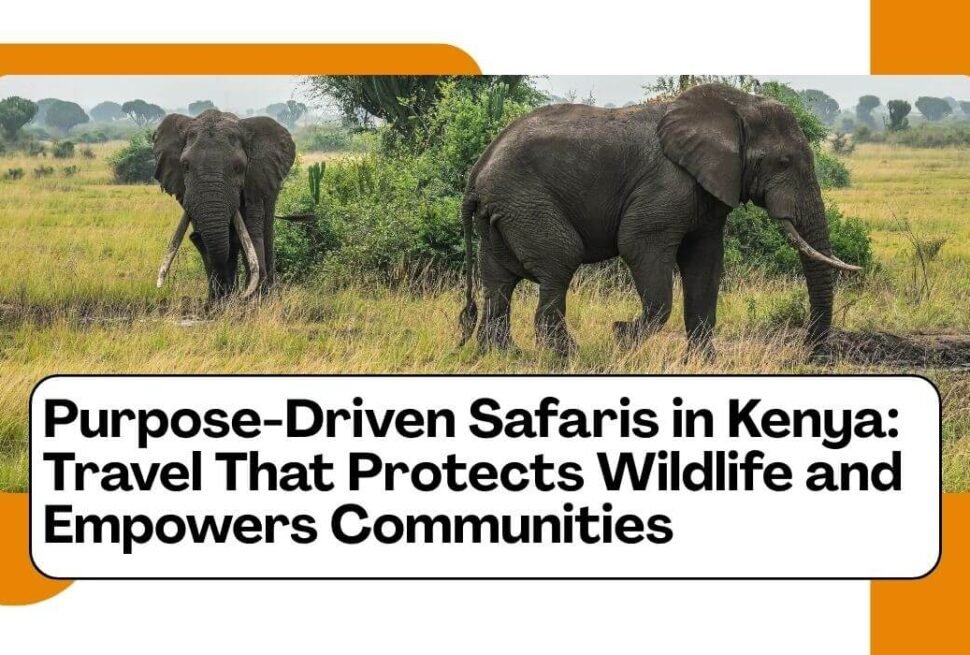
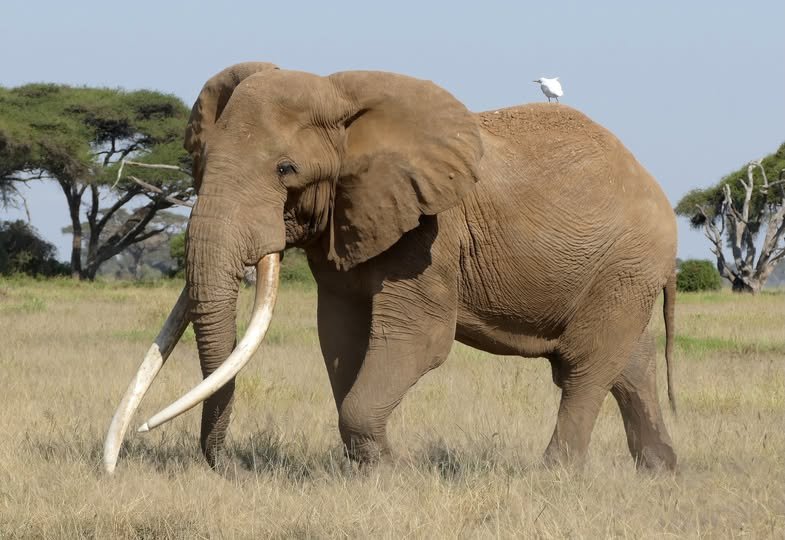
Imagine an elephant so old and powerful that his tusks nearly brushed the earth with every step.
That elephant was Craig.
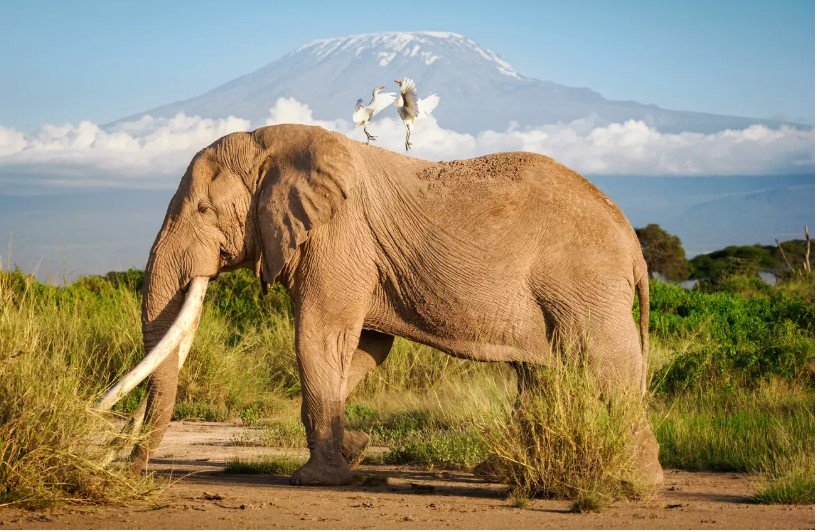
Craig the Elephant did not command attention through aggression or display. He earned it through presence alone. He moved slowly and deliberately across the Amboseli plains, as though time itself had learned to match his pace. He was calm, grounded, and entirely at home in a landscape he had known for decades.
His story is not only about a rare elephant; it’s about what becomes possible when conservation is patient, ethical, and allowed to work across generations. For travelers seeking more than a checklist safari, Craig’s life offers a meaningful place to begin.
The Amboseli Landscape: Where Time and Protection Intersect
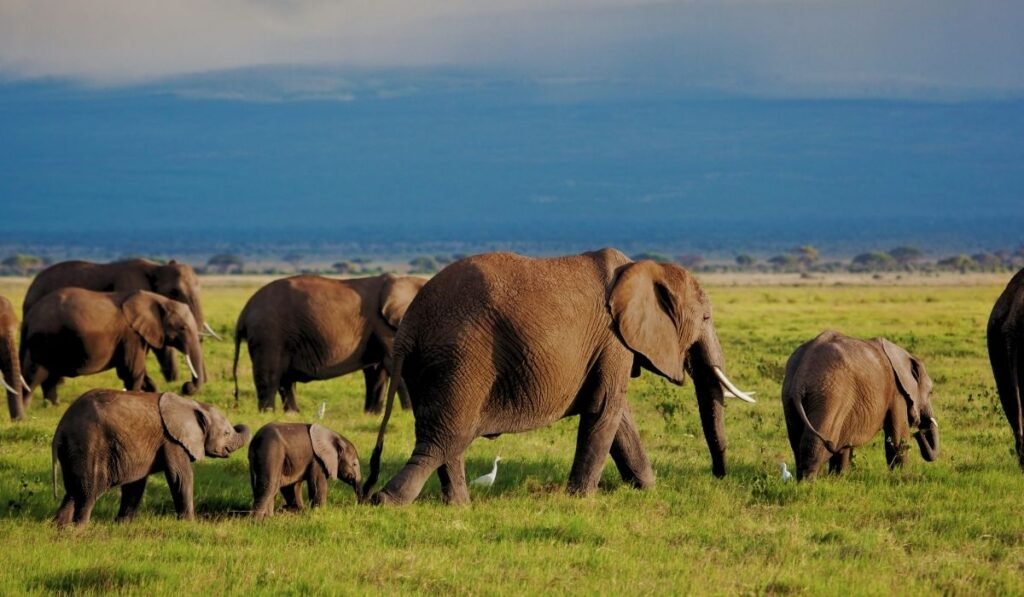
Craig spent his entire life within Kenya’s Amboseli ecosystem, a sweeping mosaic of open savannahs and seasonal swamps set beneath Mount Kilimanjaro’s snow-capped silhouette.
Amboseli is globally respected for hosting one of the longest-running elephant research projects in the world, led by the Amboseli Trust for Elephants. Here, elephants are not anonymous. They are known, identified, tracked, and studied across generations.
This continuity matters.
Craig survived not because of chance, but because the land, long-term scientific research, and vigilant protection worked together to sustain him.
Why Super Tuskers Like Craig Are So Rare
Craig belonged to an almost mythical category of elephants known as super tuskers. These are bulls whose ivory grows so long that it may touch the ground.
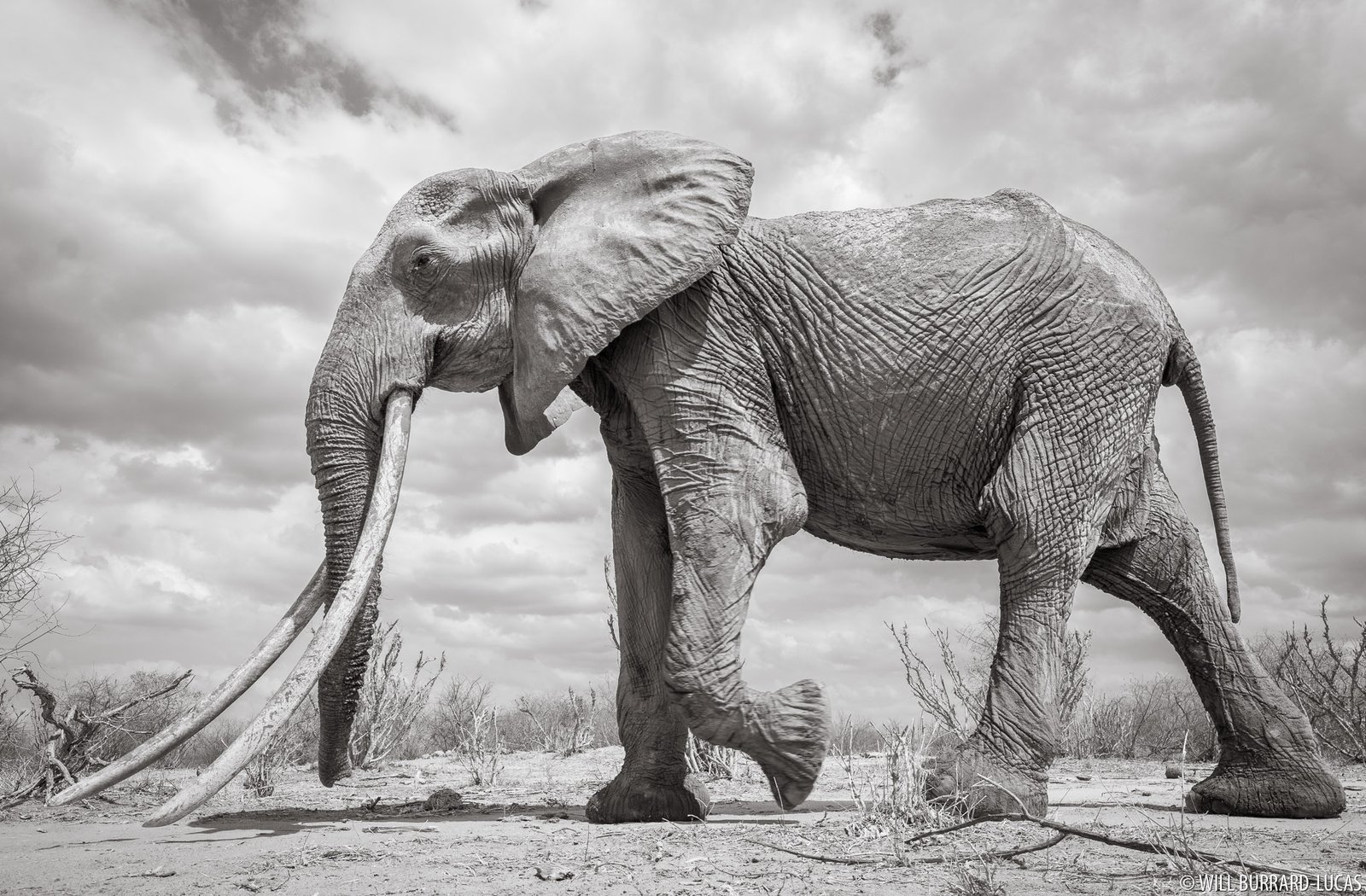
A century ago, Africa had far more elephants like him. Then came decades of intense ivory poaching.
By targeting the largest tusks, poachers did not simply kill elephants. They removed critical genetic traits from entire populations. Today, only a handful of super tuskers remain across the continent.
Seeing one is not random luck. It is evidence of sustained, long-term protection.
Craig’s tusks symbolized both loss and resilience. They serve as a reminder of what was taken and of what careful conservation can still preserve.
The Invisible Work Behind an Elephant’s Long Life
Craig’s story is inseparable from the quiet and often unseen work of conservation. Success in places like Amboseli is built through consistency rather than spectacle.
This work includes:
- Anti-poaching patrols and community scout networks
- Long-term wildlife monitoring and research
- Human-wildlife coexistence programs with local communities
When conservation succeeds, the outcome is subtle and invaluable, as an elephant is allowed to die of old age.
As ecosystem engineers, elephants shape landscapes, disperse seeds, and create pathways for countless other species. Protecting one elephant helps protect many.
A Natural Ending: Why Craig’s Death Matters
Craig did not die from poaching or human conflict.
He died from old age.
An elephant’s lifespan is ultimately limited by its teeth. When molars wear down, feeding becomes impossible. Remarkably, very few wild elephants ever reach this natural conclusion.
Craig did.
His peaceful passing marked not tragedy, but completion. It was a full life lived as nature intended. In conservation terms, that is success.
From Sightings to Understanding: Rethinking the Safari Experience
The sense of wonder experienced on a safari is real and valid.
Understanding, however, transforms it.
In Amboseli, experienced guides explain:
- Why elephants gather in certain swamps
- How drought reshapes movement patterns
- What the presence of an old bull reveals about ecosystem health
- And so much more. You can learn a lot, and become part of the safari with an experienced guide, ranger, or conservationist.
Having this knowledge and experiencing conservation firsthand deepens the magic of a safari. It transforms observation into connection.
A Legacy Written in Time, Not Ivory
Craig will be remembered for his magnificent tusks. However, his true legacy is quieter and far more powerful.
He proved that when conservation is consistent, communities are involved, wildlife is given time, nature is respected, and ecosystems endure.
For travelers, his story invites a slower and more thoughtful way of seeing, rooted in respect, curiosity, and gratitude for the long work behind every wild moment.
Frequently Asked Questions: Craig the Elephant and Ethical Safaris
Who was Craig the Elephant?
Craig was a legendary super tusker who lived a long and protected life in Amboseli National Park. He became a symbol of successful long-term conservation in Kenya.
Why are super tuskers so rare today?
Decades of ivory poaching targeted elephants with the largest tusks, drastically reducing their numbers and altering population genetics.
Can a safari still be meaningful without seeing a super tusker?
Absolutely. Healthy ecosystems are defined by thriving families that include calves, matriarchs, and mature bulls.
How does my travel choice support conservation?
Ethical safari fees fund park protection, support local livelihoods, reduce human-wildlife conflict, and sustain research and anti-poaching programs.
What is the most important principle of ethical wildlife encounters?
Respect for distance, animal behavior, and the long-term work of the communities and conservationists protecting these landscapes.